STEEPING · 100 GUIDES
One hundred teas, one guide at a time.
Oxidation, region, steep — from tea-research institute data.
Editor’s picks
No matches
Try a shorter term, or browse the trending picks above.
Tea guides
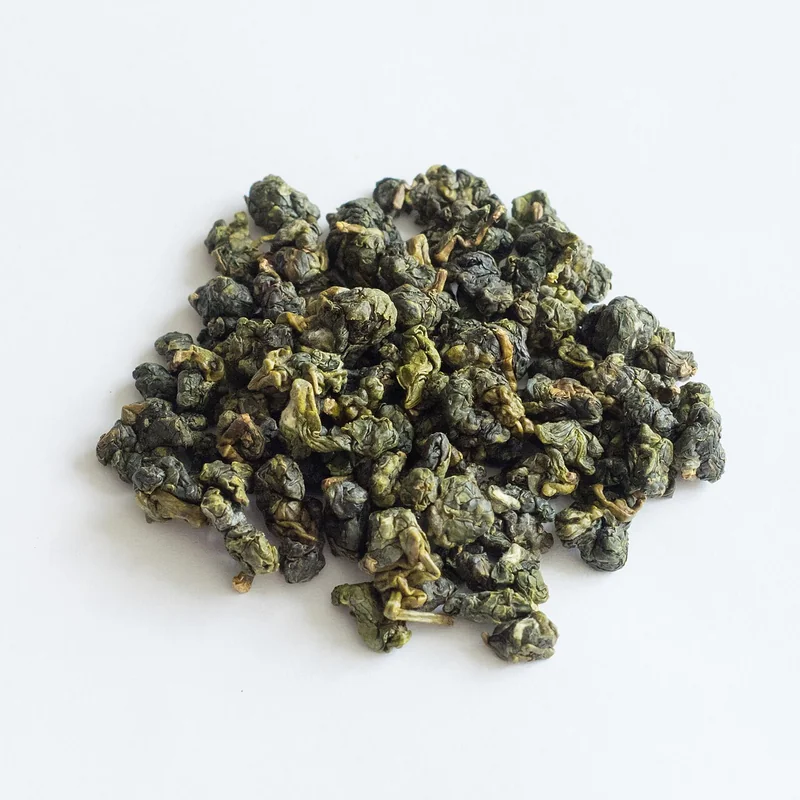
Alishan Oolong
Taiwan's beloved high-mountain oolong from the Alishan range — creamy, floral, and bright green, produced above 1000
- Oxidation
- Partial · 20–80%
- Origin
- Alishan mountain range, Chiayi County, Taiwan
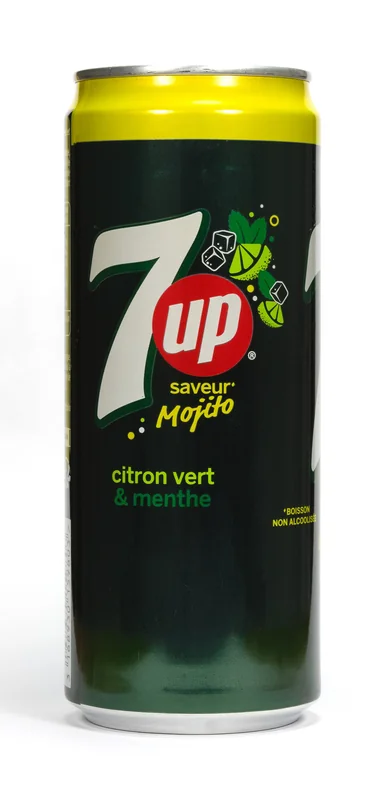
American Sweet Tea
The American South's iced black tea — brewed hot, sweetened while hot to maximise sugar dissolution, and served over
- Oxidation
- —
- Origin
- —
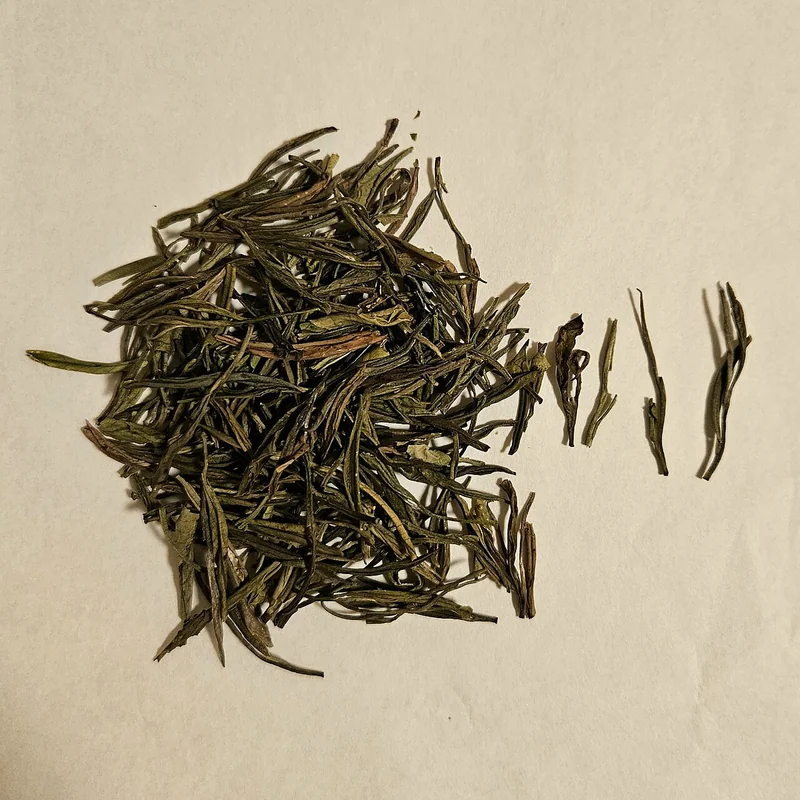
Anji Bai Cha
A Zhejiang green tea from a white-leaf cultivar — almost white leaves turn vivid green at harvest, producing
- Oxidation
- Light · 10–15%
- Origin
- Anji County, Zhejiang Province, China
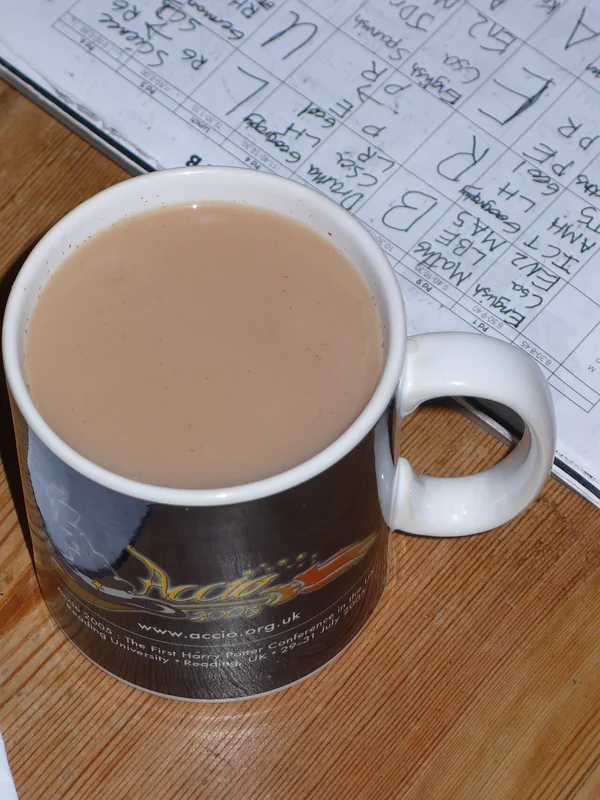
Assam
India's most productive tea region — full-bodied, malty black teas from the Brahmaputra valley's lowland gardens.
- Oxidation
- Full · 100%
- Origin
- India (Brahmaputra Valley, Assam State)
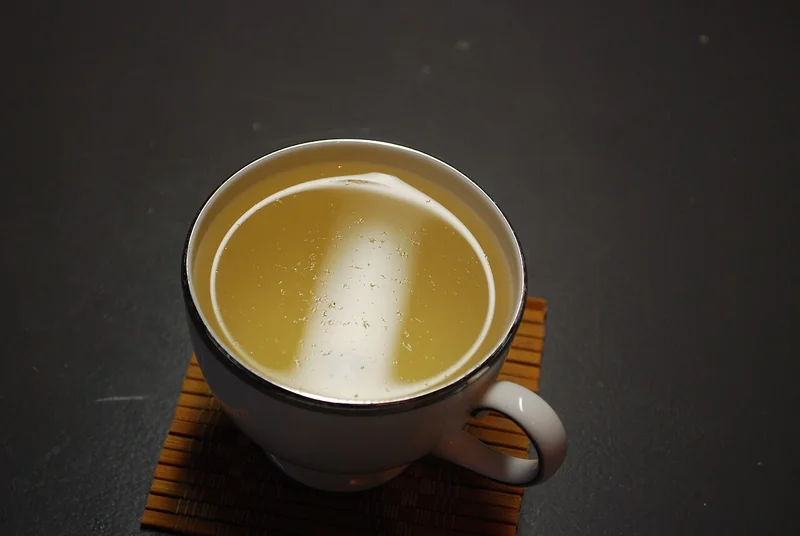
Bai Hao Yinzhen (Silver Needle)
China's most prized white tea — single-bud harvest from Fujian, silvery with fine hair and delicately sweet.
- Oxidation
- Very light · 5–10%
- Origin
- China (Fuding and Zhenghe, Fujian Province)
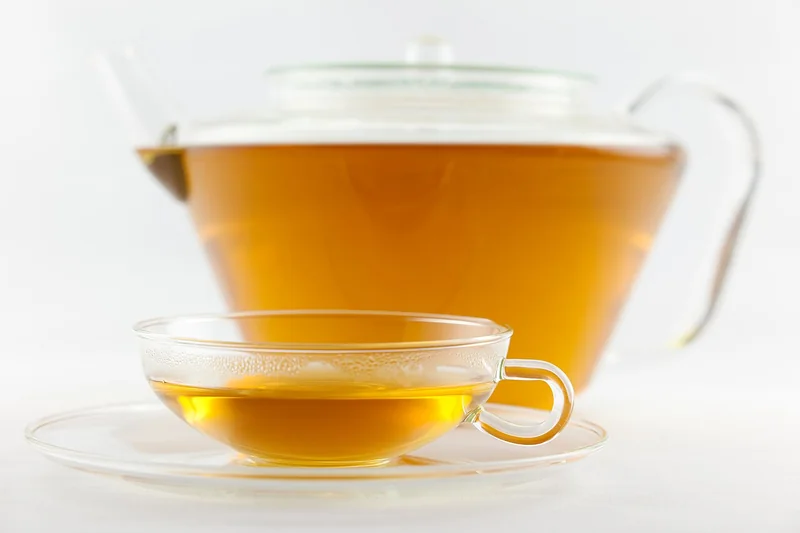
Bai Mudan (White Peony)
Fujian white tea — bud with one or two leaves, fuller-bodied than Silver Needle but retaining white tea's delicacy.
- Oxidation
- Very light · 5–10%
- Origin
- China (Fuding, Zhenghe, Fujian Province)
More Tea guides
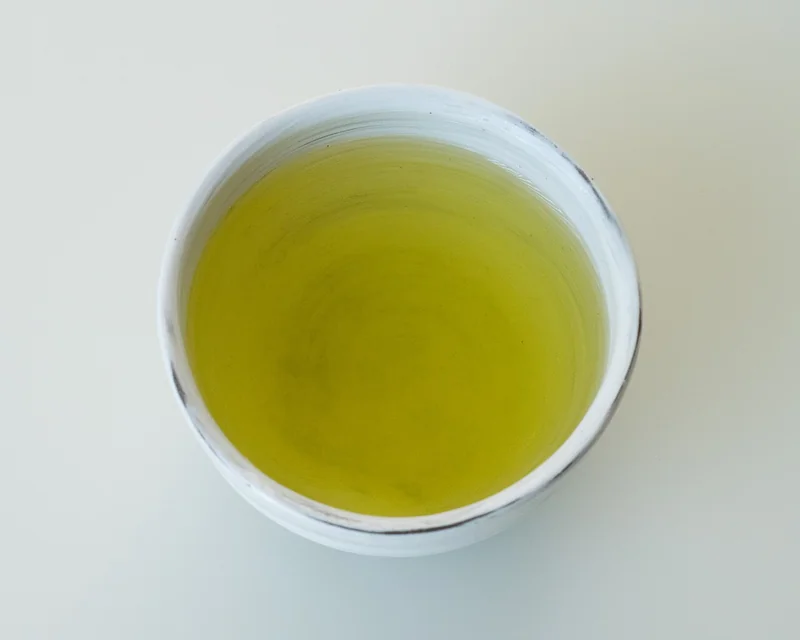
Bancha
Japan's everyday late-harvest green tea — brisk, low-caffeine, affordable, and the daily cup of most Japanese
- Oxidation
- Light · 10–15%
- Origin
- Japan (all major tea regions, primarily Shizuoka and Kagoshima)
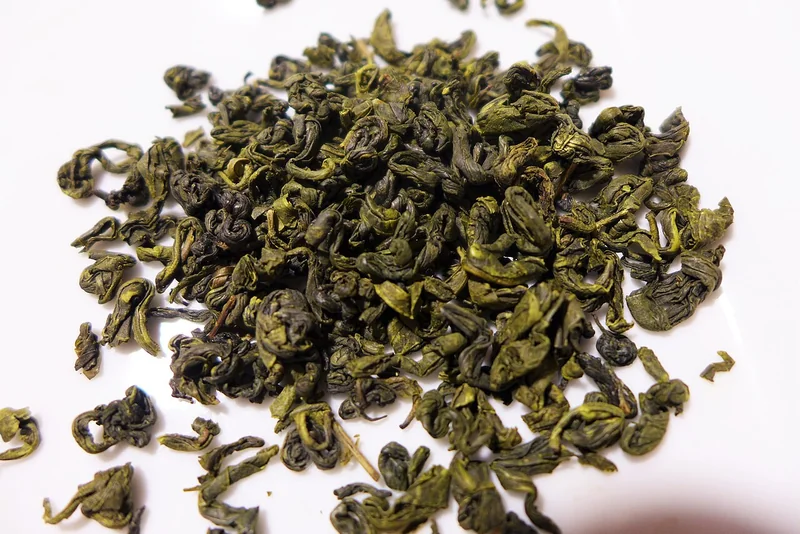
Bi Luo Chun
Tightly spiral-rolled spring green tea from Dongting Mountain, Suzhou — with a characteristic natural floral fragrance.
- Oxidation
- Light · 10–15%
- Origin
- China (Dongting Mountain, Suzhou, Jiangsu)

British Afternoon Tea
The Victorian tradition of the 7th Duchess of Bedford — tea, sandwiches, scones, and cakes served mid-afternoon.
- Oxidation
- —
- Origin
- —
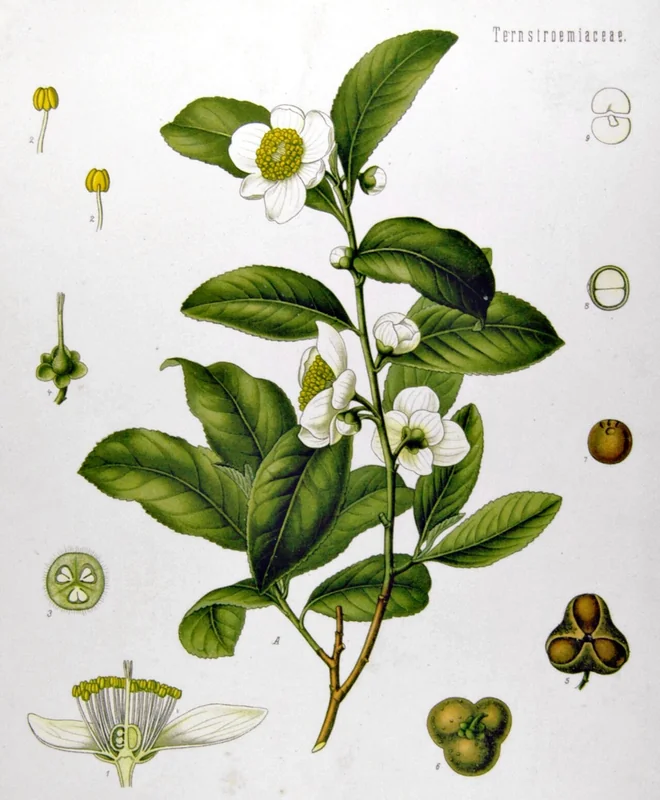
Camellia sinensis (Chinese Tea Plant)
The small-leaf Chinese tea plant — source of green, white, yellow, and oolong teas cultivated for over two millennia.
- Oxidation
- —
- Origin
- Yunnan Province, China (likely center of origin); widely cultivated across East Asia
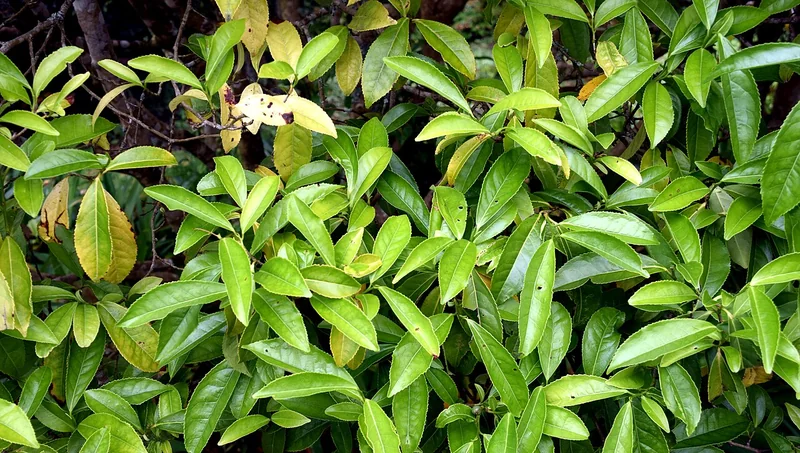
Camellia sinensis var. assamica (Assam Tea Plant)
The large-leaf Assam tea plant — source of robust black teas from India, Sri Lanka, and East Africa.
- Oxidation
- —
- Origin
- Assam, northeastern India; also found wild in Yunnan, Burma, and Southeast Asia
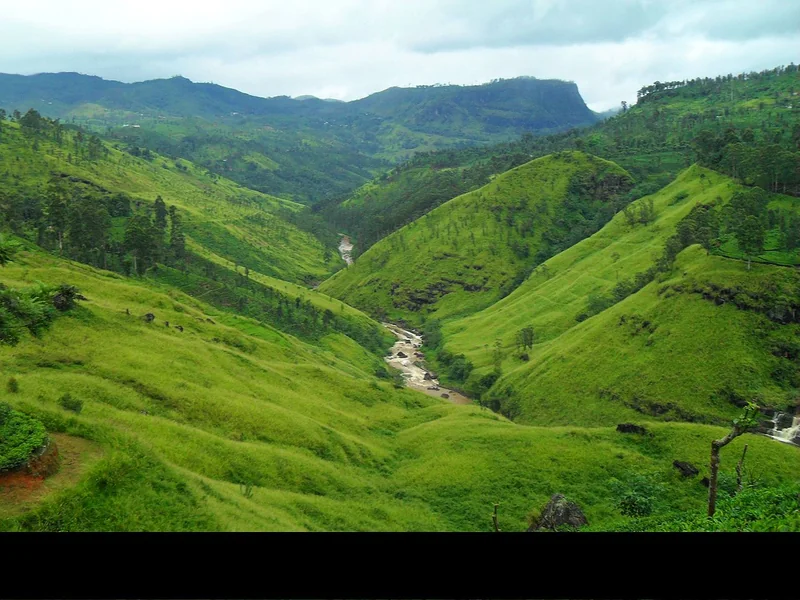
Ceylon
Sri Lanka's national black tea, grown across multiple altitude zones each with a distinct flavour profile.
- Oxidation
- Full · 100%
- Origin
- Sri Lanka (Nuwara Eliya, Dimbula, Uva, Ruhuna)