Bai Mudan (White Peony)
Fujian white tea — bud with one or two leaves, fuller-bodied than Silver Needle but retaining white tea's delicacy.
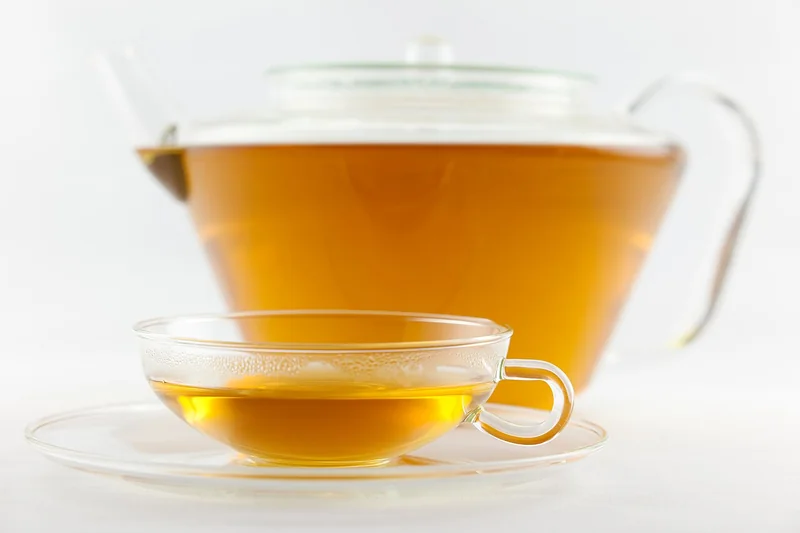
Bai Mudan (白牡丹, 'White Peony') is the second grade of Chinese white tea, consisting of one bud with one or two young leaves, harvested slightly after Silver Needle in spring from Fuding, Zhenghe, and other counties in Fujian Province. The leaves undergo the same minimal white tea processing — outdoor withering for 60–72 hours followed by low-heat drying — but the presence of leaf tissue alongside the bud gives White Peony more body, colour, and a slightly more complex flavour than pure Silver Needle. The infusion is light gold to amber, with a sweet, floral character and more substance than Silver Needle. It is widely considered the best value entry point into premium white tea.
Quick facts
- Type
- Tea
- Origin
- China (Fuding, Zhenghe, Fujian Province)
- Cultivar
- Da Bai (Large White), Da Hao (Large Down), Zhenghe Da Bai
- Oxidation
- White (minimal)
- Caffeine
- Low
- Umami
- Subtle, slightly more than Silver Needle
- Astringency
- Very low
- Sweetness
- Honey-peach sweetness, more accessible than Silver Needle
- Body
- Light to medium
- Tasting notes
- honey, white peach, apricot, light hay, floral
Bud-and-Leaf Composition
White Peony is defined by its one-bud-plus-one-to-two-leaf composition. This compositional difference from Silver Needle (bud only) accounts for its more accessible price, greater availability, and slightly fuller flavour. The leaf tissue alongside the bud contains more chlorophyll, catechins, and tannins than the bud alone, contributing additional body and a gentle green note to complement the bud's sweetness. The ratio of bud to leaf affects grade: 'Special Grade' Bai Mudan with a dominant bud and only one very young leaf commands higher prices; lower-grade Bai Mudan with two larger leaves is more common in the market.
Processing and Appearance
Bai Mudan processing is identical to Silver Needle: harvest, outdoor withering for 60–72 hours in sunlight and wind, and gentle drying at 40–50°C. The appearance after drying shows the characteristic dark green leaf with a white, hair-covered bud at the tip — resembling a white flower opening, which gives the tea its peony name. The dried leaf shows the contrast between the green-grey leaf surface and the white-silver bud tip. When brewed, the bud unfurls to reveal the combined bud-and-leaf structure. Multiple infusions (3–5) are possible, with later steepings developing more hay and wood notes.
Position in the White Tea Hierarchy
Chinese white tea is traditionally graded into four tiers: Bai Hao Yinzhen (Silver Needle, bud only), Bai Mudan (White Peony, bud plus one to two leaves), Gong Mei (Tribute Eyebrow, coarser leaves with some bud), and Shou Mei (Longevity Eyebrow, the most mature leaves, lowest grade). This hierarchy reflects the progression of harvest from early spring (premium bud-only) through later flushes (older leaf). Bai Mudan occupies the second-highest tier, offering more accessible pricing than Silver Needle while retaining the quality character of early-season Fujian white tea.
Sources & further reading (2)
- encyclopedia — accessed 2026-05-07
- specialty-reference — accessed 2026-05-07
Frequently asked questions
What is the difference between Bai Mudan and Bai Hao Yinzhen?
Bai Hao Yinzhen (Silver Needle) uses only the unopened bud, producing the most delicate, lightest, and most expensive white tea. Bai Mudan (White Peony) includes one bud plus one or two young leaves, producing a more full-bodied, amber infusion with honey and peach notes. White Peony is generally considered the best value-for-quality in the white tea category.
Can white tea be brewed multiple times?
Yes. Bai Mudan can be infused 3–5 times from the same leaves. The first infusion (80–85°C, 3 minutes) yields the most delicate, sweetest cup. Subsequent infusions gradually develop more body and hay-like complexity. Using slightly hotter water or longer steeping time in later infusions compensates for the declining extract concentration. Cold-brewing Bai Mudan in cold water for 8–12 hours also produces an excellent result with greater sweetness and less bitterness.
Is Bai Mudan suitable for aging?
Yes. Like Silver Needle, Bai Mudan can be aged deliberately in clean, dry, odour-free conditions. Over 3–10 years, the tea develops a darker amber colour, reduced freshness, and increased complexity with dried fruit and honey notes. The bud-and-leaf composition of Bai Mudan gives it more material to age compared to Silver Needle, and many collectors consider 3-to-5-year-old Bai Mudan to offer an excellent balance of freshness and aged complexity.