British Afternoon Tea
The Victorian tradition of the 7th Duchess of Bedford — tea, sandwiches, scones, and cakes served mid-afternoon.
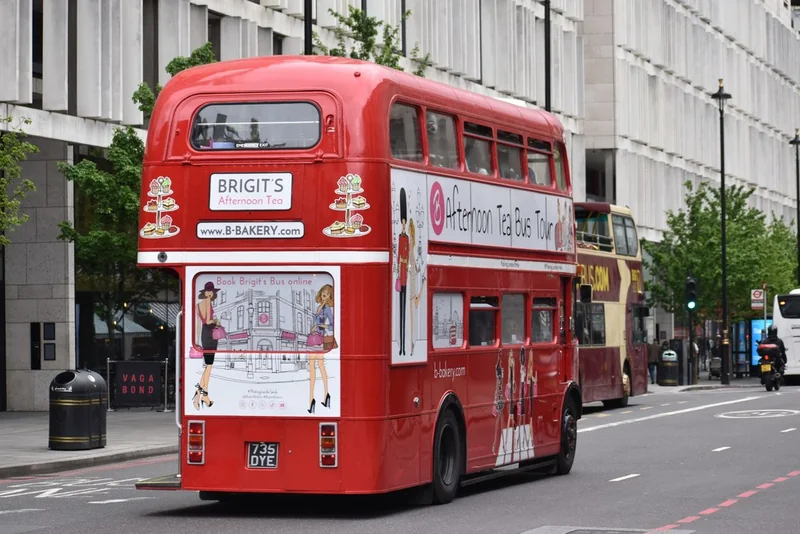
British afternoon tea is a light meal served mid-afternoon (typically 3:00–5:00 PM) consisting of freshly brewed black tea accompanied by tiered stands of food: finger sandwiches on the lowest tier, scones with clotted cream and jam on the middle tier, and cakes and pastries on the upper tier. The tradition is attributed to Anna Maria Russell, the 7th Duchess of Bedford (1783–1857), who reportedly began taking tea with small cakes at 4 PM to address mid-afternoon hunger — a gap left by the Victorian shift to later dinner times. By the 1840s, she was inviting friends to join her, and the practice spread through English society. Afternoon tea is now a significant element of British hospitality, tourism, and food culture internationally.
Quick facts
- Type
- Tea Culture
- Culture
- British afternoon tea
Origins in Victorian Britain
The specific attribution to Anna Maria Russell, 7th Duchess of Bedford, appears in accounts written decades after her death and cannot be fully verified from contemporary sources. What is well-documented is that by the 1840s, afternoon tea had become an established social practice among the British upper classes, particularly among women. The practice reflected broader changes in Victorian daily schedules: the rise of a substantial midday meal that replaced the earlier 'dinner,' and the shift of the main evening meal to 8 or 9 PM — creating a significant hunger gap in the late afternoon. Tea with light food neatly filled this gap and provided a structured social occasion. By the 1880s–90s, London hotels including the Savoy and the Ritz had begun offering formal afternoon tea services to paying guests.
Cream Tea and the Cream First Debate
A specific sub-tradition, cream tea, consists of tea with scones, clotted cream, and strawberry jam. A long-standing regional debate exists between Devon and Cornwall about the correct order of application. In Cornwall, jam is spread on the scone first, then topped with clotted cream. In Devon, clotted cream is applied first, then jam. Both counties claim their method is the authentic original. The debate has been satirised, studied by food writers, and even raised in the British Parliament. The practical difference affects eating experience slightly — the cream-first method keeps the jam visible on top — but neither version has a defensible historical claim to supremacy.
Formal Hotel Afternoon Tea
Formal hotel afternoon tea in Britain — served at establishments including The Ritz, Claridge's, Brown's Hotel, and The Savoy — is a structured hospitality experience with specific conventions. Tables are laid with white linen, fine china, silver tea services, and tiered cake stands. A menu of teas is offered, typically including Darjeeling, Assam, Earl Grey, and house blends. The food arrives in three tiers: sandwiches first (cucumber, smoked salmon, egg mayonnaise, coronation chicken are classic fillings); scones with clotted cream and jam second; pastries and miniature cakes on top. A dress code is typically required. Hotel afternoon teas at historic London institutions require advance booking weeks or months ahead for weekend service.
Sources & further reading (2)
- encyclopedia — accessed 2026-05-07
- industry-association — accessed 2026-05-07
Frequently asked questions
What is the difference between afternoon tea and high tea?
These terms are commonly confused. Afternoon tea is the light, elegant mid-afternoon occasion (3–5 PM) with sandwiches, scones, and cakes — a refined, upper-class tradition. High tea is a working-class evening meal (5–7 PM) consisting of hot substantial food (meat pies, eggs, baked beans, cold meats) eaten at a high dining table rather than a low tea table. 'High tea' as a term in the United States and internationally is often misused to mean formal afternoon tea — exactly the opposite of what it historically describes.
What tea is typically served at British afternoon tea?
Black teas are standard: Assam (full-bodied, malty, stands up to milk well), Darjeeling (lighter, more delicate, floral), Ceylon (brisk, citrusy), Earl Grey (bergamot-scented), and house blends. Traditional formal afternoon teas use loose-leaf tea in silver pots with strainers. Milk is served separately (cold, not warm) for black teas. Herbal options (chamomile, peppermint) are typically available as alternatives.
Is afternoon tea the same in different parts of Britain?
Regional variations exist. Scottish afternoon tea may include shortbread and Dundee cake. Welsh variants may include Welsh cakes (flat griddle cakes with currants). Northern English cream teas use thicker, more bread-like scones. The most famous and codified version is the formal London hotel afternoon tea, which has become the internationally recognised template. Cream tea specifically is associated with the West Country (Devon and Cornwall) tradition.