Thelypteris kunthii
Thelypteris kunthii Care Guide
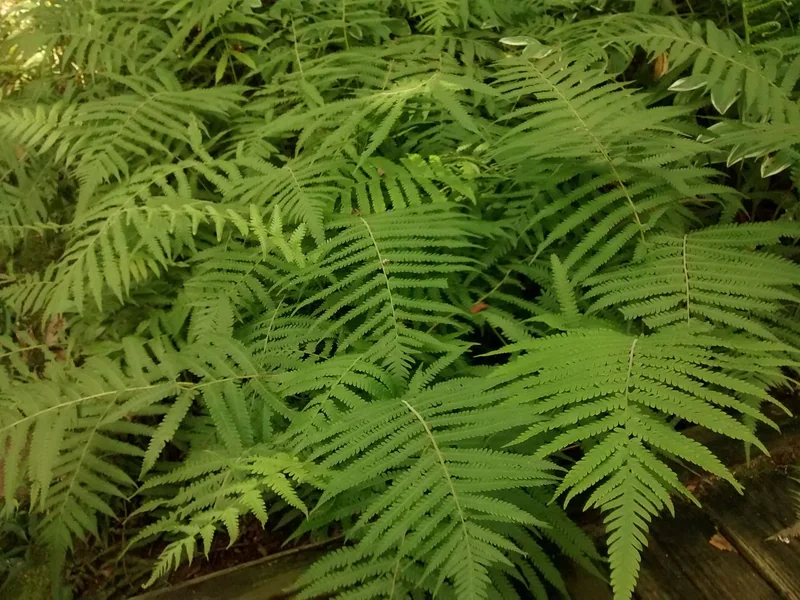 Featured photothelypteris-kunthii.jpg
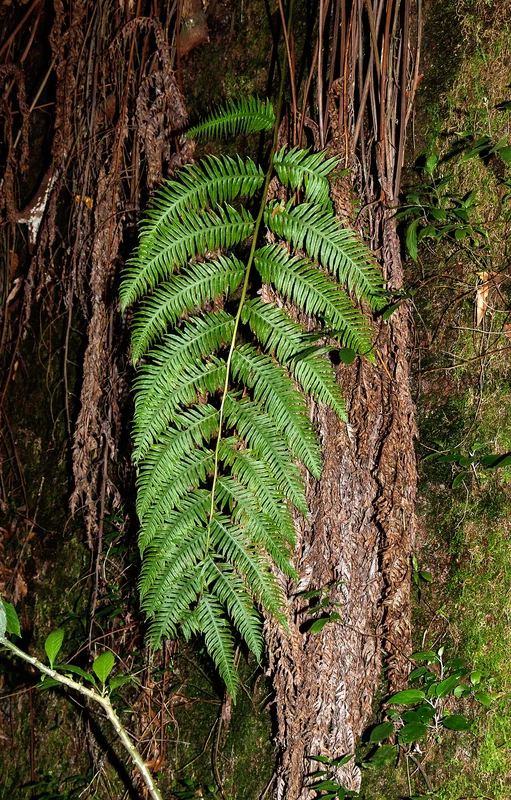
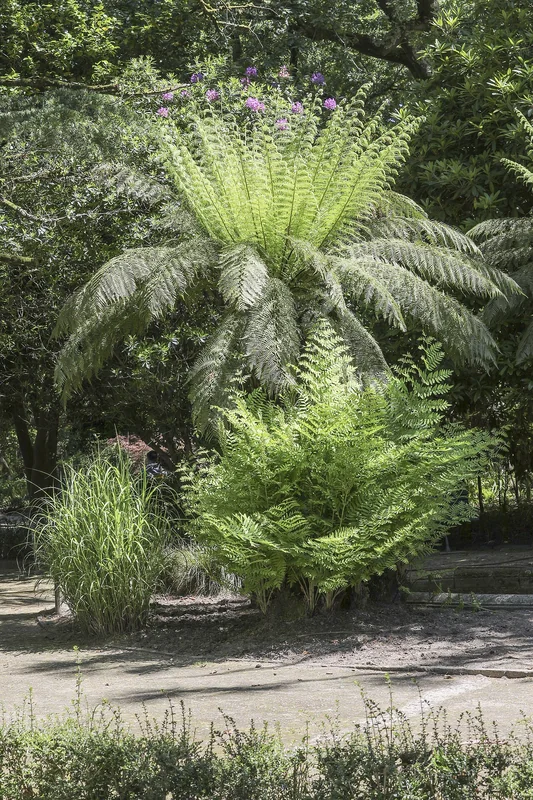
Thelypteris kunthii, the Southern Wood Fern or River Fern, is a robust, deciduous fern native to the southeastern United States and Central America, producing arching, pinnate fronds with soft, pale-green pinnae from a vigorous, spreading rhizome. It is one of the most heat-tolerant and adaptable ferns for indoor and semi-shade cultivation, growing faster and recovering more quickly from neglect than most ornamental ferns. It is particularly well-suited to humid, warm indoor environments.
Care facts at a glance
- Light
- Low light
- Water
- Keep consistently moist; water every 3–5 days in summer. Reduce in winter but never allow to dry completely.
- Humidity
- 50–80 %
- Temperature
- 5–35 °C
- Soil
- Rich, moisture-retentive potting mix with good drainage; slightly acidic pH 5.5–6.5.
- Origin
- Moist woodland margins, stream banks, and humid thickets of the southeastern United States, Mexico, and Central America.
- Mature size
- 50–90 cm tall; spreading by rhizomes to form wide clumps.
Overview
Thelypteris kunthii (Desv.) C.V.Morton was described in its current combination in 1967, named for the German botanist Karl Sigismund Kunth. The genus Thelypteris (Greek for 'female fern') contains over 900 species of woodland ferns. T. kunthii stands out for its vigour in warm conditions — unlike many temperate ferns that slow down above 25 °C, it continues growing actively in warm, humid indoor environments throughout summer, and can produce new fronds at a rate of one or two per week in ideal conditions.
Care Priorities
- This fern is more tolerant of heat and lower humidity than most; average room conditions (18–28 °C, 50–60% humidity) are adequate.
- Provide consistent moisture; the fronds may wilt briefly during drought but recover readily once watered.
- Feed regularly during the growing season — the vigorous growth rate requires regular nutrient replenishment.
- Divide large clumps every 2–3 years in spring to rejuvenate growth and produce new plants.
Common Problems
Fronds that yellow rapidly at the base are usually caused by overwatering and poor drainage; improve drainage and allow slightly more drying between waterings. Frond tips browning progressively inward indicate low humidity or drought; increase watering frequency and move away from heating vents. New croziers (unfurling fronds) that fail to develop or brown early signal nutrient deficiency; resume feeding. Vine weevil notches along frond margins with a grub visible in the root zone; treat with biological control nematodes.
Sources & further reading (2)
- botanical-garden — accessed 2026-05-27
- encyclopedia — accessed 2026-05-27
Frequently asked questions
Is it an evergreen or deciduous fern?
Outdoors in temperate climates it is deciduous, dying back fully in winter. Indoors in warm, stable temperatures above 15 °C it remains evergreen or semi-evergreen year-round, continuing to produce new fronds throughout the winter months.
How fast does it grow?
In warm, humid conditions with adequate water and feeding, T. kunthii is one of the fastest-growing ferns you can keep indoors, producing new fronds continuously through summer. A healthy plant can develop 1–2 new fronds per week.
Can I divide it?
Yes, and division every 2–3 years is recommended to keep the plant vigorous. In spring, remove from the pot, separate the rhizome into sections each with several fronds and a portion of root, and pot individually in fresh compost. Water well and maintain high humidity while dividing.