Osmunda regalis
Osmunda regalis Care Guide
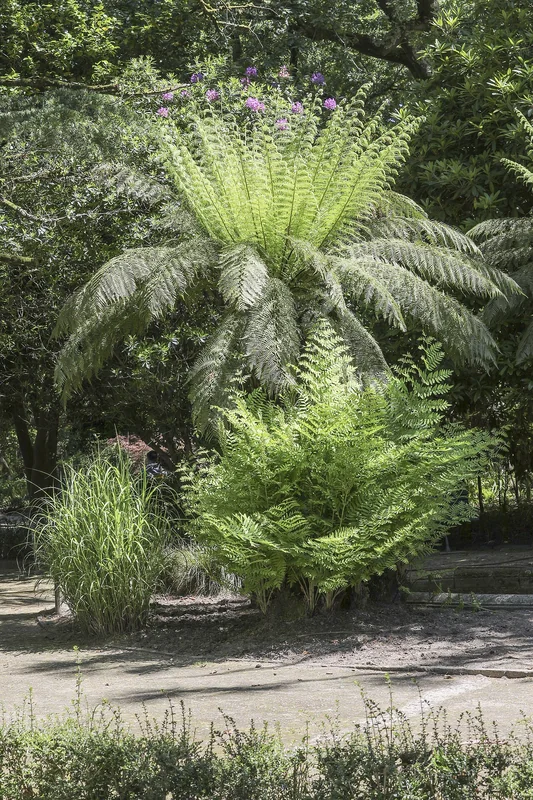 Featured photoosmunda-regalis.jpg
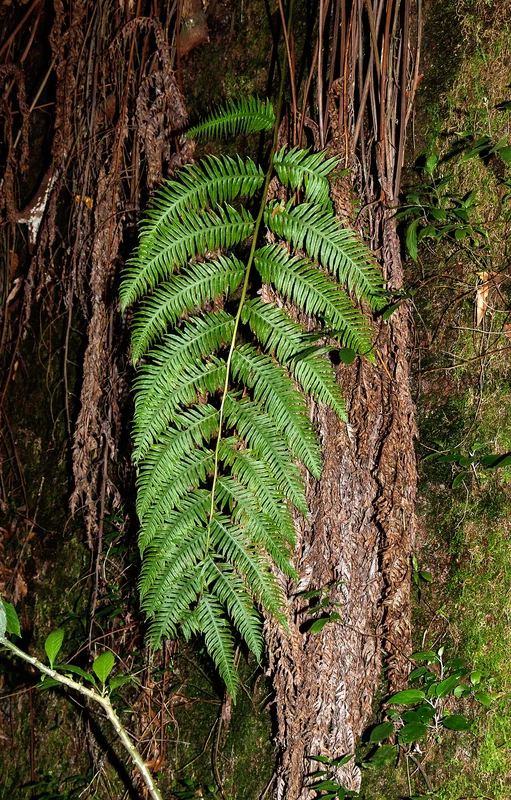
Osmunda regalis, the Royal Fern, is one of the world's most ancient and recognisable ferns, producing broad, bipinnate fronds up to 1.5 m tall with a distinctive, architectural elegance. Native to moist woodlands and stream margins across Europe, Asia, and the Americas, it is distinguished by its fertile fronds whose tips transform into clusters of rust-brown sporangia in summer. Indoors it requires consistently moist, acidic conditions and cool temperatures, thriving in large containers in shaded rooms or conservatories.
Care facts at a glance
- Light
- Low light
- Water
- Keep permanently moist to wet; water every 2–3 days in summer. The pot may stand in a saucer of water during warm months.
- Humidity
- 70–95 %
- Temperature
- -10–22 °C
- Soil
- Very moisture-retentive acidic mix: peat or ericaceous compost with coco coir; pH 4.5–5.5.
- Origin
- Bog margins, stream banks, and moist woodland glades across Europe, Asia, and the Americas.
- Mature size
- 1–1.5 m tall; large, spreading clumps in ideal conditions.
Overview
Osmunda regalis L. was described by Linnaeus in 1753 and belongs to the ancient fern family Osmundaceae, which has an unbroken fossil record dating back over 220 million years. The genus Osmunda is often called a 'living fossil' — early Jurassic specimens are nearly identical to living plants. The species name 'regalis' means 'royal', describing the stately elegance of the large fronds. The distinctive feature of O. regalis is its dimorphic fronds: sterile fronds bear the characteristic pinnate green leaflets, while fertile fronds at the centre of the clump have their upper portions transformed into compact clusters of rusty-brown sporangia.
Care Priorities
- Consistently saturated or very moist soil is essential — this fern can stand in a shallow saucer of water in summer without harm.
- Cool conditions (below 20 °C) are strongly preferred; it goes dormant in winter and requires a frost-tolerant growing position.
- Use a large pot (40+ cm) filled with ericaceous compost; the root ball develops into a mass of fibrous, spongy material over years.
- In autumn, allow fronds to die back naturally and leave the crown intact over winter.
Common Problems
Frond browning in summer is caused by drought, low humidity, or excess heat above 22 °C. Move to a cool, humid position and water heavily. The fibrous root mass (osmunda fibre) in old specimens can become so dense that it lifts the plant out of its pot; repot every 3–4 years in spring. Botrytis can develop on dying fronds in autumn; remove dead fronds promptly to prevent fungal spread. Vine weevil larvae attack the root ball; apply nematode biological control in late summer.
Sources & further reading (2)
- botanical-garden — accessed 2026-05-27
- encyclopedia — accessed 2026-05-27
Frequently asked questions
Can it grow in a pond?
Yes — O. regalis is one of the best ferns for pond margins and bog gardens. Plant at the edge in permanently moist, acidic soil, or in a container standing in 2–5 cm of water. It will eventually form a large clump in a natural pond setting.
What is the rusty-brown structure at the frond tip?
This is the fertile portion of the frond — the upper pinnae are replaced by dense, rust-brown clusters of sporangia (spore-producing structures). These turn from green to rusty-brown as the spores mature. This biphasic frond is a diagnostic feature of Osmunda.
Does it go dormant in winter?
Yes — in cool climates it loses all fronds in autumn, entering full dormancy. Indoors in heated rooms it may remain partially green, but it rests significantly in shorter-day months. The crown should be kept barely moist and cool (5–10 °C) through winter.