Rumohra adiantiformis
Rumohra adiantiformis Care Guide
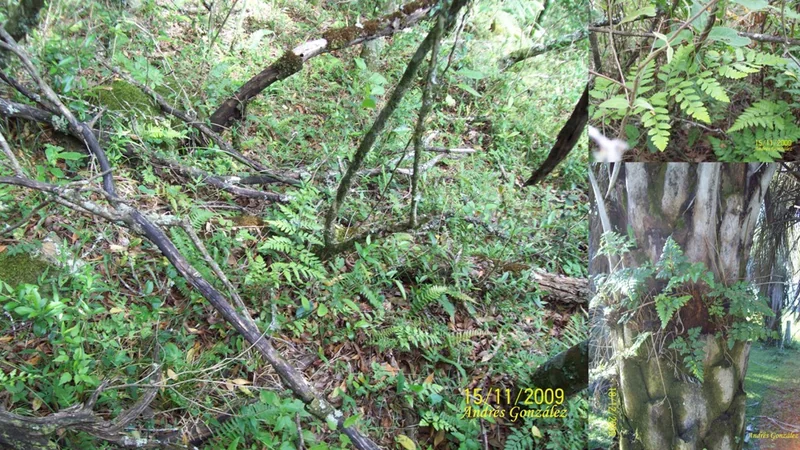 Featured photorumohra-adiantiformis.jpg
Rumohra adiantiformis, the Leatherleaf Fern, is a robust, creeping fern from southern Africa, South America, and Australasia, prized in the cut-flower trade for its long-lasting, glossy, dark-green, bipinnate fronds that can remain fresh for weeks after cutting. As a houseplant it is one of the most adaptable ferns available, tolerating lower humidity, irregular watering, and some direct sun — conditions that would quickly destroy most ferns. It makes an outstanding structural foliage plant for bright indoor spaces.
Care facts at a glance
- Light
- Bright indirect
- Water
- Water when the top 2–3 cm of soil has dried; approximately every 5 to 7 days in the growing season.
- Humidity
- 40–75 %
- Temperature
- 5–28 °C
- Soil
- Well-draining, rich potting mix with added perlite; good drainage is more important than high moisture retention.
- Origin
- Moist forests, cliff faces, and rock outcrops of southern Africa, South America, and Australasia.
- Mature size
- 50–80 cm tall; creeping rhizome spreads over time.
Overview
Rumohra adiantiformis (G.Forst.) Ching was described in its current form in 1938 and has been one of the most important cut foliage plants in the international floriculture industry since the 1970s. The leathery frond texture results from multiple layers of thick-walled cells in the leaf epidermis, which resist desiccation and allow fronds to remain turgid long after cutting. The creeping, scaly rhizome grows along the soil surface and produces fronds at intervals — repotting should preserve as much of the rhizome as possible.
Care Priorities
- Brighter light than most ferns: this species can handle some morning direct sun and performs well in a bright, indirect-light position.
- Lower humidity tolerance makes it suitable for typical home environments (40–60% humidity) where other ferns would struggle.
- Water moderately and allow some drying between waterings — the leathery fronds store water reserves.
- Repot in spring every 2–3 years, being careful not to bury the rhizome — it grows on the surface.
Common Problems
Old fronds turning yellow from the base upward is normal ageing — remove cleanly at the base. Scale insects are the most serious pest, appearing as brown or tan bumps on frond undersides; treat with horticultural oil or neem. Root rot from compacted, poorly draining soil is the primary disease issue; use a perlite-amended mix and ensure good drainage. Fronds that are dull or yellowing in good light conditions often indicate nutrient deficiency — resume regular feeding.
Sources & further reading (2)
- botanical-garden — accessed 2026-05-27
- encyclopedia — accessed 2026-05-27
Frequently asked questions
Why is it called the 'Seven-week Fern'?
The common name refers to its extraordinary longevity as a cut foliage item — individual fronds can remain fresh and usable in floral arrangements for up to seven weeks, far longer than most cut greens.
Can I take frond cuttings for flower arrangements?
Yes — cut mature fronds at the base with clean secateurs. Condition the cut end in water for an hour before arranging. The fronds will remain attractive for several weeks in a vase.
Is it related to Dryopteris?
Rumohra was historically placed in Dryopteridaceae and does share similarities with Dryopteris. Current molecular phylogenetics places it in Dryopteridaceae as well, though as a distinct genus, closely related to Polystichum.