Alocasia baginda 'Silver Dragon'
Alocasia 'Silver Dragon' Care Guide
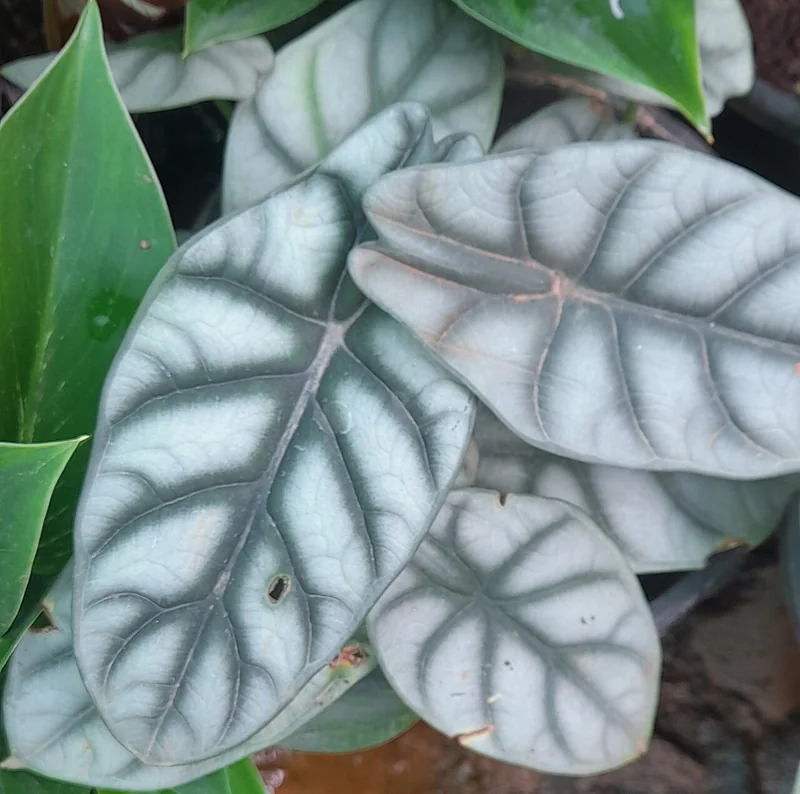 Featured photoalocasia-silver-dragon.jpg
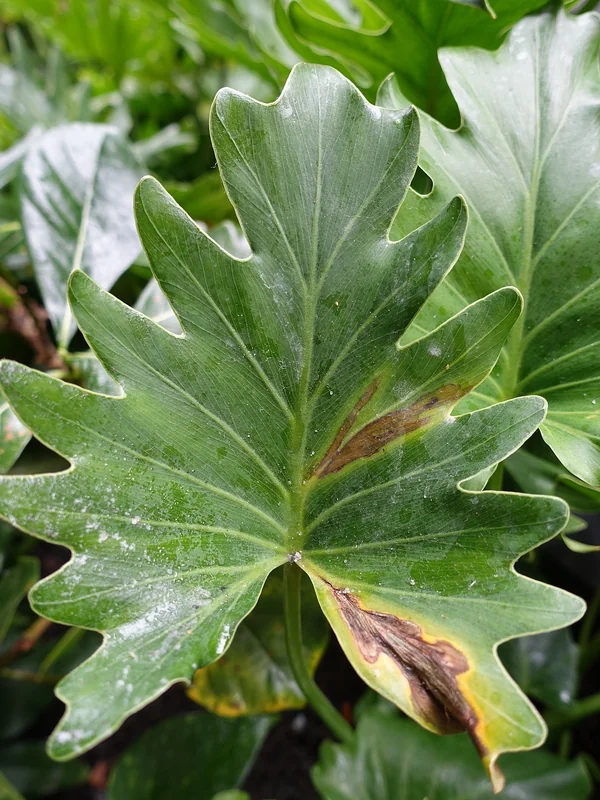
Alocasia 'Silver Dragon' is a compact cultivar of Alocasia baginda, a species native to Borneo, featuring broad, heavily textured leaves in pale silver-green with dramatic dark green primary veins creating a scaly, dragon-skin appearance that gives the plant its common name. It grows to a manageable 30 to 50 cm, making it ideal for windowsills and shelves where larger alocasias would be impractical. Although more demanding in humidity and care than many houseplants, its unique textural beauty and collector appeal have made it one of the most sought-after compact alocasias in the market.
Care facts at a glance
- Light
- Bright indirect
- Water
- Water when the top 3 to 4 cm of substrate has dried; every 7 to 10 days in the growing season.
- Humidity
- 60–80 %
- Temperature
- 18–30 °C
- Soil
- Well-draining, chunky aroid mix: bark, perlite, and a small amount of potting compost.
- Origin
- Cultivar derived from Alocasia baginda, native to humid lowland forests of Borneo.
- Mature size
- 30 to 50 cm tall; leaves 15 to 25 cm long.
Overview
Alocasia 'Silver Dragon' is a cultivar selection from Alocasia baginda, a species from the humid foothill forests of Borneo. The distinctive dragon-scale texture is produced by deeply impressed primary veins that create raised ridges across the leaf surface, with the pale silver-green tissue contrasting sharply with the dark veins. The cultivar name captures the reptilian quality of the surface perfectly. Like all alocasias it grows from a corm and experiences natural periods of dormancy or growth slowdown, particularly in lower-light winter conditions. It is a collector plant that has become increasingly available as propagation techniques have scaled up.
Care Priorities
- High humidity above 60 percent is essential for healthy, undistorted new leaves; low humidity causes curled, small, or partially browned emerging leaves.
- Bright indirect light maintains the silver colouration at its most vivid; too little light produces darker, less distinctively patterned leaves.
- The corm stores energy but is susceptible to rot if the substrate stays persistently wet; well-draining aroid mix is critical.
- Dormancy periods in winter are normal — the plant may stop producing new leaves for 4 to 8 weeks; reduce watering and do not fertilise during this time.
Common Problems
Yellowing and loss of the lower oldest leaves is normal and regular — alocasias drop older leaves as new ones emerge; this is not a disease sign. Spider mites are the most serious pest threat; they establish rapidly in low humidity and cause yellowing stippling across the distinctive leaf surface. Increase humidity and treat with neem oil at the first sign of webbing. Root and corm rot from overwatering causes sudden collapse of the entire plant; let the substrate dry thoroughly between waterings and ensure excellent drainage. Small, pale, or misshapen new leaves indicate insufficient humidity during the expansion period.
Sources & further reading (2)
- botanical-garden — accessed 2026-05-08
- encyclopedia — accessed 2026-05-08
Frequently asked questions
Is A. 'Silver Dragon' the same as A. 'Dragon Scale'?
No — 'Dragon Scale' is a different cultivar, also from A. baginda, with darker, more blue-green leaves and a more pronounced scale texture. 'Silver Dragon' has a paler, more silvery base colour and a softer overall appearance.
My plant lost all its leaves — is it dead?
Not necessarily — alocasias can enter full dormancy and drop all leaves while the corm remains alive. Leave the pot undisturbed in a warm spot, water once every 2 to 3 weeks, and check for new growth after 6 to 8 weeks.
How do I propagate it?
Division of the corm when repotting is the primary method. Small offset corms at the base of the parent plant can be carefully separated and potted individually in moist aroid mix.