Polystichum setiferum
Polystichum setiferum Care Guide
 Featured photopolystichum-setiferum.jpg
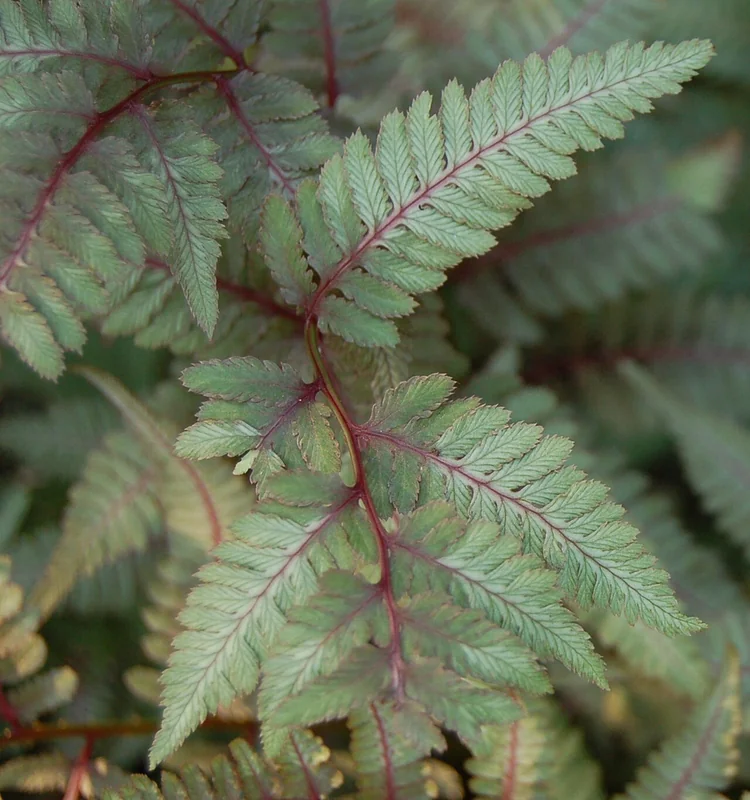
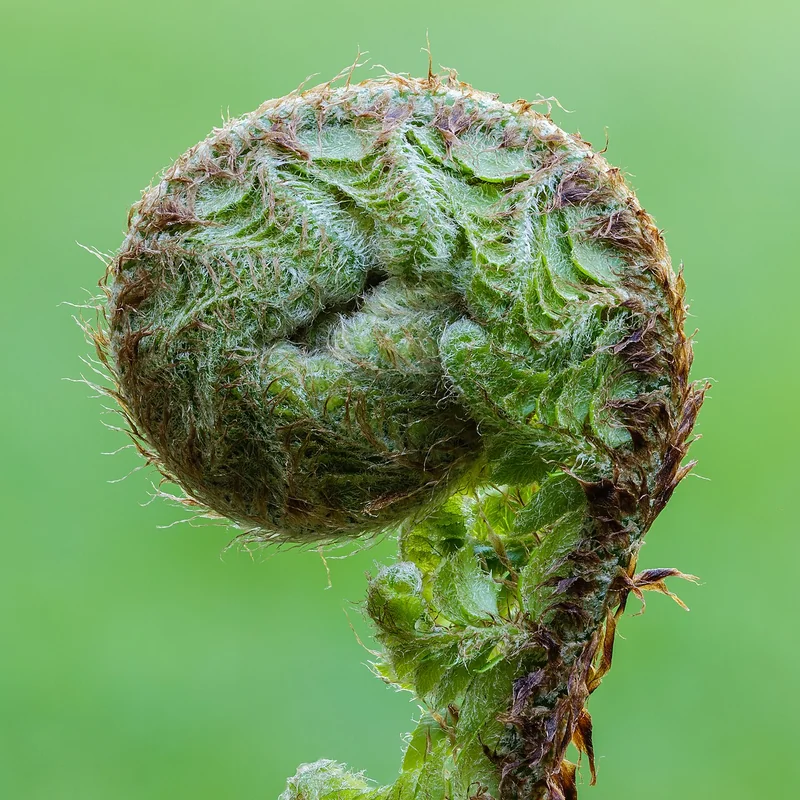
Polystichum setiferum, the soft shield fern, is a graceful European woodland fern producing finely divided, feathery fronds with a soft, almost silky texture quite different from the firmer fronds of related species. It is semi-evergreen in mild climates and tolerates both cold and dry periods better than tropical ferns. Numerous ornamental cultivars with crisped, plumose, or multi-pinnate fronds have been selected, making it one of the most diversely cultivated hardy ferns available.
Care facts at a glance
- Light
- Medium light
- Water
- Keep evenly moist; water when the top 2 to 3 cm has dried — more tolerant of dry periods than tropical ferns.
- Humidity
- 40–70 %
- Temperature
- -10–22 °C
- Soil
- Humus-rich, well-draining fern mix with good organic matter content.
- Origin
- Shaded woodlands and hedgerows of western and central Europe.
- Mature size
- 50 to 80 cm tall; arching fronds to 80 cm long.
Overview
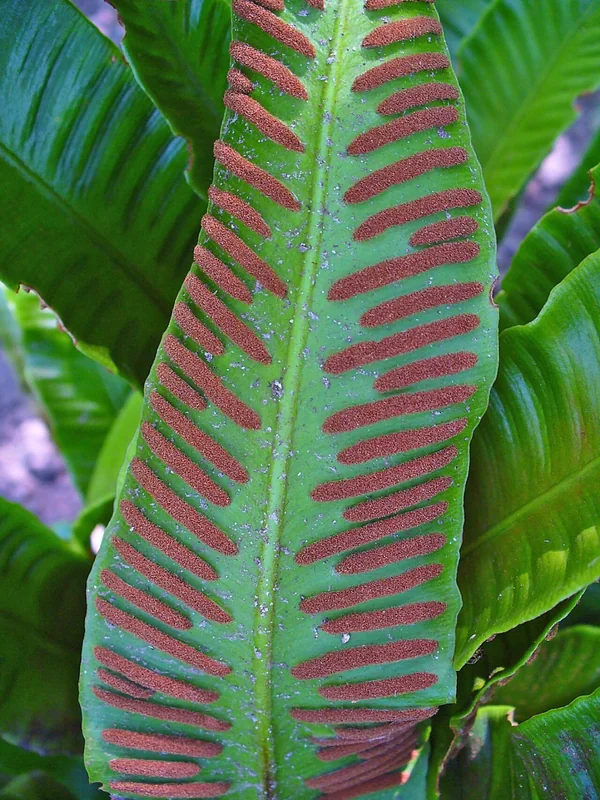
Polystichum setiferum was described by (Forssk.) Moore. The species name refers to the small bristle-tipped teeth along the leaf margins (seta = bristle). Some forms produce small bulbils along the rachis that fall and self-propagate naturally. Cultivated forms with multi-pinnate, plumose fronds ('Plumoso-Multilobum', 'Plumosum Bevis') are among the most desirable of all hardy ferns and have been cultivated since the Victorian fern craze of the 19th century.
Care Priorities
- Shade or indirect light is essential; direct sun bleaches and scorches the delicate fronds.
- Even moisture during the growing season produces the largest, most ornamental fronds.
- In mild climates the fronds persist through winter — leave them until spring and then cut back to make way for new growth.
- Mulch the crown in cold climates to protect against severe frost.
Common Problems
Frond browning at tips or margins indicates either low humidity or drought stress; increase both. Yellowing or tatty fronds in winter are normal and should be cut back in early spring. Slugs damage the tender new spring growth; protect with barriers or traps. Root rot is unlikely unless the mix becomes truly waterlogged.
Sources & further reading (2)
- botanical-garden — accessed 2026-05-08
- encyclopedia — accessed 2026-05-08
Frequently asked questions
What is a bulbil, and how do I propagate from one?
Bulbils are tiny plantlets that form naturally along the frond midrib. Once the frond is old enough, pin the frond face-down on moist fern mix and keep it in a warm, humid spot. The bulbils will root within 4 to 8 weeks.
Is the soft shield fern truly soft?
Yes — the pinnules have a noticeably softer texture than those of P. aculeatum or P. tsussimense, which are firmer and more leathery. The 'soft' quality is part of its ornamental appeal.
Does it grow well in a pot indoors long-term?
Yes — it grows well in containers with consistent moisture and indirect light. It prefers cool to moderate temperatures and may struggle in warm, dry rooms above 22 °C.