Dryopteris filix-mas
Dryopteris filix-mas Care Guide
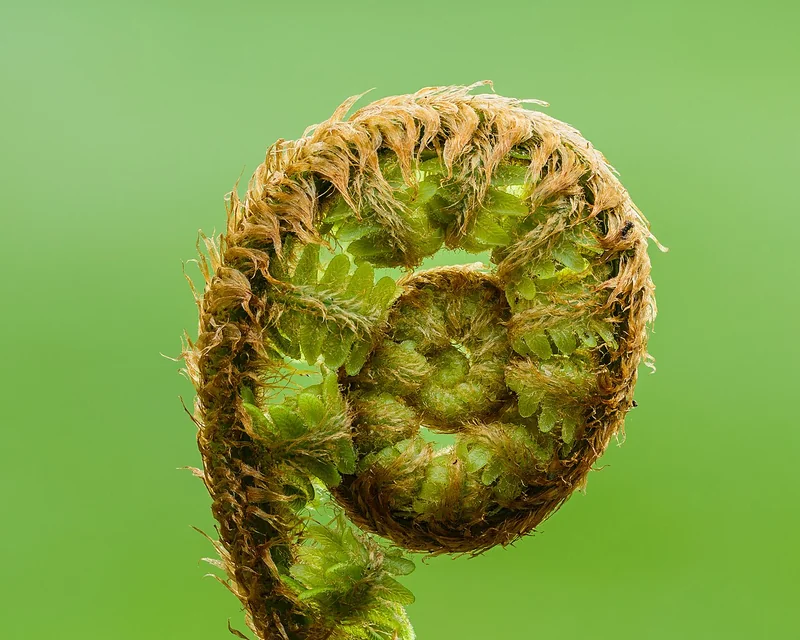 Featured photodryopteris-filix-mas.jpg
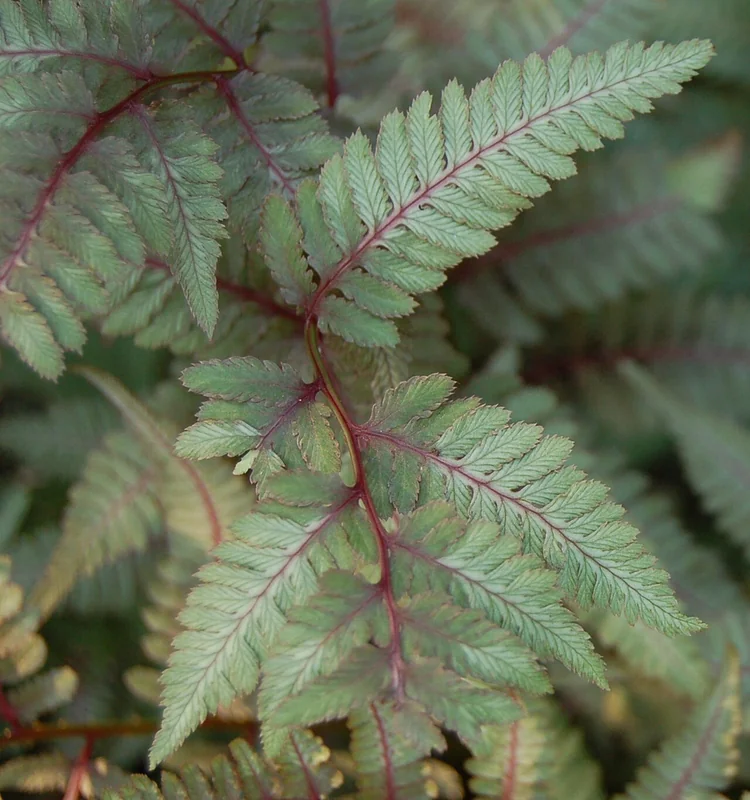
Dryopteris filix-mas, the male fern, is one of the most widely distributed and resilient temperate ferns in the world, native to forests of Europe, Asia, and North America. Its bold, bipinnate fronds arch gracefully to 60 to 100 cm, making it one of the most architecturally impressive ferns for large containers and shaded spaces. It is cold-hardy, adaptable, and considerably more drought-tolerant than tropical ferns, making it one of the most practical indoor ferns for temperate climates.
Care facts at a glance
- Light
- Medium light
- Water
- Keep evenly moist; water when the top 2 to 3 cm has dried. More drought-tolerant than tropical ferns.
- Humidity
- 40–70 %
- Temperature
- -10–22 °C
- Soil
- Humus-rich, moisture-retentive but well-draining mix; adds organic matter and perlite to standard potting compost.
- Origin
- Shaded woodland and forest margins across Europe, Asia, and North America.
- Mature size
- 60 to 100 cm tall; wide, arching fronds to 100 cm long.
Overview
Dryopteris filix-mas was described by Schott and is one of the most studied ferns botanically and historically. In medieval European pharmacopoeia, the rhizome was used to treat intestinal worms — though this is now of historical interest only. The common name 'male fern' contrasts it with the 'lady fern' (Athyrium filix-femina); both names are ancient and rooted in pre-scientific folk taxonomy. Many ornamental cultivars with crested or undulate fronds have been selected.
Care Priorities
- Indirect or low light; it thrives in the shade conditions of its native woodland habitat.
- More drought-tolerant than most ferns; allow the top few centimetres to dry before watering.
- Prefers cool temperatures; it grows best below 20 °C and becomes semi-dormant in warm summer rooms.
- Remove old, brown fronds in late winter to make room for fresh spring growth.
Common Problems
Fronds yellowing in warm indoor conditions in summer is usually heat stress combined with dry air; move to a cooler location. Tip browning in dry indoor air responds to increased humidity or moving to a bathroom. Root rot can occur in very dense, waterlogged mix; ensure adequate drainage and use a freely draining substrate.
Sources & further reading (2)
- botanical-garden — accessed 2026-05-08
- encyclopedia — accessed 2026-05-08
Frequently asked questions
Is it evergreen?
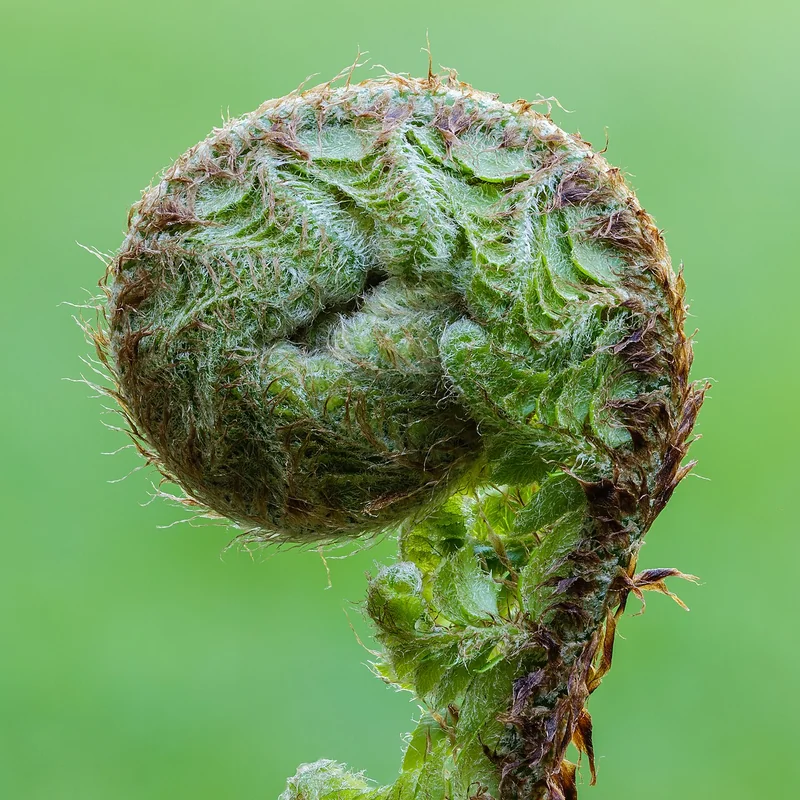
It is semi-evergreen in mild climates — older fronds persist through winter but may look tatty by spring. In cold climates it dies back completely and regrows from the crown in spring.
Can I grow it outdoors in a pot?
Excellent choice for outdoor container gardening in temperate climates. It handles frost, wind, and shade that would kill many other ferns.
How big does it get in a container?
Typically 60 to 80 cm in a pot. Outdoors in the ground it can reach 100 cm or more. Pot size limits its ultimate size.