Asplenium scolopendrium
Asplenium scolopendrium Care Guide
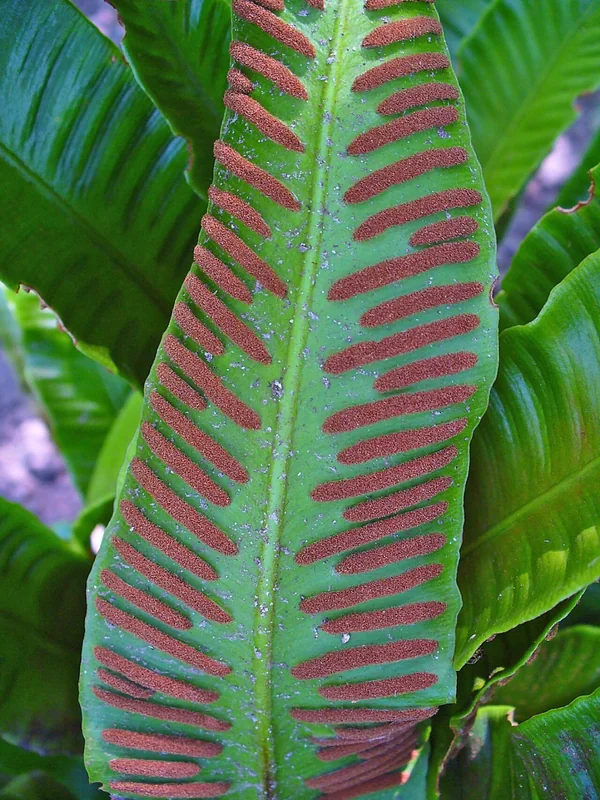 Featured photoasplenium-scolopendrium.jpg
Asplenium scolopendrium, the hart's tongue fern, is unusual among ferns in producing long, strap-shaped, undivided fronds rather than the typical divided pinnate fronds. Native to shaded, humid woodlands and limestone rock crevices across Europe and Asia, its glossy, bright-green fronds can reach 50 to 60 cm and create a bold, architectural display in shaded indoor spaces. It is one of the most shade-tolerant and cold-hardy ferns suitable for indoor growing.
Care facts at a glance
- Light
- Medium light
- Water
- Keep the soil evenly moist but not waterlogged; water when the top 2 cm has dried slightly.
- Humidity
- 55–80 %
- Temperature
- 5–24 °C
- Soil
- Humus-rich, well-draining potting mix with added bark and perlite; prefers neutral to slightly alkaline pH.
- Origin
- Moist woodland and limestone rock faces of Europe, western Asia, and North America.
- Mature size
- 30 to 60 cm tall; clumping rosette form.
Overview
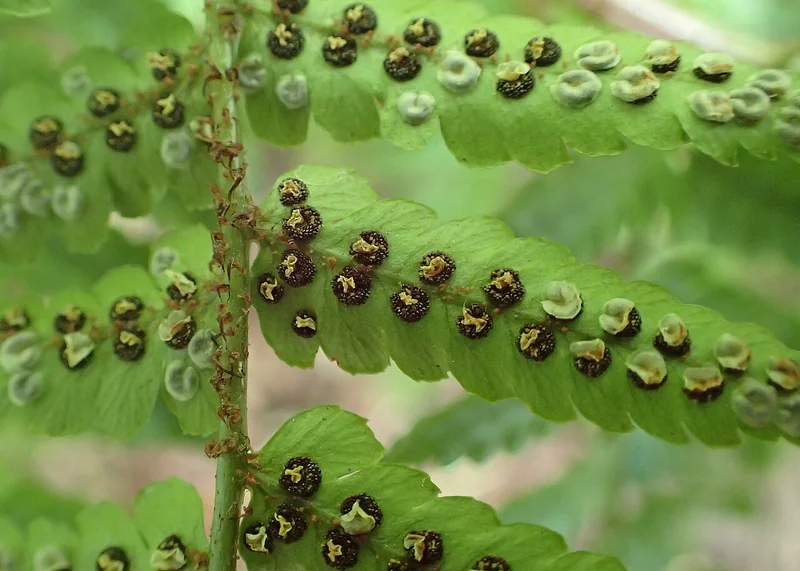
Asplenium scolopendrium was described by Linnaeus and is the only widely cultivated species of its kind — a broad-leaved, undivided spleenwort. The undersides of mature fronds are lined with distinctive linear sori arranged in a herringbone pattern parallel to the midrib, which were thought to resemble centipede legs (scolopendra). Many cultivars with crested, wavy, or ruffled frond margins have been selected and are available in specialist nurseries.
Care Priorities
- Shade or low indirect light is suitable; direct sun quickly scorches the glossy fronds.
- Keep moisture consistent — allow neither drying nor waterlogging.
- Prefers cooler temperatures than tropical ferns; 10 to 20 °C is the optimum range.
- Remove older brown fronds at the base to maintain tidiness and airflow.
Common Problems
Brown frond edges combined with dry air or direct sun are the most common problems; move to a shadier, more humid spot. Yellow fronds often indicate lime sensitivity to hard water — use rainwater or filtered water. Slug damage can occur if grown outdoors; check under older fronds and treat accordingly.
Sources & further reading (2)
- botanical-garden — accessed 2026-05-08
- encyclopedia — accessed 2026-05-08
Frequently asked questions
Why does my hart's tongue fern have undivided fronds when other ferns are divided?
A. scolopendrium is genuinely unusual in this respect. It is an evolutionary adaptation to its native habitat of dense shade and high humidity, where large, unbroken leaf surfaces capture diffuse light more efficiently.
Can it grow in a shaded bathroom?
Yes — it is one of the best ferns for bathrooms with indirect light from a skylight or frosted window. High humidity from bathing and moderate indirect light suit it well.
Is there a difference between European and American forms?
The American form (var. americanum) is sometimes treated as a distinct species. Both are similar in cultivation but the American form tends to be slightly smaller.