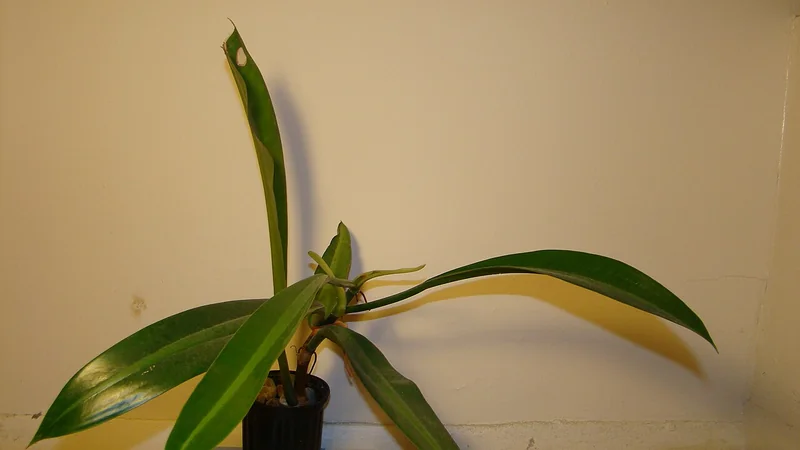
Philodendron riparium
Philodendron riparium Care Guide: Thriving Indoors
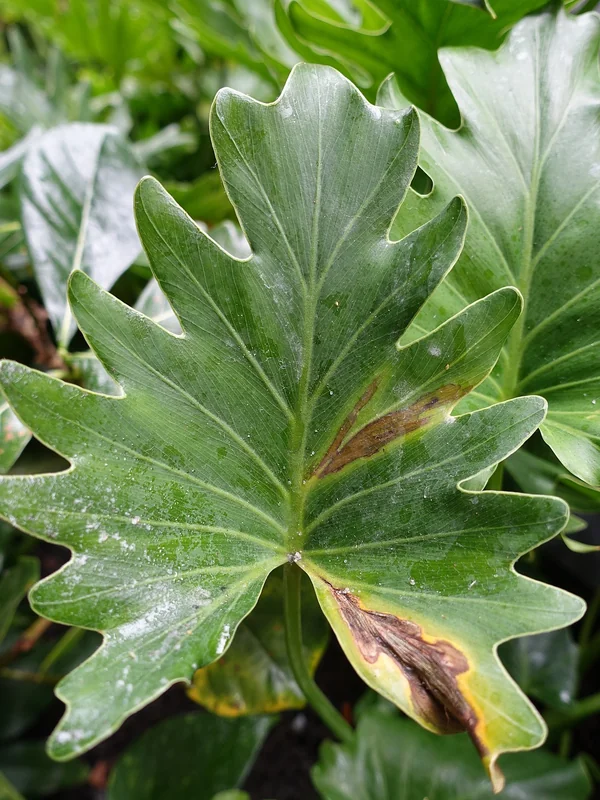 Featured photophilodendron-riparium.jpg
The Philodendron riparium is a charming aroid known for its attractive foliage and vining habit. Native to South American riverbanks, it's a relatively easy-care houseplant for those who can provide consistent humidity. This guide will help you understand its specific needs for light, water, and temperature to ensure it flourishes in your home. With the right conditions, it can become a beautiful trailing or climbing specimen.
Care facts at a glance
- Light
- Bright indirect
- Water
- Water thoroughly when the top inch or two of soil feels dry to the touch, ensuring the pot has good drainage.
- Humidity
- 60–80 %
- Temperature
- 18–29 °C
- Soil
- A well-draining, airy potting mix is essential for Philodendron riparium. An ideal blend includes components like coco coir or peat moss for moisture retention, mixed with perlite and orchid bark to ensure excellent aeration and drainage. This mimics its natural habitat and prevents waterlogging.
- Origin
- Native to tropical regions of South America, Philodendron riparium is found growing along riverbanks and in other riparian habitats, which is reflected in its species name.
- Mature size
- Indoors, Philodendron riparium can grow to trail or climb several feet (1-2 meters) in length, depending on the support provided and overall growing conditions.
Overview
Philodendron riparium is a lesser-known but charming member of the Philodendron genus, native to the riparian zones of South America. Its name "riparium" directly refers to its natural habitat along riverbanks. This plant is appreciated for its attractive, often elongated leaves and its vining or climbing growth habit. It can make a lovely addition to an indoor plant collection, especially for those who enjoy aroid species.
Care Priorities
- Light: Bright, indirect light is crucial to prevent leggy growth or scorched leaves.
- Water: Allow the topsoil to dry out between waterings to avoid root rot.
- Humidity: High humidity mimics its natural tropical environment and promotes lush growth.
- Soil: Use a well-draining, airy aroid mix.
Common Problems
Yellowing leaves often indicate overwatering or nutrient deficiency. Brown, crispy leaf edges usually point to low humidity or underwatering. Leggy growth suggests insufficient light, causing the plant to stretch. Regularly inspect your plant for pests, especially on the undersides of leaves, to catch infestations early and prevent them from spreading.
Sources & further reading (3)
- encyclopedia — accessed 2026-04-24
- dataset — accessed 2026-04-24
- botanical-garden — accessed 2024-07-30
Frequently asked questions
How do I know when to water my Philodendron riparium?
Feel the top inch or two of the soil; if it's dry to the touch, it's time to water thoroughly until water drains from the bottom of the pot.
Why are my Philodendron riparium leaves turning yellow?
Yellowing leaves are often a sign of overwatering, but can also indicate a lack of nutrients, too much direct sunlight, or even natural aging of older leaves.
Does Philodendron riparium need high humidity?
Yes, it thrives in high humidity, ideally above 60%, to mimic its native tropical environment. Low humidity can lead to brown, crispy leaf edges.
What kind of soil is best for Philodendron riparium?
A well-draining, airy aroid mix is ideal. This typically includes components like coco coir or peat moss, perlite, and orchid bark to ensure good aeration and drainage.