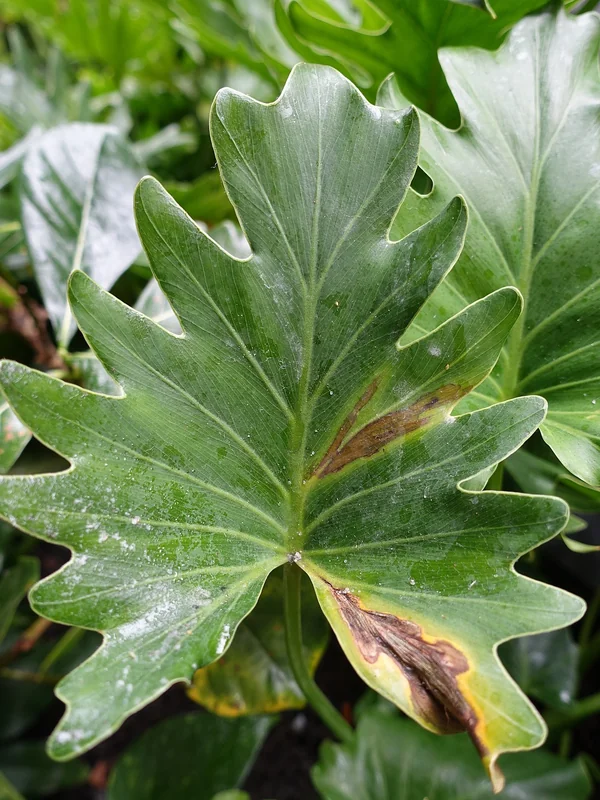
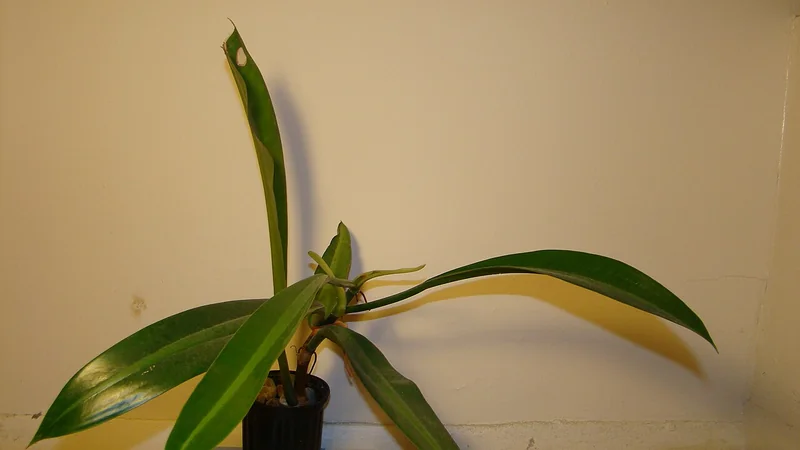
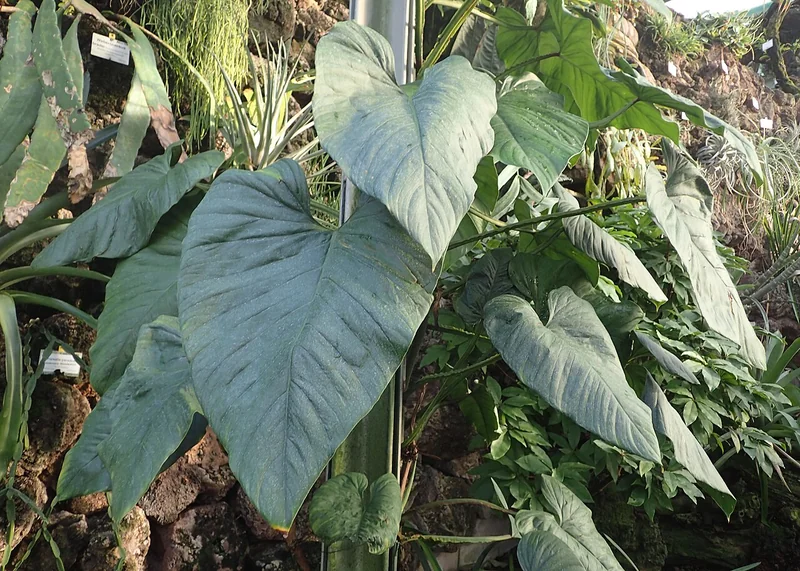
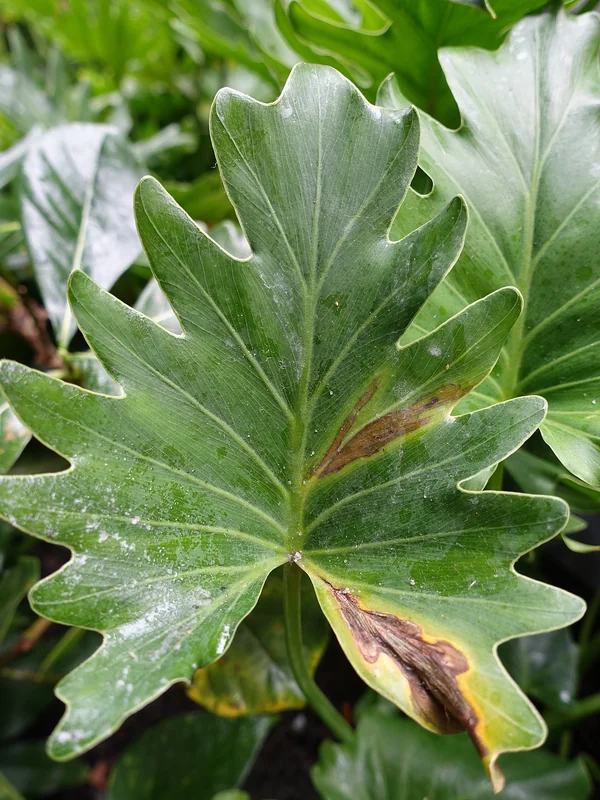
Philodendron nanegalense
Philodendron nanegalense Care Guide: A Rare Aroid for Your Home
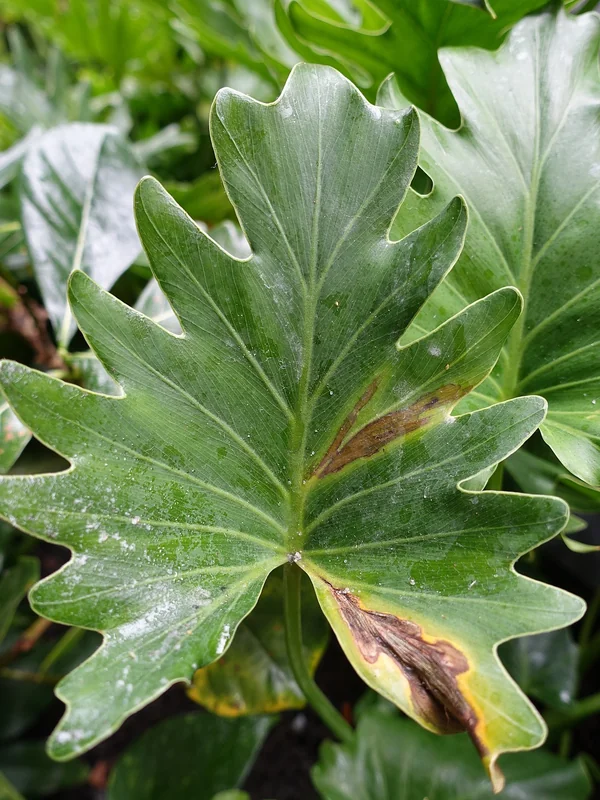 Featured photophilodendron-nanegalense.jpg
Philodendron nanegalense is a beautiful, lesser-known aroid from the cloud forests of Ecuador, prized for its unique foliage. Like many Philodendrons, it thrives in conditions that mimic its tropical origins, preferring warmth, high humidity, and bright, indirect light. This guide will help you understand its specific needs, from watering to soil, to keep your plant flourishing. It's a rewarding plant for those who appreciate rare and exotic houseplants.
Care facts at a glance
- Light
- Bright indirect
- Water
- Water thoroughly when the top 1-2 inches of soil feel dry to the touch, allowing excess water to drain completely.
- Humidity
- 60–80 %
- Temperature
- 18–29 °C
- Soil
- Use a well-draining, airy potting mix rich in organic matter. A good blend includes equal parts peat moss or coco coir, perlite, and orchid bark to ensure proper aeration and drainage, mimicking its epiphytic nature.
- Origin
- Native to the cloud forests of the Nanegal region in Ecuador, where it grows as an epiphyte or hemiepiphyte.
- Mature size
- Indoors, vines can reach several feet (1-2 meters) in length, with leaves growing up to 12-18 inches (30-45 cm) long under ideal conditions.
Overview
Philodendron nanegalense is a stunning tropical plant from the Araceae family, known for its large, deeply lobed, and often iridescent leaves. Hailing from the humid cloud forests of Ecuador, it's a relatively rare find in cultivation but highly sought after by collectors. Its climbing nature means it benefits from a moss pole or trellis to support its aerial roots and encourage larger leaf development.
Care Priorities
To keep your Philodendron nanegalense thriving, focus on these key areas:
- Humidity: Provide high humidity (60-80%) using a humidifier or pebble tray.
- Light: Bright, indirect light is crucial; avoid direct sun which can scorch leaves.
- Watering: Water consistently when the topsoil is dry, but never let it sit in soggy conditions.
- Support: Offer a moss pole or similar structure for its climbing habit.
Common Problems
Yellowing leaves can indicate overwatering or nutrient deficiency, while brown, crispy edges often point to low humidity or underwatering. Pests like spider mites and mealybugs can be an issue, especially in dry conditions; inspect your plant regularly. Root rot is a common problem if the soil stays too wet, so ensure excellent drainage and proper watering practices.
Sources & further reading (3)
- encyclopedia — accessed 2026-04-24
- dataset — accessed 2026-04-24
- botanical-garden — accessed 2024-07-30
Frequently asked questions
How do I increase humidity for my Philodendron nanegalense?
You can increase humidity by using a room humidifier, placing the plant on a pebble tray filled with water, or grouping it with other humidity-loving plants. Misting can offer temporary relief but is less effective for long-term humidity.
Why are the leaves on my Philodendron nanegalense turning yellow?
Yellowing leaves are often a sign of overwatering, which can lead to root rot. Ensure your potting mix drains well and you're not watering too frequently. It can also be a sign of nutrient deficiency, so check your fertilizing schedule.
Does Philodendron nanegalense need a moss pole?
While not strictly necessary, providing a moss pole or trellis will greatly benefit your Philodendron nanegalense. As a climbing plant, it uses aerial roots to attach to surfaces, and a pole encourages larger leaf growth and a more natural, upright habit.