Philodendron chimboanum
Philodendron chimboanum Care Guide
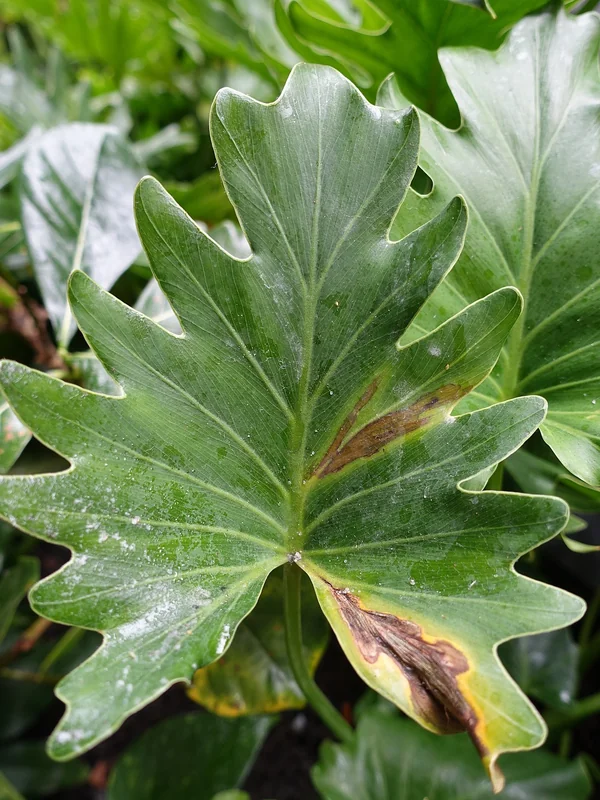 Featured photophilodendron-chimboanum.jpg
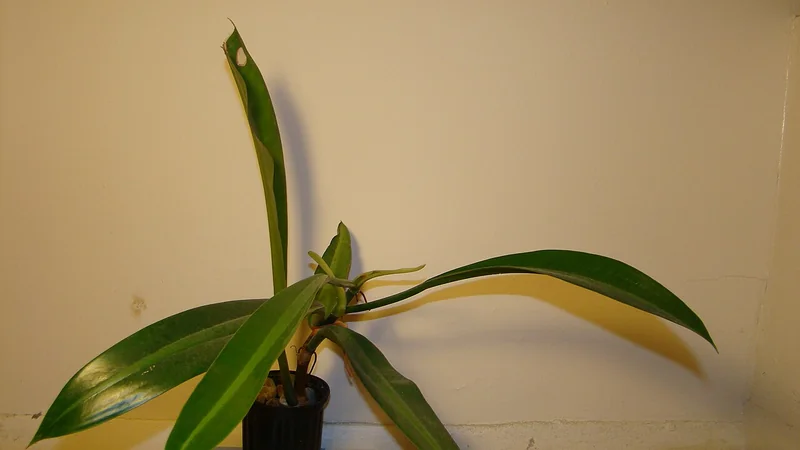
The Philodendron chimboanum is a beautiful tropical plant known for its attractive foliage, native to Ecuador. It thrives indoors with the right conditions, making it a rewarding addition to any plant collection. This guide will help you understand its specific needs, including light, water, and humidity, to ensure it grows healthy and vibrant.
Care facts at a glance
- Light
- Bright indirect
- Water
- Water thoroughly when the top 1-2 inches of soil feel dry to the touch. Ensure excess water can drain away freely.
- Humidity
- 60–80 %
- Temperature
- 18–29 °C
- Soil
- A chunky, well-draining potting mix is essential. An ideal blend includes orchid bark, perlite, and coco coir to provide aeration and retain some moisture without becoming waterlogged. Avoid heavy, dense soils.
- Origin
- Native to the tropical rainforests of Ecuador, where it grows as an understory plant.
- Mature size
- Indoors, it can reach several feet in length, often growing as a climbing or trailing plant with leaves up to 30 cm (12 inches) long.
Overview
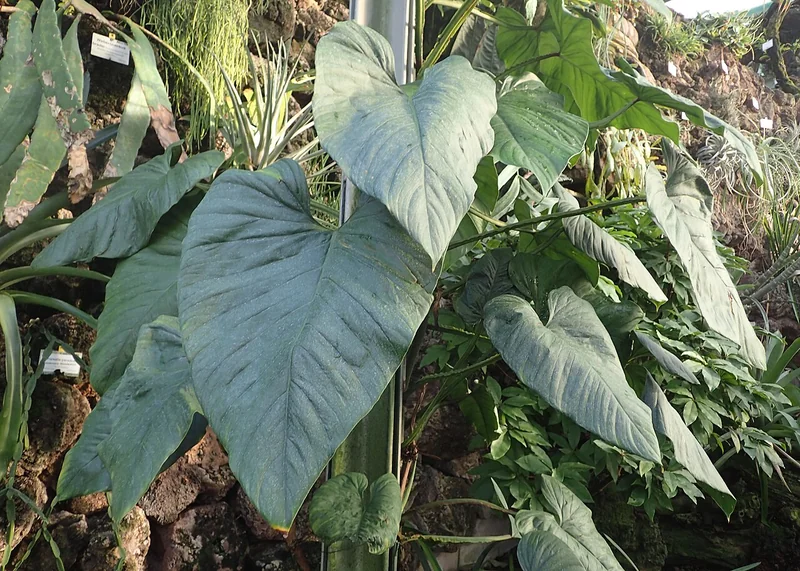
Philodendron chimboanum is a striking tropical plant from the rainforests of Ecuador, prized for its unique foliage. Its leaves can vary, often displaying a velvety texture or interesting patterns, making it a favorite among aroid collectors. As a member of the Araceae family, it shares many care requirements with other Philodendrons, thriving in warm, humid environments. This plant can grow as a climber, benefiting from support as it matures.
Care Priorities
To keep your Philodendron chimboanum happy, focus on these key areas:
- Light: Provide bright, indirect light. Avoid direct sun, which can scorch its leaves.
- Water: Water when the top soil is dry, but don't let it sit in soggy conditions.
- Humidity: High humidity (60-80%) is crucial for healthy growth and to prevent leaf issues.
- Soil: Use a well-draining, airy mix designed for aroids.
- Temperature: Keep temperatures consistently warm, between 18-29°C (65-85°F).
Common Problems
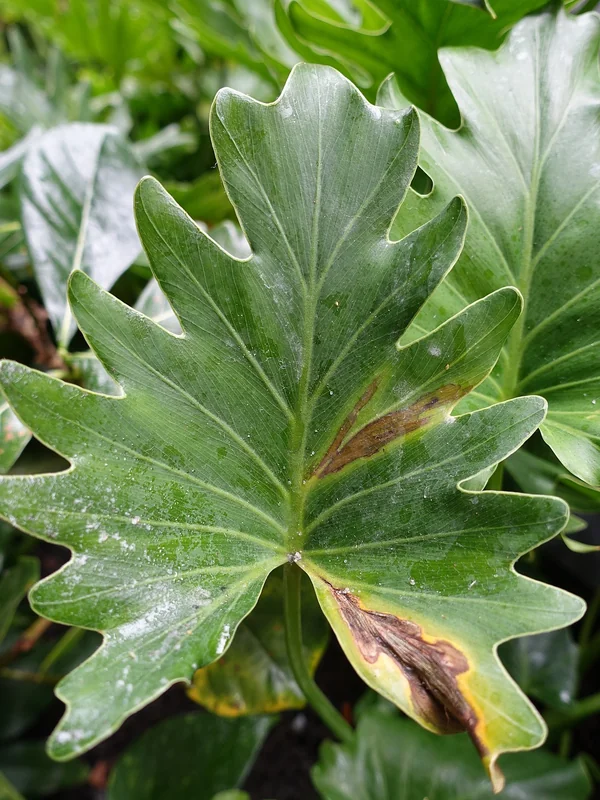
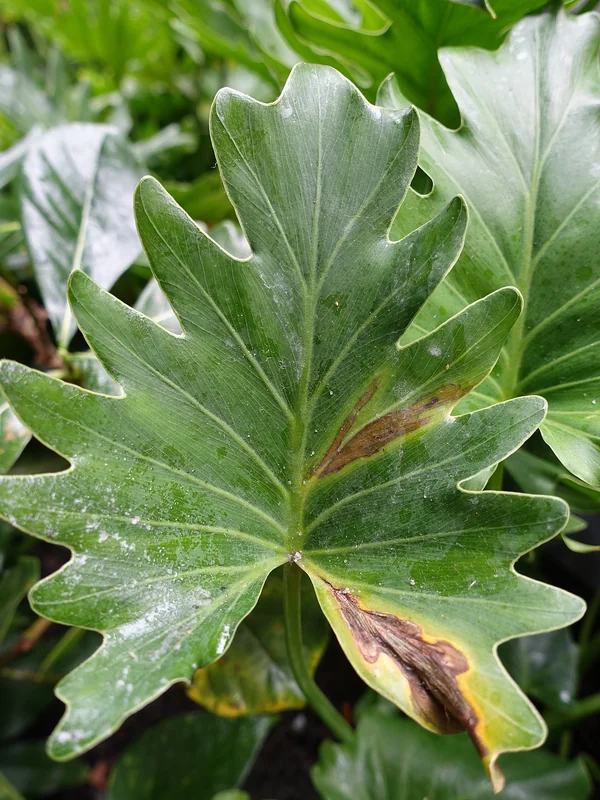
Overwatering is a common issue, leading to root rot and yellowing leaves; always check soil moisture before watering. Low humidity can cause leaf edges to brown and crisp, and also makes the plant more susceptible to spider mites. Keep an eye out for common houseplant pests like mealybugs and aphids, especially on new growth or leaf undersides. Prompt treatment with insecticidal soap can help manage infestations.
Sources & further reading (3)
- encyclopedia — accessed 2026-04-24
- dataset — accessed 2026-04-24
- botanical-garden — accessed 2024-07-30
Frequently asked questions
Why are the leaves of my Philodendron chimboanum turning yellow?
Yellowing leaves often indicate an issue with watering. It could be due to overwatering, which leads to root rot, or underwatering, causing stress. Check the soil moisture carefully before adjusting your watering schedule.
How can I provide enough humidity for my Philodendron chimboanum?
To increase humidity, you can use a pebble tray filled with water, mist the leaves regularly (though this offers temporary relief), or place a humidifier nearby. Grouping plants together can also create a microclimate with higher humidity.
Does Philodendron chimboanum need a moss pole or support?
Yes, Philodendron chimboanum is a climbing plant in its natural habitat. Providing a moss pole or other climbing support will encourage larger leaf growth and a more upright, natural appearance as it matures.
What kind of soil is best for this plant?
A well-draining, airy aroid mix is ideal. This typically includes components like orchid bark, perlite, and coco coir, which prevent compaction and allow roots to breathe while retaining adequate moisture.