Philodendron crassinervium
Philodendron crassinervium Care Guide: The Ribbed Philodendron
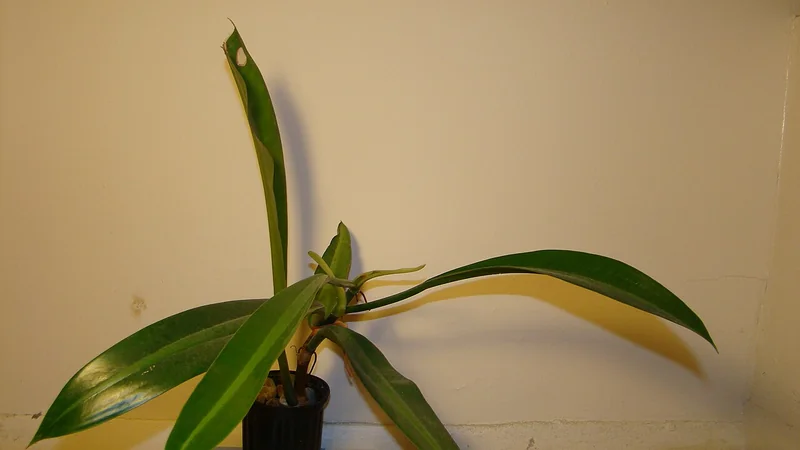 Featured photophilodendron-crassinervium.jpg
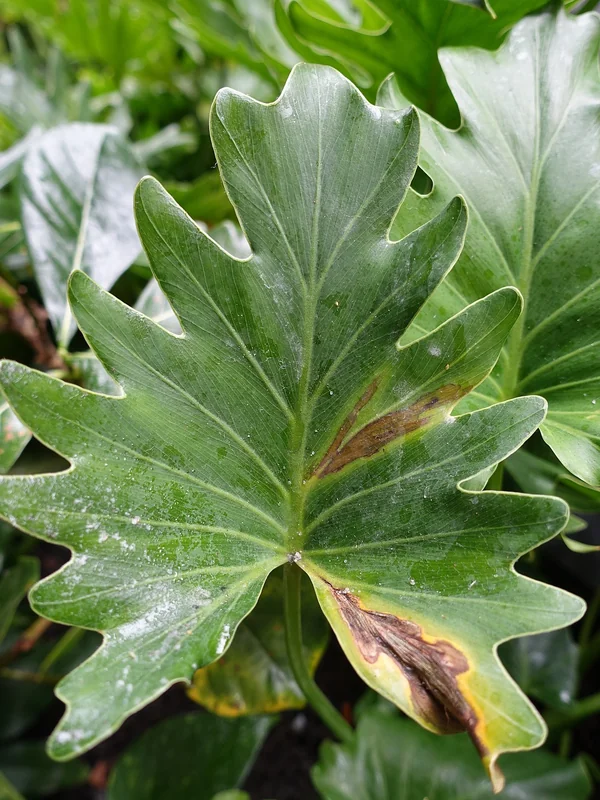
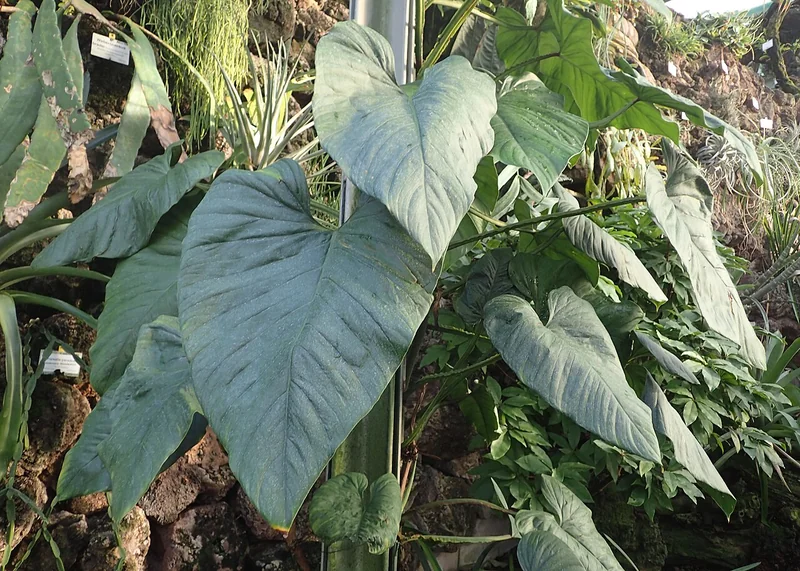
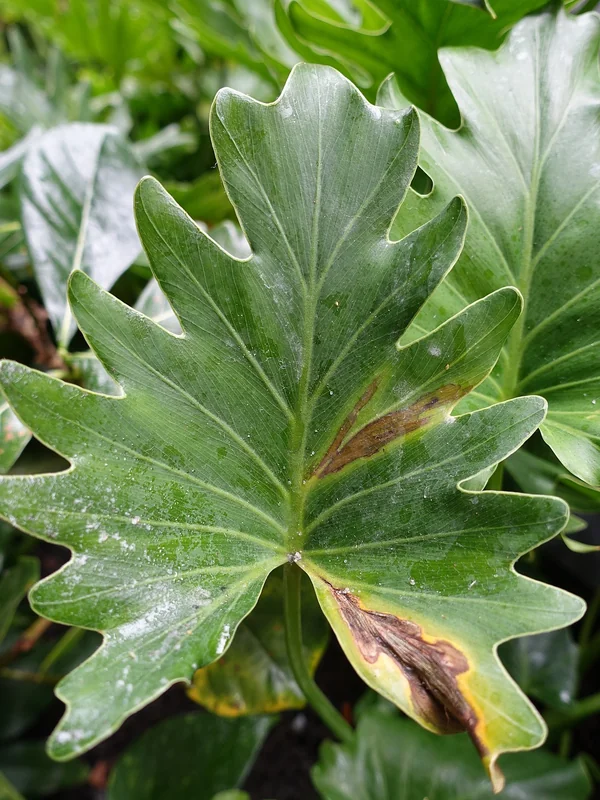
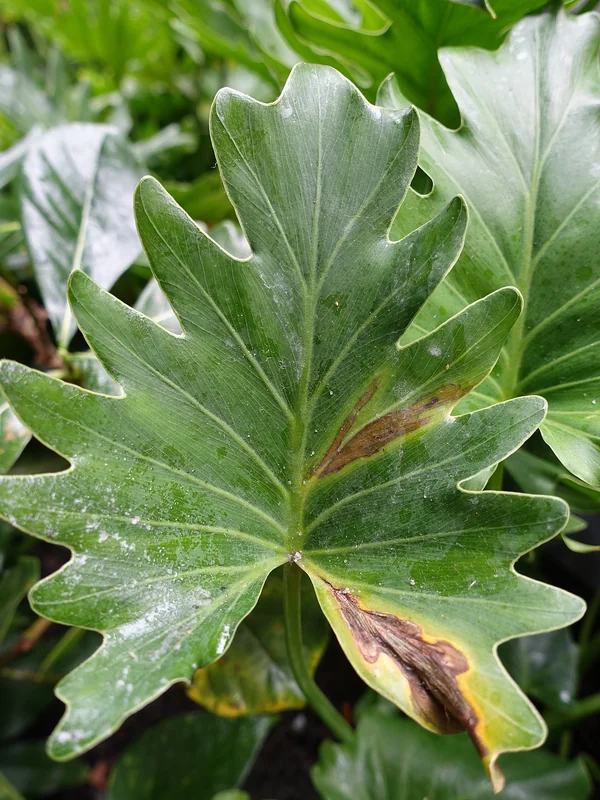
The Philodendron crassinervium is a unique tropical plant known for its striking, deeply ribbed leaves. Native to Brazil, it makes an excellent houseplant for those who appreciate its distinctive texture. With proper bright, indirect light and consistent moisture, this plant can bring a touch of the rainforest to your home. It's a relatively straightforward plant to care for, making it suitable for many indoor gardeners.
Care facts at a glance
- Light
- Bright indirect
- Water
- Water when the top 1-2 inches of soil feel dry to the touch, ensuring the pot has good drainage to prevent root rot.
- Humidity
- 60–80 %
- Temperature
- 18–29 °C
- Soil
- Use a well-draining, airy potting mix rich in organic matter. An aroid mix containing bark, perlite, and coco coir or peat moss is ideal to prevent waterlogging and promote healthy root growth.
- Origin
- Native to the Atlantic Forest biome of southeastern Brazil, where it typically grows as an epiphyte (on other plants) or hemiepiphyte (starting on the ground and climbing).
- Mature size
- Indoors, it can reach 3-6 feet (1-2 meters) in length, often with a climbing or trailing habit. Leaf size can increase significantly with a support pole.
Overview
The Philodendron crassinervium is a fascinating member of the Araceae family, known for its unique, deeply ribbed leaves that give it a distinctive texture. These prominent veins are what give it the common name 'Ribbed Philodendron.' It's a tropical plant that can add an exotic touch to any indoor plant collection, growing as a climber or trailing plant.
Care Priorities
To keep your Philodendron crassinervium happy, focus on these key areas:
- Light: Bright, indirect light is crucial for vibrant growth.
- Water: Keep the soil consistently moist but never soggy.
- Humidity: High humidity (60-80%) mimics its natural habitat.
- Support: Provide a moss pole or trellis for it to climb and encourage larger leaves.
Common Problems
Yellowing leaves often indicate overwatering or a nutrient deficiency. Brown, crispy leaf edges usually point to low humidity. Watch out for common pests like spider mites and mealybugs, especially if humidity is low. Inspect your plant regularly and treat any infestations promptly with appropriate horticultural sprays.
Sources & further reading (3)
- encyclopedia — accessed 2026-04-24
- dataset — accessed 2026-04-24
- botanical-garden — accessed 2024-05-15
Frequently asked questions
Why are the leaves on my Philodendron crassinervium turning yellow?
Yellowing leaves often signal overwatering, which can lead to root rot. Ensure your pot has good drainage and allow the top soil to dry out between waterings. It could also indicate a nutrient deficiency, so consider a balanced fertilizer during the growing season.
How can I increase humidity for my Philodendron crassinervium?
To boost humidity, you can place your plant on a pebble tray filled with water (make sure the pot isn't sitting directly in the water). Grouping plants together or using a room humidifier are also effective methods to create a more humid environment.
Does Philodendron crassinervium need a moss pole?
While not strictly necessary, providing a moss pole or trellis will encourage your Philodendron crassinervium to climb. This mimics its natural growth habit and can lead to larger, more mature leaves with better form.
Is Philodendron crassinervium safe to touch?
Yes, it is generally safe to touch the leaves and stems. However, the plant contains calcium oxalate crystals, so it's best to wash your hands after handling, especially if you come into contact with any sap, and always prevent ingestion by humans or pets.
How often should I repot my Philodendron crassinervium?
Repot your Philodendron crassinervium every 1-2 years, or when you notice it becoming root-bound (roots growing out of drainage holes or circling the pot). Spring is the best time to repot, giving the plant time to adjust during its active growth phase.