Philodendron ernestii
Philodendron ernestii Care Guide: Cut-Leaf Philodendron
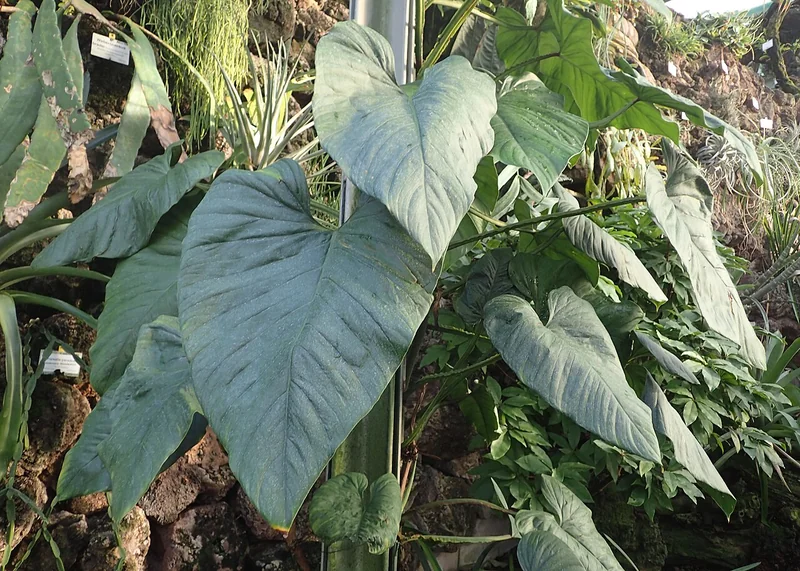 Featured photophilodendron-ernestii.jpg
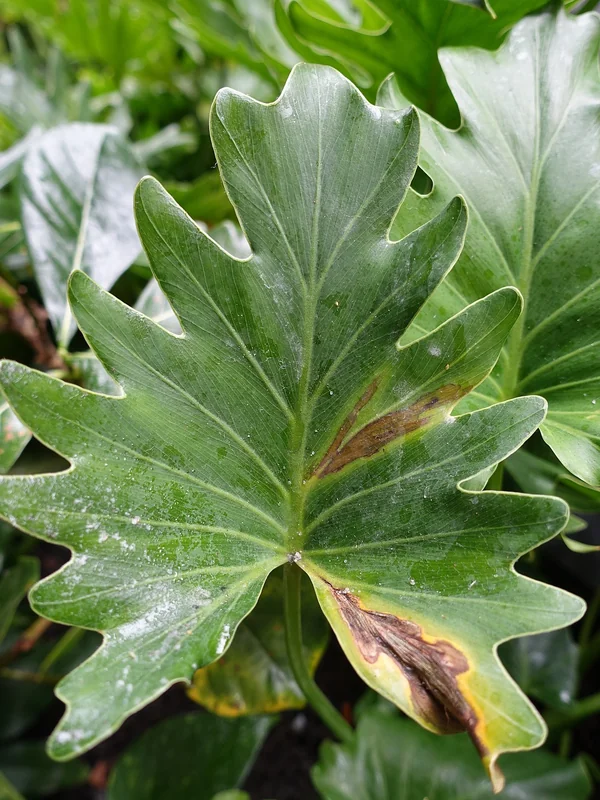
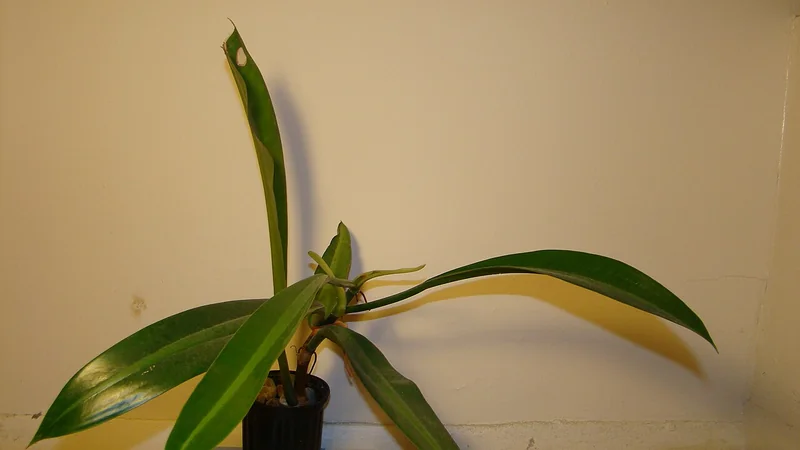
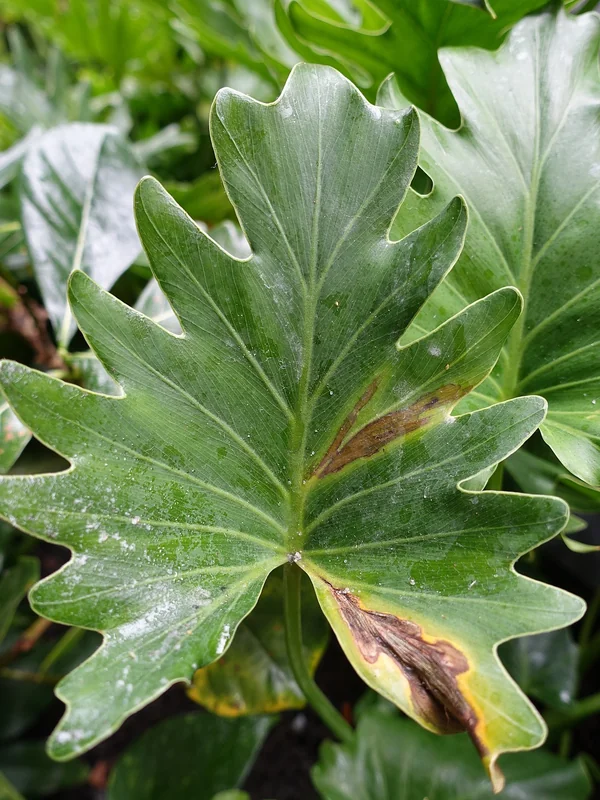
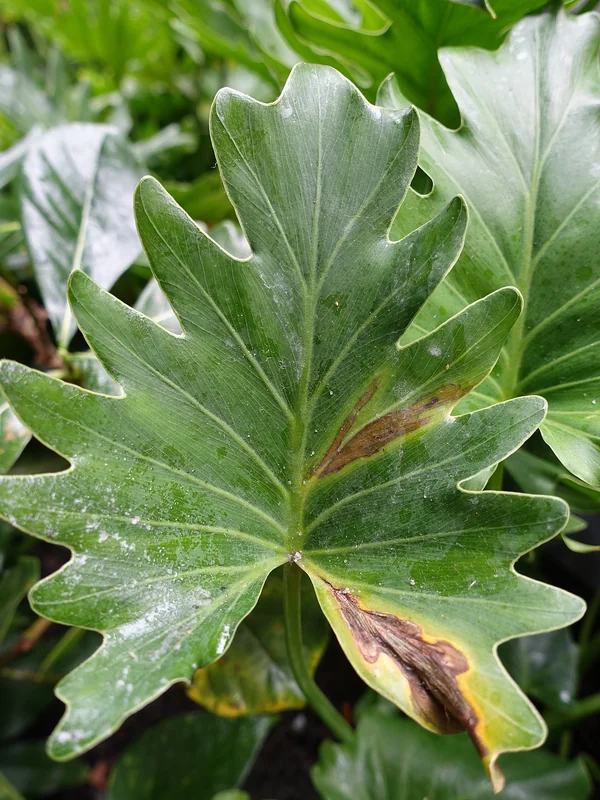
Philodendron ernestii, sometimes called the Cut-Leaf Philodendron, is a tropical vining plant cherished for its large, deeply lobed leaves. It's a relatively easy-care houseplant that adds a lush, exotic feel to any indoor space. Provide it with bright, indirect light and consistent moisture to encourage healthy growth and impressive foliage.
Care facts at a glance
- Light
- Bright indirect
- Water
- Water your Philodendron ernestii when the top 1-2 inches of soil feel dry to the touch.
- Humidity
- 60–80 %
- Temperature
- 18–29 °C
- Soil
- A well-draining, airy potting mix is essential for Philodendron ernestii. An aroid mix containing components like peat moss or coco coir, perlite, and orchid bark or coarse pumice provides good aeration and moisture retention without becoming waterlogged.
- Origin
- Native to the tropical rainforests of Central and South America, particularly found in countries like Brazil and Peru.
- Mature size
- Indoors, this vining plant can reach lengths of 6-10 feet (1.8-3 meters) or more with proper support like a moss pole.
Overview
Philodendron ernestii is a captivating tropical plant known for its striking, deeply lobed leaves that develop beautiful fenestrations (natural splits) as they mature. This vining species can grow quite large indoors, making it a dramatic focal point. Its lush green foliage brings a touch of the jungle into your home, and with the right care, it can become a magnificent specimen.
Care Priorities
To ensure your Philodendron ernestii thrives, focus on these key elements:
- Light: Provide bright, indirect light. Direct sun can scorch its leaves.
- Watering: Allow the top few inches of soil to dry out between waterings. Avoid overwatering to prevent root rot.
- Humidity: As a tropical plant, it loves high humidity. Consider a humidifier or pebble tray.
- Support: Offer a moss pole or trellis for its aerial roots to climb, which encourages larger leaf development.
Common Problems
Yellowing leaves often indicate overwatering or a nutrient deficiency. Brown, crispy leaf edges usually point to low humidity or underwatering. Pests like spider mites and mealybugs can be a problem; inspect your plant regularly and treat promptly with insecticidal soap. Root rot is a common issue caused by consistently wet soil, so ensure good drainage and proper watering habits.
Sources & further reading (3)
- encyclopedia — accessed 2026-04-24
- dataset — accessed 2026-04-24
- extension — accessed 2024-07-29
Frequently asked questions
Why are my Philodendron ernestii leaves turning yellow?
Yellowing leaves are most often a sign of overwatering, which can lead to root rot. Ensure your soil drains well and allow the top layer to dry out between waterings. It can also indicate a nutrient deficiency, so consider a balanced fertilizer during the growing season.
How can I encourage my Philodendron ernestii to develop fenestrations?
Fenestrations typically appear on mature leaves when the plant receives optimal care, including bright indirect light, high humidity, and a climbing support like a moss pole. Providing these conditions helps the plant mimic its natural environment and encourages mature growth.
Does Philodendron ernestii need a moss pole?
While not strictly necessary, providing a moss pole or other climbing support can greatly benefit your Philodendron ernestii. It allows the plant's aerial roots to attach, promoting larger leaf growth and a more upright, impressive display as it matures.
How often should I fertilize my Philodendron ernestii?
During its active growing period in spring and summer, fertilize your Philodendron ernestii once a month with a diluted liquid houseplant fertilizer. Reduce or stop fertilizing in the fall and winter when the plant's growth naturally slows down.