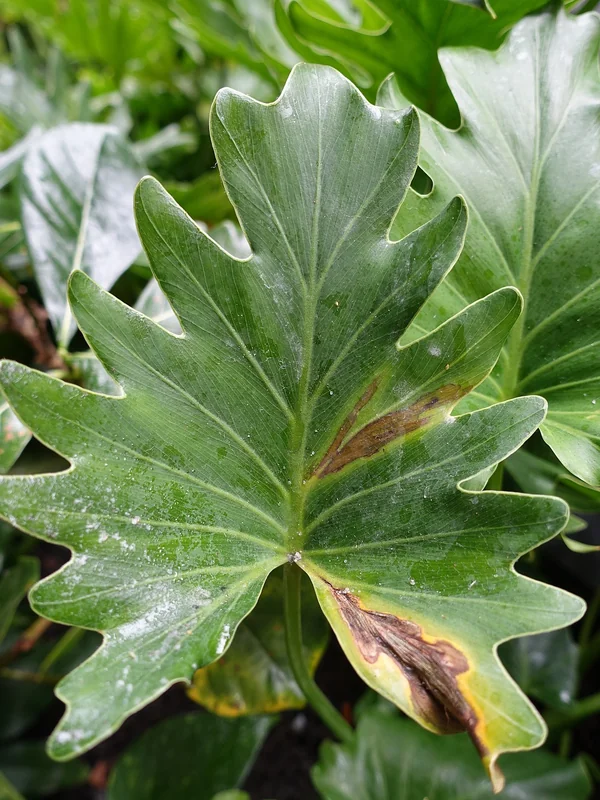
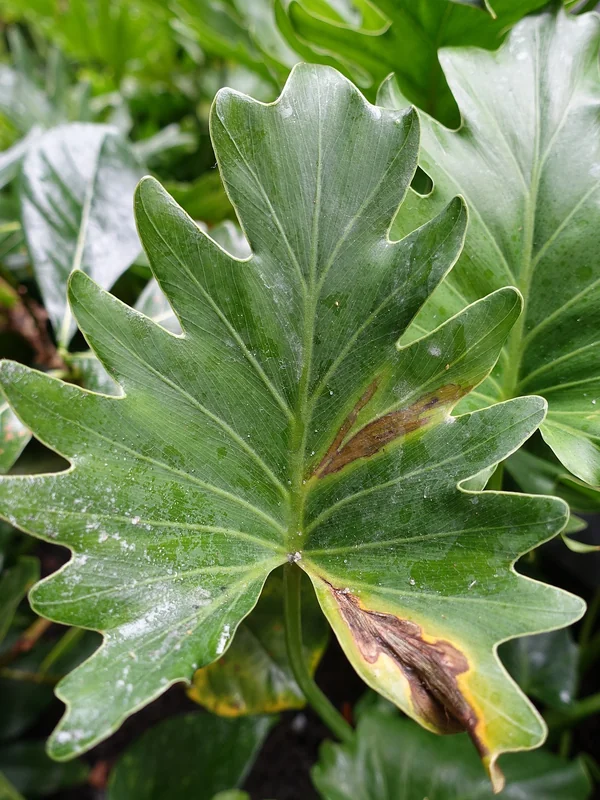
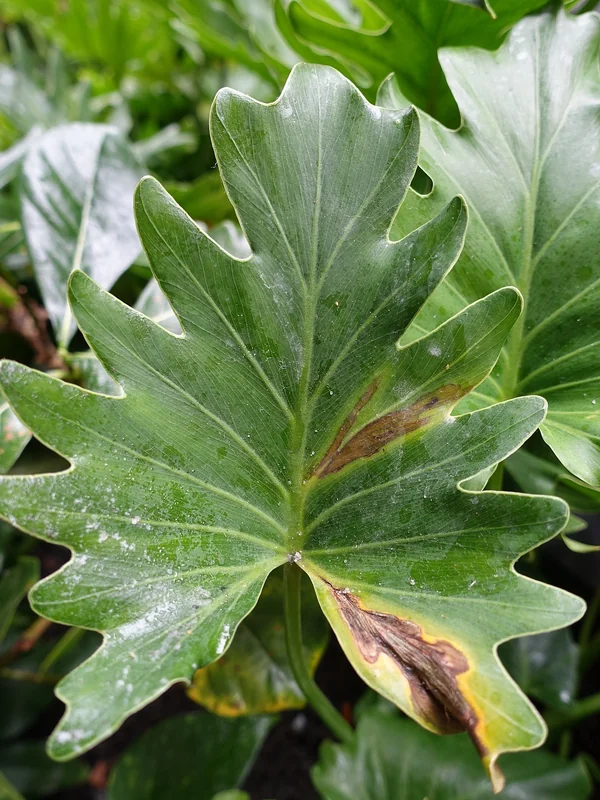
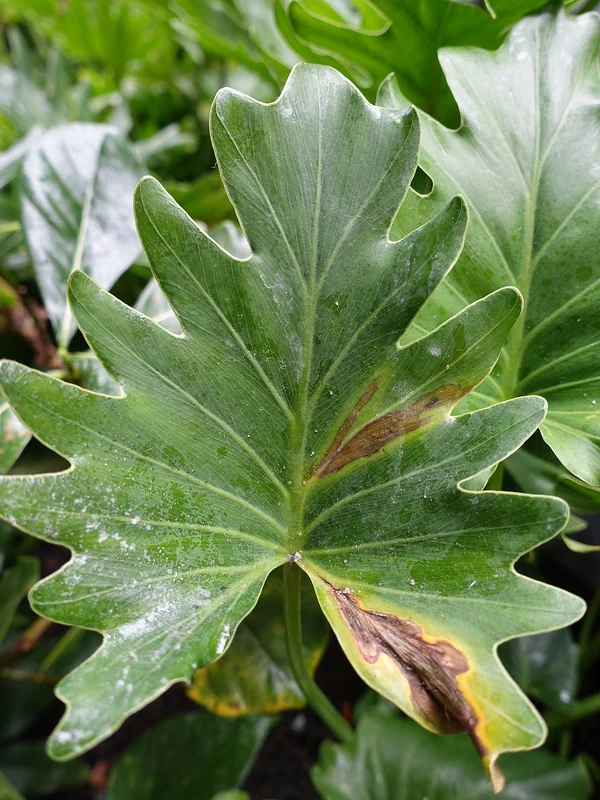
Philodendron hatschbachii
Philodendron hatschbachii Care Guide
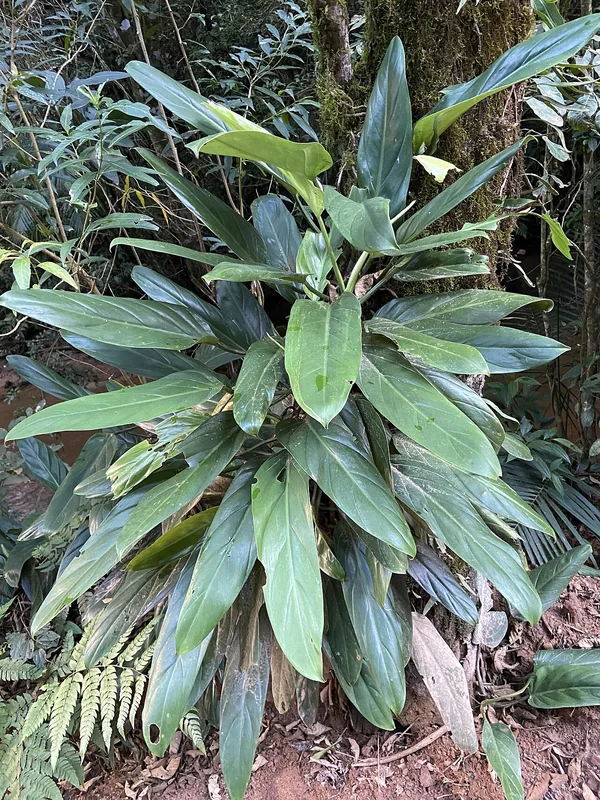 Featured photophilodendron-hatschbachii.jpg
The Philodendron hatschbachii is a beautiful tropical plant from Brazil, known for its attractive foliage. It thrives indoors with the right conditions, preferring bright, indirect light and consistent moisture. This guide will help you understand its needs, ensuring your plant stays healthy and vibrant.
Care facts at a glance
- Light
- Bright indirect
- Water
- Water thoroughly when the top 1-2 inches of soil feel dry to the touch.
- Humidity
- 60–80 %
- Temperature
- 18–29 °C
- Soil
- Use a well-draining, airy potting mix rich in organic matter, such as an aroid blend containing bark, perlite, and coco coir or peat moss.
- Origin
- Native to the tropical rainforests of Brazil.
- Mature size
- Indoors, it can grow several feet tall as a climbing vine with proper support.
Overview
The Philodendron hatschbachii is a captivating member of the Araceae family, native to the lush rainforests of Brazil. While not as commonly known as some other Philodendron species, it shares many of their desirable traits, including attractive foliage and a vining growth habit. This plant can make a wonderful addition to your indoor plant collection, bringing a touch of the tropics into your home.
Care Priorities
To ensure your Philodendron hatschbachii thrives, focus on a few key care aspects. Provide bright, indirect light, avoiding direct sun which can scorch its leaves. Water consistently, allowing the top layer of soil to dry out between waterings, and maintain high humidity levels, ideally above 60%. A well-draining soil mix and consistent warm temperatures will also contribute to its health.
Common Problems
Yellowing leaves often signal overwatering or nutrient issues, while browning leaf tips can indicate low humidity or underwatering. Keep an eye out for common houseplant pests like spider mites and mealybugs, especially if humidity is low. Root rot is a risk if the plant sits in soggy soil, so ensure good drainage and proper watering practices.
Sources & further reading (4)
- encyclopedia — accessed 2026-04-24
- dataset — accessed 2026-04-24
- botanical-garden — accessed 2024-07-30
- botanical-garden — accessed 2024-07-30
Frequently asked questions
How do I know when to water my Philodendron hatschbachii?
Check the top 1-2 inches of soil; if it feels dry to the touch, it's time to water thoroughly.
Does Philodendron hatschbachii need high humidity?
Yes, it thrives in high humidity, ideally between 60-80%, mimicking its natural tropical environment.
What kind of soil is best for Philodendron hatschbachii?
A well-draining aroid mix with components like bark, perlite, and coco coir or peat moss is ideal to prevent waterlogging.
Why are my Philodendron leaves turning yellow?
Yellowing leaves can indicate several issues, most commonly overwatering, but also underwatering or nutrient deficiencies. Assess your watering schedule and soil moisture first.