Philodendron billietiae
Philodendron billietiae Care Guide
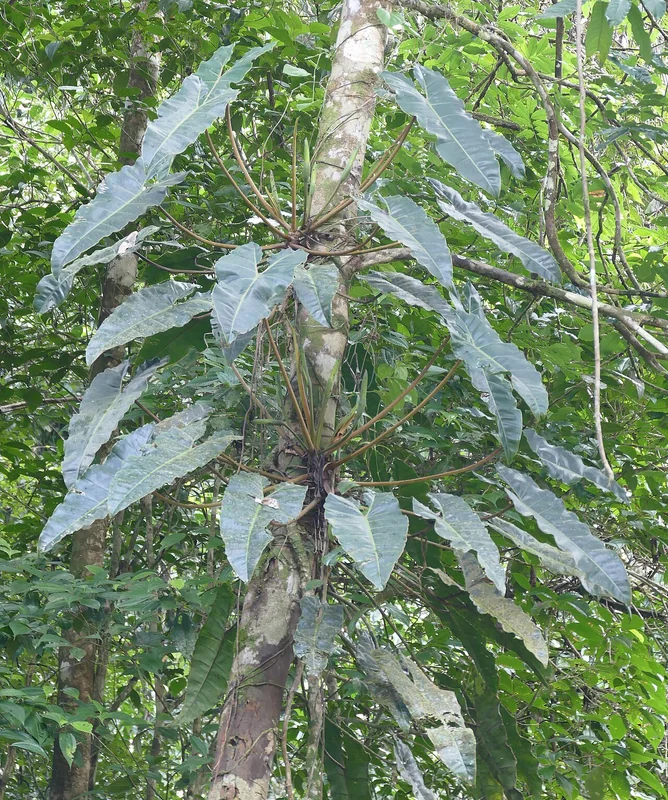 Featured photophilodendron-billietiae.jpg
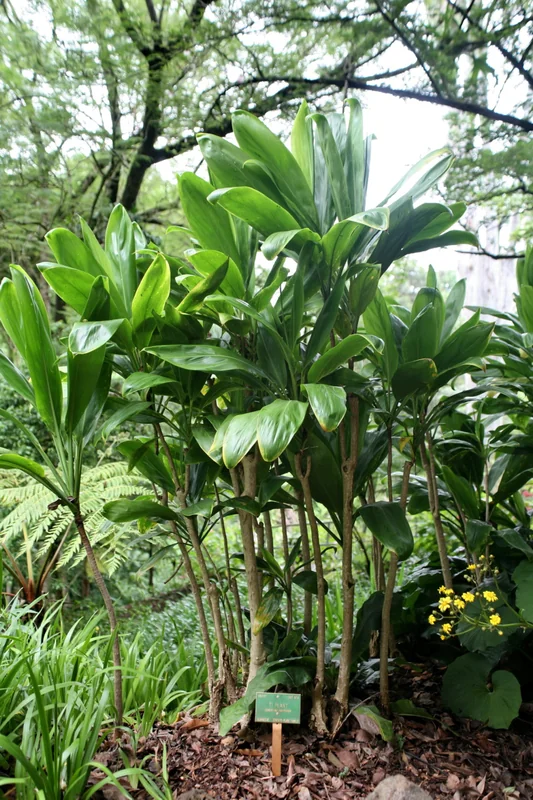
The Philodendron billietiae is a stunning tropical plant known for its long, strap-like, glossy green leaves and distinctive orange petioles. Native to the rainforests of South America, it thrives in warm, humid conditions with bright, indirect light. This vining aroid makes a beautiful statement piece in any indoor plant collection, requiring consistent moisture and a well-draining soil mix to flourish. Its unique appearance and relatively straightforward care make it a favorite among plant enthusiasts.
Care facts at a glance
- Light
- Bright indirect
- Water
- Water when the top 1-2 inches of soil feel dry to the touch, ensuring the soil remains consistently moist but never waterlogged.
- Humidity
- 60–80 %
- Temperature
- 18–29 °C
- Soil
- Use a well-draining, airy aroid mix rich in organic matter, such as a blend of orchid bark, perlite, coco coir, and a small amount of potting soil or worm castings.
- Origin
- Native to the tropical rainforests of French Guiana and Brazil.
- Mature size
- Indoors, vines can reach 3-6 feet (1-2 meters) long, with leaves growing up to 2-3 feet (60-90 cm) in length.
Overview
Philodendron billietiae is a striking tropical plant from the Araceae family, celebrated for its long, ribbed, glossy green leaves and distinctive orange petioles. This vining aroid is native to the humid rainforests of French Guiana and Brazil, where it climbs trees to reach dappled light. Indoors, it makes a dramatic statement piece, bringing a touch of the jungle to your home. Its unique appearance and relatively straightforward care make it a favorite among plant enthusiasts.
Care Priorities
To keep your Philodendron billietiae thriving, focus on providing bright, indirect light and high humidity. Water consistently, allowing the top layer of soil to dry slightly between waterings, but never letting it dry out completely. Use a chunky, well-draining aroid mix to prevent root rot. Support its vining growth with a moss pole or trellis to encourage larger leaves.
Common Problems
The most common issue for Philodendron billietiae is root rot, usually caused by overwatering or poorly draining soil. Yellowing leaves can indicate overwatering, while crispy brown edges suggest low humidity or underwatering. Keep an eye out for common houseplant pests like spider mites and mealybugs, especially in dry conditions. Prompt treatment is key to preventing infestations from spreading.
Sources & further reading (4)
- encyclopedia — accessed 2026-04-24
- dataset — accessed 2026-04-24
- botanical-garden — accessed 2024-07-30
- botanical-garden — accessed 2024-07-30
Frequently asked questions
How do I know when to water my Philodendron billietiae?
Water when the top 1-2 inches of soil feel dry to the touch. Stick your finger into the soil or use a moisture meter to check.
What kind of light does Philodendron billietiae need?
It thrives in bright, indirect light. Avoid direct sunlight, which can scorch its leaves, and too little light, which can lead to leggy growth.
How can I increase humidity for my plant?
You can use a humidifier near the plant, place it on a pebble tray with water, or group it with other humidity-loving plants.
Why are my Philodendron billietiae leaves turning yellow?
Yellowing leaves often indicate overwatering or poor drainage. Ensure your pot has drainage holes and your soil mix is airy. It could also be a sign of nutrient deficiency or too much direct light.