Philodendron fibrosum
Philodendron fibrosum Care Guide: Velvet Leaf Philodendron
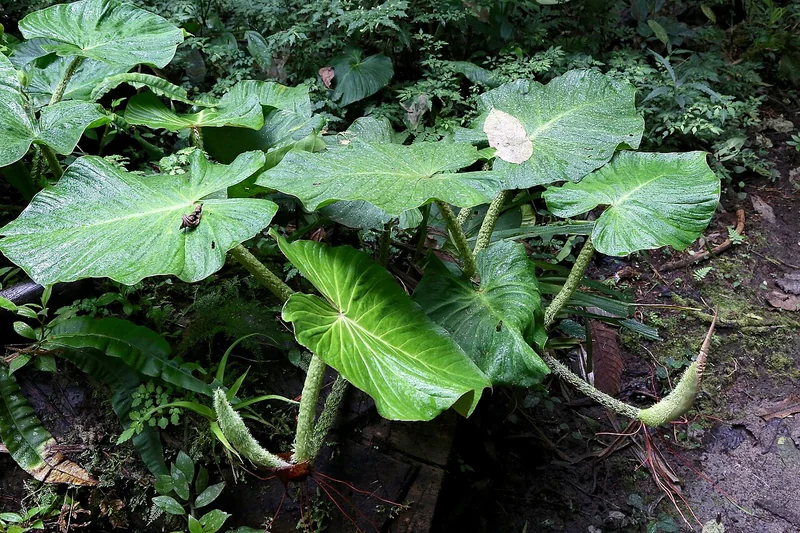 Featured photophilodendron-fibrosum.jpg
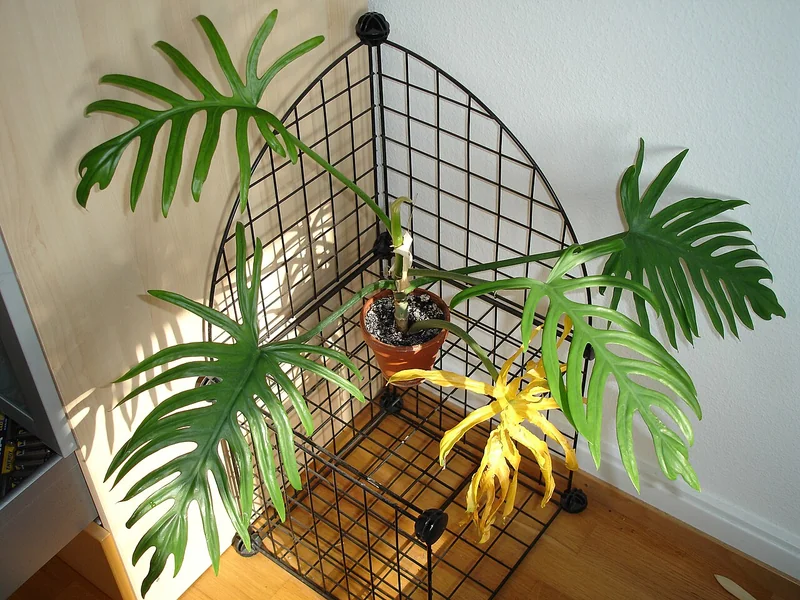
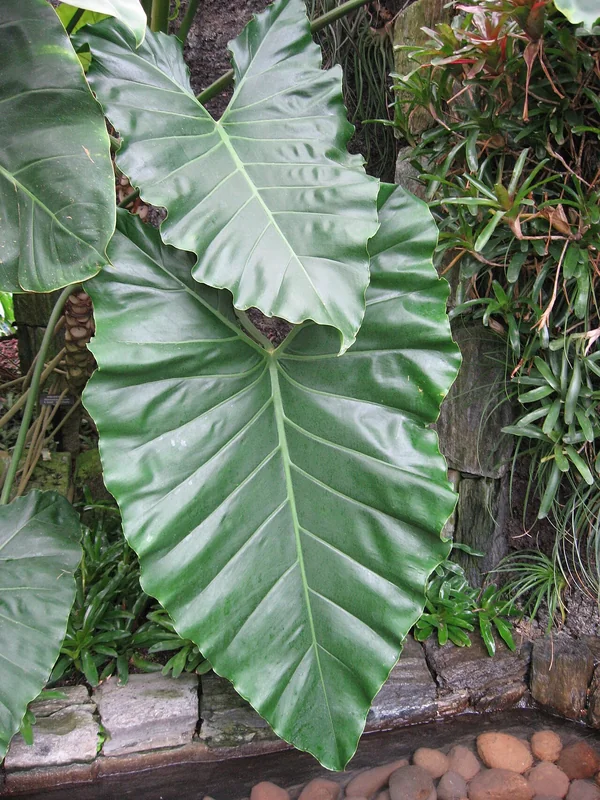
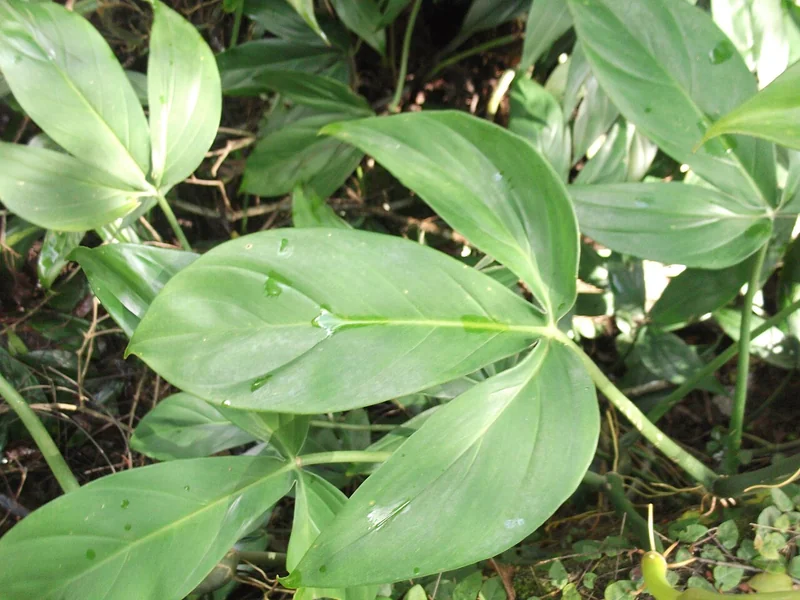
Philodendron fibrosum is a sought-after aroid known for its beautiful, velvety leaves with prominent white veins. This plant thrives in warm, humid conditions and bright, indirect light, making it a rewarding addition to a tropical indoor garden. Proper care ensures its lush foliage and unique texture will be a focal point in your home.
Care facts at a glance
- Light
- Bright indirect
- Water
- Water when the top 1-2 inches of soil feel dry to the touch.
- Humidity
- 60–80 %
- Temperature
- 18–27 °C
- Soil
- A well-draining potting mix is essential. Use a blend of peat moss or coco coir, perlite, and orchid bark to provide aeration and moisture retention.
- Origin
- Native to the tropical rainforests of Ecuador.
- Mature size
- Can reach up to 3-5 feet tall and 2-3 feet wide indoors.
Overview
Philodendron fibrosum is a stunning climbing or trailing plant prized for its large, heart-shaped leaves that are covered in a soft, velvety texture. The undersides of the leaves are often a contrasting deep red, and the prominent white or pale green veins add to its dramatic appearance. It's a relatively easy-care plant for those who can provide its preferred humid environment.
Care Priorities
The key to a happy Philodendron fibrosum is providing consistent humidity, bright indirect light, and well-draining soil. Avoid direct sunlight, which can scorch the leaves, and overwatering, which can lead to root rot. Regular feeding during the growing season will encourage healthy growth and vibrant foliage.
Common Problems
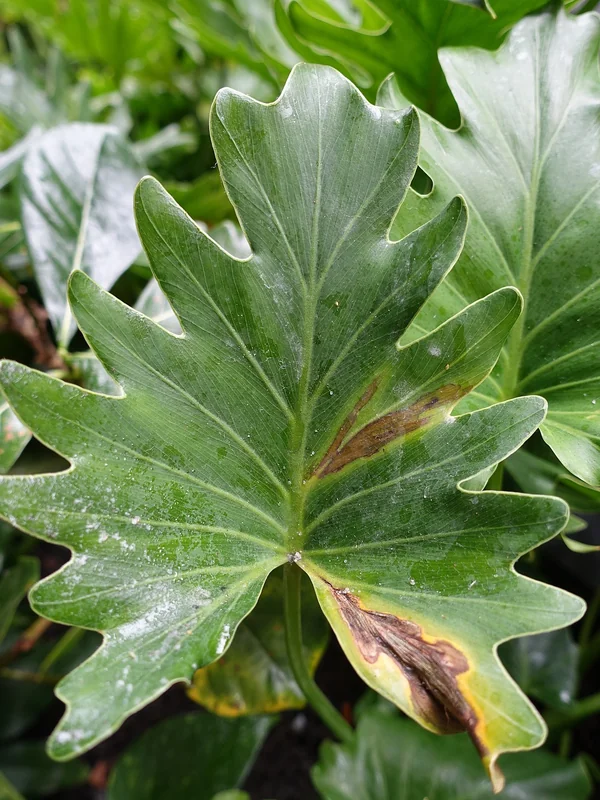
Yellowing leaves can indicate overwatering or poor drainage. Brown, crispy leaf edges often signal low humidity or inconsistent watering. Pests like spider mites and mealybugs can be managed with insecticidal soap or neem oil. Ensure good air circulation to help prevent fungal issues.
Sources & further reading (3)
- encyclopedia — accessed 2026-04-24
- dataset — accessed 2026-04-24
- botanical-garden — accessed 2024-05-15
Frequently asked questions
Why are my Philodendron fibrosum leaves turning yellow?
Yellowing leaves are often a sign of overwatering or a soil that doesn't drain well. Check the soil moisture and ensure the pot has drainage holes. Inconsistent watering or nutrient deficiencies can also contribute.
How can I increase humidity for my Philodendron fibrosum?
Place the plant on a pebble tray filled with water, group it with other plants, or use a humidifier. Misting can offer temporary relief but is less effective than consistent environmental humidity.
What kind of soil should I use?
Use a chunky, well-draining potting mix. A good blend includes peat moss or coco coir, perlite, and orchid bark to ensure aeration and prevent waterlogging.
Can Philodendron fibrosum tolerate low light?
While it can survive in low light, Philodendron fibrosum prefers bright, indirect light. Low light conditions can lead to leggy growth and smaller leaves with less pronounced veining.