Philodendron cruentospathum
Philodendron cruentospathum Care Guide: Tropical Aroid for Your Home
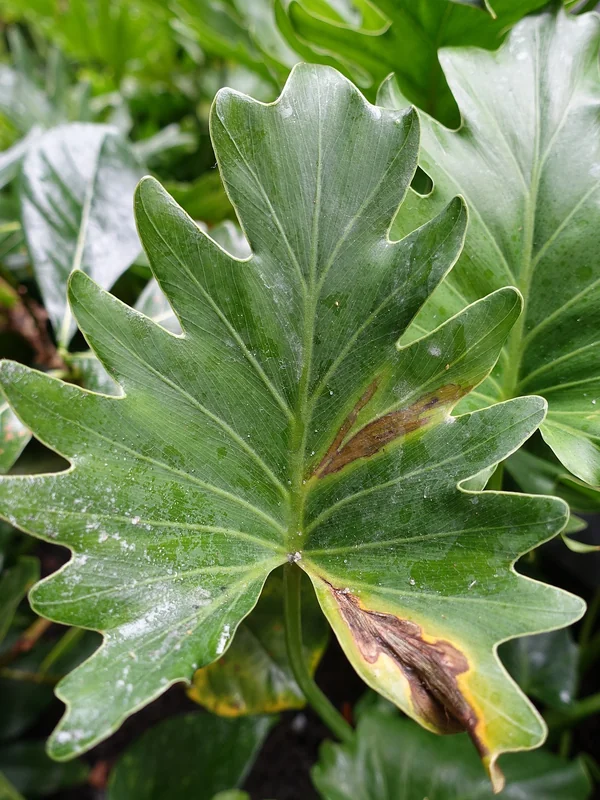 Featured photophilodendron-cruentospathum.jpg
The Philodendron cruentospathum is a beautiful tropical plant known for its lush foliage. Like many philodendrons, it's relatively easy to care for, preferring warm, humid conditions and bright, indirect light. Proper watering and a well-draining soil mix are key to keeping this plant healthy. It's a great choice for adding a touch of the tropics to your indoor space.
Care facts at a glance
- Light
- Bright indirect
- Water
- Water when the top 1-2 inches of soil feel dry to the touch, ensuring the soil remains consistently moist but never soggy.
- Humidity
- 60–80 %
- Temperature
- 18–29 °C
- Soil
- Use a well-draining, airy potting mix rich in organic matter. An ideal blend includes components like peat moss or coco coir, perlite, and orchid bark to ensure good aeration and drainage, preventing root rot.
- Origin
- Native to the tropical rainforests of Brazil, where it grows as an understory plant.
- Mature size
- Indoors, it can reach lengths of 3-6 feet (0.9-1.8 meters) with proper support, growing as a vining plant.
Overview
Philodendron cruentospathum is a beautiful, lesser-known member of the Philodendron genus, prized for its attractive foliage. Like many of its relatives, it's an epiphytic or hemiepiphytic plant in its natural habitat, meaning it often grows on other plants without being parasitic. Its leaves are typically dark green, and it develops a vining habit, making it suitable for hanging baskets or climbing poles.
Care Priorities
To keep your Philodendron cruentospathum happy and healthy, focus on these key areas:
- Light: Provide bright, indirect light. Avoid direct sun, which can scorch leaves.
- Watering: Keep the soil consistently moist but never waterlogged. Allow the top layer to dry slightly between waterings.
- Humidity: High humidity is crucial. Aim for 60-80% to mimic its native tropical environment.
- Temperature: Maintain warm temperatures, ideally between 18-29°C (65-85°F), and protect from cold drafts.
Common Problems
Most issues with Philodendron cruentospathum stem from improper environmental conditions. Yellowing leaves often indicate overwatering or nutrient deficiency, while brown, crispy edges suggest low humidity or underwatering. Pests like spider mites and mealybugs can appear, especially in dry conditions; inspect your plant regularly and treat promptly with insecticidal soap if needed. Root rot is a common disease caused by consistently soggy soil, so ensure excellent drainage.
Sources & further reading (4)
- encyclopedia — accessed 2026-04-24
- dataset — accessed 2026-04-24
- botanical-garden — accessed 2024-07-20
- extension — accessed 2024-07-20
Frequently asked questions
Why are the leaves on my Philodendron cruentospathum turning yellow?
Yellowing leaves often point to overwatering, which can lead to root rot. Ensure your soil drains well and allow the top inch or two to dry out before watering again. It can also be a sign of nutrient deficiency, so check your fertilizing schedule.
How can I increase humidity for my Philodendron cruentospathum?
To boost humidity, you can place your plant near a humidifier, group it with other plants, or use a pebble tray filled with water (making sure the pot doesn't sit directly in the water). Regular misting can offer a temporary boost but isn't a long-term solution.
What kind of soil is best for this plant?
A well-draining, airy aroid mix is ideal. This typically includes components like coco coir or peat, perlite, and orchid bark. This type of mix provides both moisture retention and excellent aeration, which is crucial for healthy roots.
How often should I fertilize my Philodendron cruentospathum?
During its active growing season (spring and summer), fertilize every 2-4 weeks with a balanced liquid houseplant fertilizer diluted to half strength. Reduce or stop fertilizing entirely during the fall and winter months when growth slows.