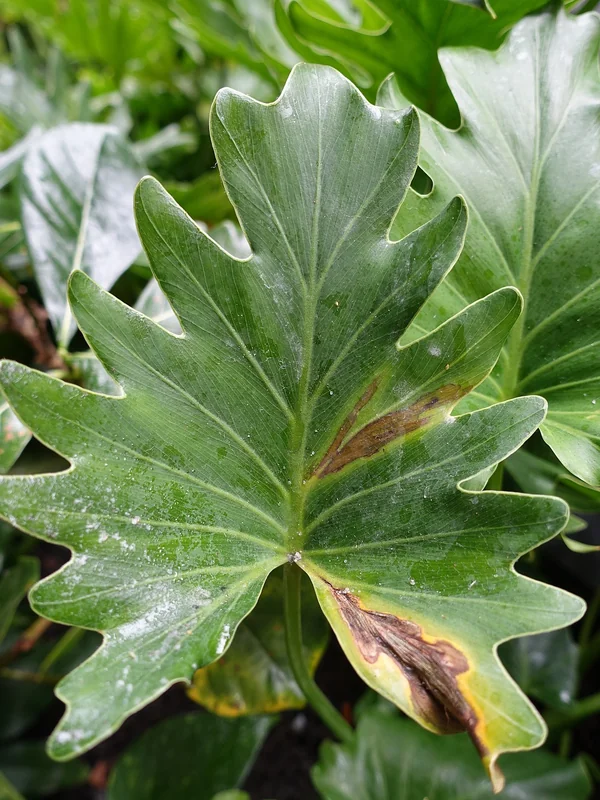
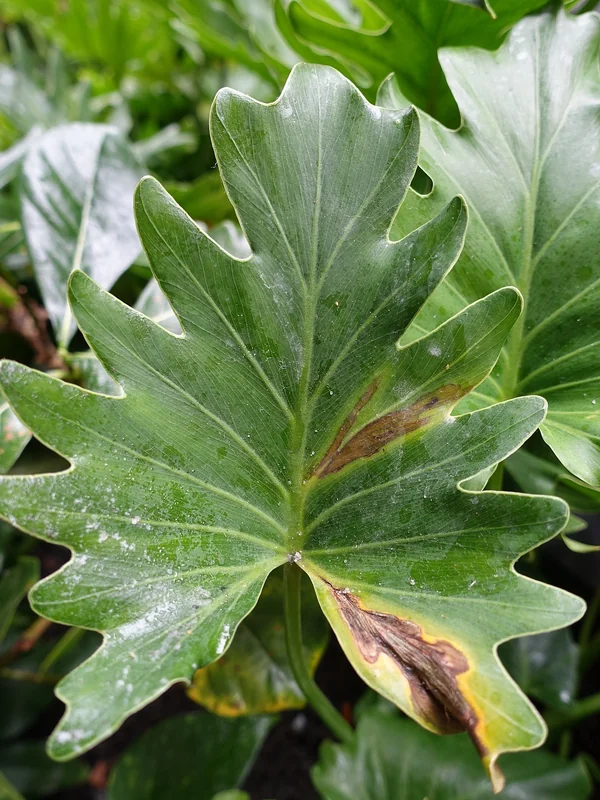
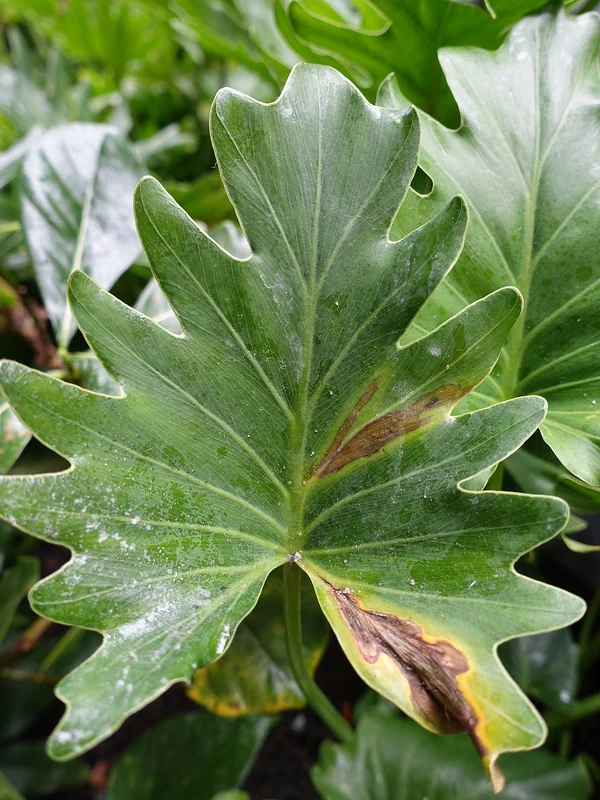
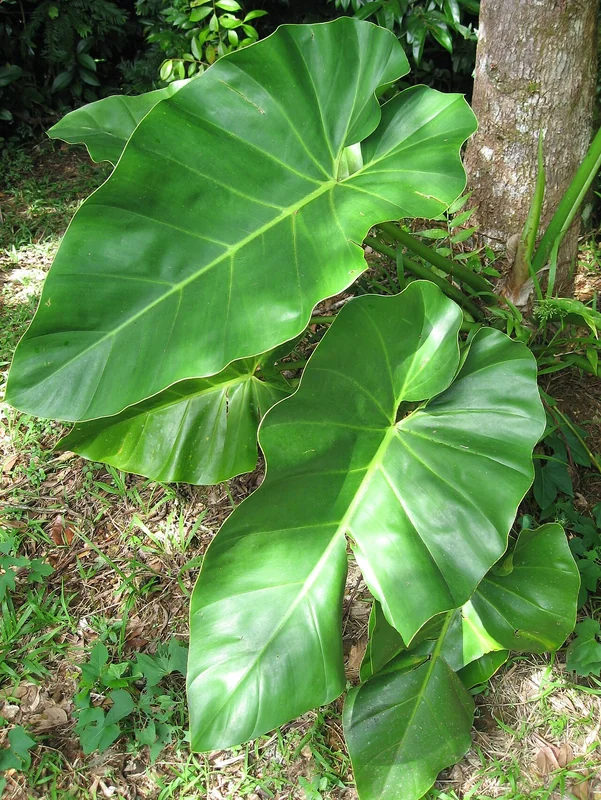
Philodendron quitense
Philodendron quitense Care Guide: Quito Philodendron
 Featured photophilodendron-quitense.jpg
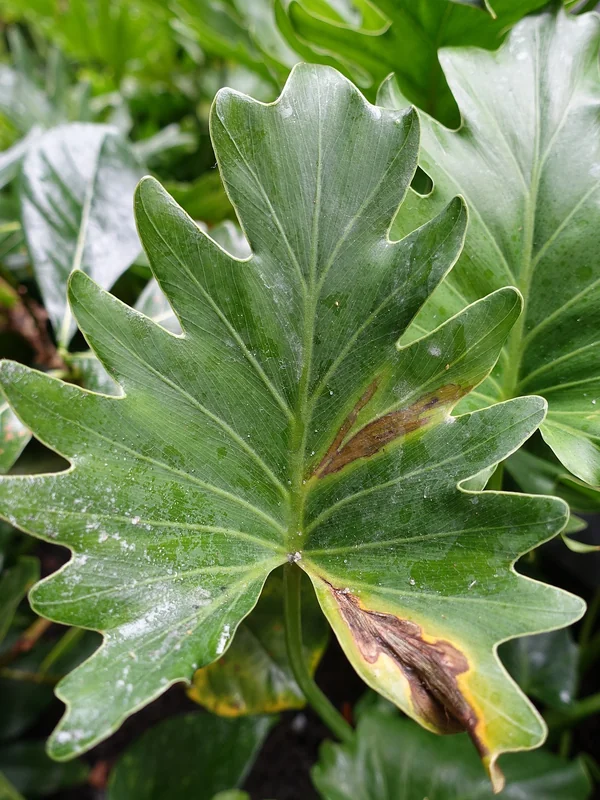
Philodendron quitense is a beautiful tropical plant from Ecuador, known for its attractive foliage. Like many philodendrons, it's a relatively easy-care houseplant that thrives in warm, humid conditions with bright, indirect light. This guide will help you provide the best environment for your Quito Philodendron to flourish indoors.
Care facts at a glance
- Light
- Bright indirect
- Water
- Water your Philodendron quitense when the top 1-2 inches of soil feel dry to the touch, ensuring the soil is consistently moist but never waterlogged.
- Humidity
- 60–80 %
- Temperature
- 18–29 °C
- Soil
- Use a well-draining, airy potting mix rich in organic matter. A good blend includes equal parts high-quality potting soil, perlite or pumice, and orchid bark or coco coir to ensure proper aeration and drainage.
- Origin
- Native to the tropical rainforests of Ecuador, particularly around the region of Quito.
- Mature size
- Indoors, it typically reaches 3-6 feet (0.9-1.8 meters) in height, often with a climbing or vining habit.
Overview
Philodendron quitense is a striking member of the Araceae family, known for its lush, often heart-shaped or elongated leaves. Hailing from the humid forests of Ecuador, it thrives in conditions that mimic its natural habitat. This plant is appreciated for its relatively straightforward care, making it a rewarding choice for both novice and experienced plant enthusiasts.
Care Priorities
To ensure your Philodendron quitense flourishes, focus on these key areas:
- Light: Provide bright, indirect light. Avoid direct sun, which can scorch leaves.
- Watering: Keep the soil consistently moist but never soggy. Allow the top layer to dry out between waterings.
- Humidity: Aim for high humidity, ideally above 60%, to prevent leaf crisping and encourage robust growth.
- Soil: Use a well-draining, aerated potting mix to prevent root issues.
Common Problems
Yellowing leaves can indicate overwatering or nutrient deficiency, while brown, crispy edges often point to low humidity or underwatering. Pests like spider mites and mealybugs can be a nuisance; inspect your plant regularly and treat infestations promptly with insecticidal soap. Root rot is a common issue caused by excessively wet soil, so ensure good drainage and proper watering habits.
Sources & further reading (3)
- encyclopedia — accessed 2026-04-24
- dataset — accessed 2026-04-24
- botanical-garden — accessed 2023-10-27
Frequently asked questions
Why are my Philodendron quitense leaves turning yellow?
Yellowing leaves are often a sign of overwatering, which can lead to root rot. Ensure your pot has good drainage and allow the top soil to dry out before watering again. It can also be a sign of nutrient deficiency, so consider a balanced fertilizer during the growing season.
How can I increase humidity for my Philodendron quitense?
To boost humidity, you can place your plant near a humidifier, group it with other plants, or place its pot on a pebble tray filled with water (making sure the pot isn't sitting directly in the water). Misting can offer a temporary boost but isn't a long-term solution.
Can Philodendron quitense tolerate low light?
While Philodendron quitense can survive in lower light conditions, it will not thrive. Its growth will be slower, and leaves may become smaller or less vibrant. For best results, provide bright, indirect light.
What kind of soil is best for Philodendron quitense?
A well-draining, chunky aroid mix is ideal. This typically includes components like orchid bark, perlite, coco coir, and a small amount of peat moss or high-quality potting soil. This mix prevents compaction and allows roots to breathe.
Is Philodendron quitense a climbing plant?
Yes, like many philodendrons, P. quitense is a vining or climbing plant in its natural habitat. Providing a moss pole or trellis can encourage larger leaf growth and a more upright, robust plant indoors.