Philodendron duckei
Philodendron duckei Care Guide: Thriving Tropical Beauty
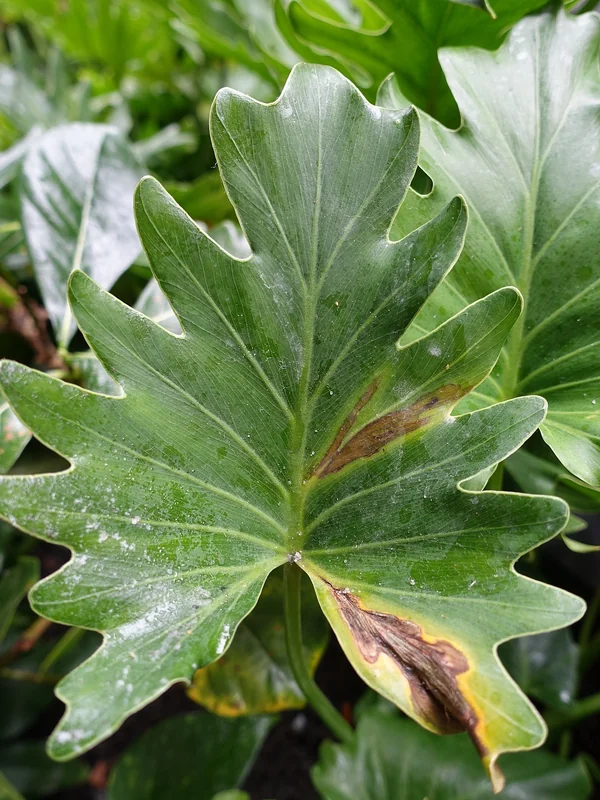 Featured photophilodendron-duckei.jpg
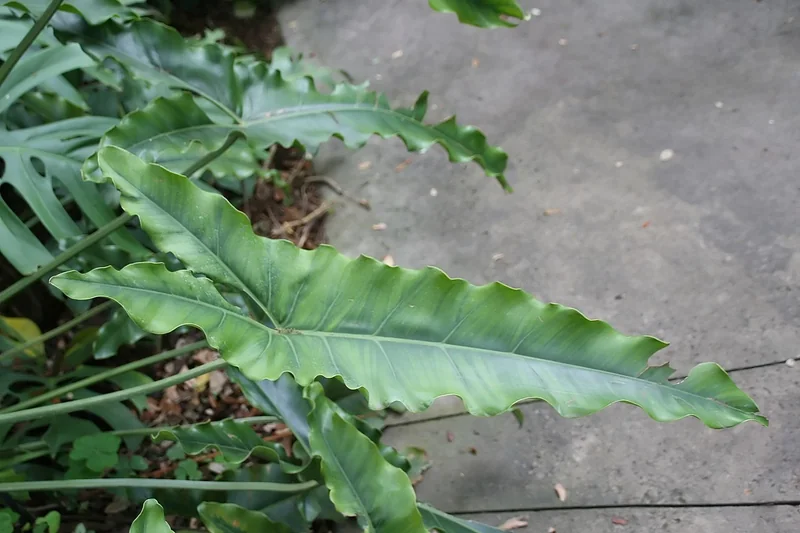
Philodendron duckei is a stunning tropical plant known for its unique, elongated leaves. It thrives indoors with bright, indirect light, consistent moisture, and high humidity. This guide will help you understand its specific needs to ensure healthy growth and vibrant foliage, making it a rewarding addition to your plant collection.
Care facts at a glance
- Light
- Bright indirect
- Water
- Water when the top 1-2 inches (2.5-5 cm) of soil feel dry to the touch, ensuring the pot has good drainage.
- Humidity
- 60–80 %
- Temperature
- 18–29 °C
- Soil
- Use a well-draining, airy potting mix rich in organic matter. A good blend includes peat moss or coco coir, perlite or pumice, and orchid bark to ensure proper aeration and drainage, preventing waterlogged roots.
- Origin
- Native to the tropical rainforests of Brazil, where it grows as an understory plant.
- Mature size
- Indoors, it can reach lengths of 3-6 feet (1-2 meters) with proper support, as it is a vining plant.
Overview
Philodendron duckei is a captivating aroid from the Brazilian rainforests, admired for its long, narrow, and often slightly undulating leaves. Unlike some of its more common relatives, P. duckei offers a distinctive, elegant silhouette. It's a vining plant that can grow quite large over time, making it a striking focal point in any indoor plant collection.
Care Priorities
To keep your Philodendron duckei thriving, focus on three key areas:
- Bright, Indirect Light: Protect it from direct sun to prevent leaf scorch.
- Consistent Moisture: Water when the top soil dries, but never let it sit in soggy conditions.
- High Humidity: Mimic its tropical home by providing ample humidity, especially in dry indoor environments.
Common Problems
Yellowing leaves often indicate overwatering or nutrient deficiency, while brown, crispy edges suggest low humidity or underwatering. Pests like spider mites and mealybugs can be managed with regular inspection and appropriate treatments. Root rot is a common issue, usually caused by poor drainage and excessive watering, so ensure your soil mix is airy.
Sources & further reading (3)
- encyclopedia — accessed 2026-04-24
- dataset — accessed 2026-04-24
- botanical-garden — accessed 2023-10-27
Frequently asked questions
How do I know if my Philodendron duckei needs more humidity?
If your plant's leaf tips or edges are turning brown and crispy, or if new leaves struggle to unfurl, it's a strong sign that the humidity levels are too low. Consider using a pebble tray or a humidifier.
Can Philodendron duckei tolerate low light?
While Philodendron duckei can survive in lower light conditions, its growth will be slower, and its leaves may not develop their full size or vibrant color. Bright, indirect light is essential for optimal health and appearance.
Why are my Philodendron duckei leaves turning yellow?
Yellowing leaves are most commonly a sign of overwatering, which can lead to root rot. Ensure your soil drains well and allow the top few inches to dry out between waterings. It can also be a sign of nutrient deficiency, especially if older leaves are yellowing.
How often should I repot my Philodendron duckei?
Repot your Philodendron duckei every 1-2 years, or when you notice it becoming root-bound, typically in spring. Choose a pot only slightly larger than the current one to avoid overwatering issues.
Is it normal for Philodendron duckei to have aerial roots?
Yes, Philodendron duckei, like many other philodendrons, naturally produces aerial roots. These roots help the plant climb in its natural habitat and absorb moisture and nutrients from the air. They are a sign of a healthy plant.