Philodendron balaoanum
Philodendron balaoanum Care Guide: Unique Stems & Lush Leaves
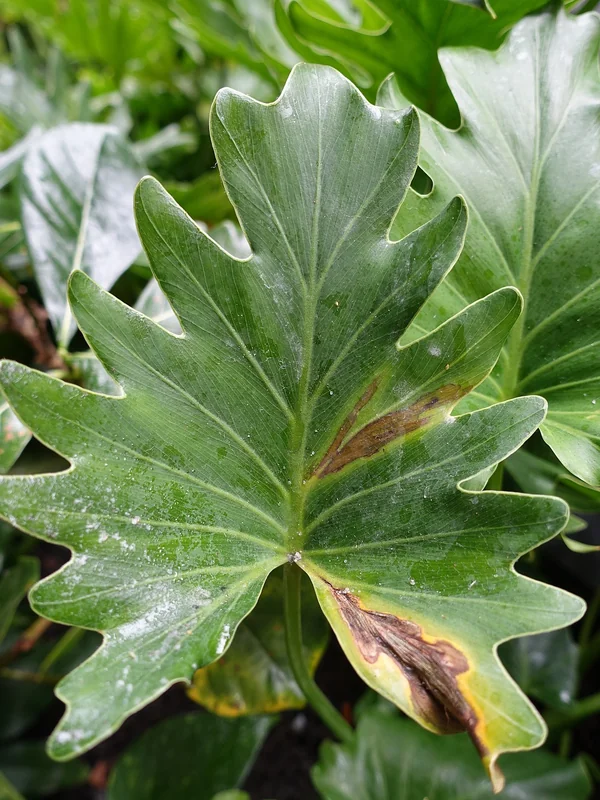 Featured photophilodendron-balaoanum.jpg
Philodendron balaoanum is a striking tropical plant known for its distinctive, deeply ridged stems and large, heart-shaped leaves. This aroid makes a wonderful addition to any indoor plant collection, offering a unique texture and lush green foliage. It's relatively straightforward to care for, making it suitable for various skill levels. This guide will help you understand its specific needs for light, water, and humidity to ensure healthy growth.
Care facts at a glance
- Light
- Bright indirect
- Water
- Allow the top 1-2 inches of soil to dry out completely before watering again, typically once a week or every ten days depending on environmental conditions.
- Humidity
- 60–80 %
- Temperature
- 18–29 °C
- Soil
- Use a well-draining, airy potting mix rich in organic matter. A good blend includes peat moss or coco coir, perlite, and orchid bark to provide aeration and prevent compaction.
- Origin
- Native to the tropical rainforests of South America, particularly found in Ecuador and Peru.
- Mature size
- Indoors, it can grow to several feet (1-2 meters) in length as a climbing vine with proper support.
Overview
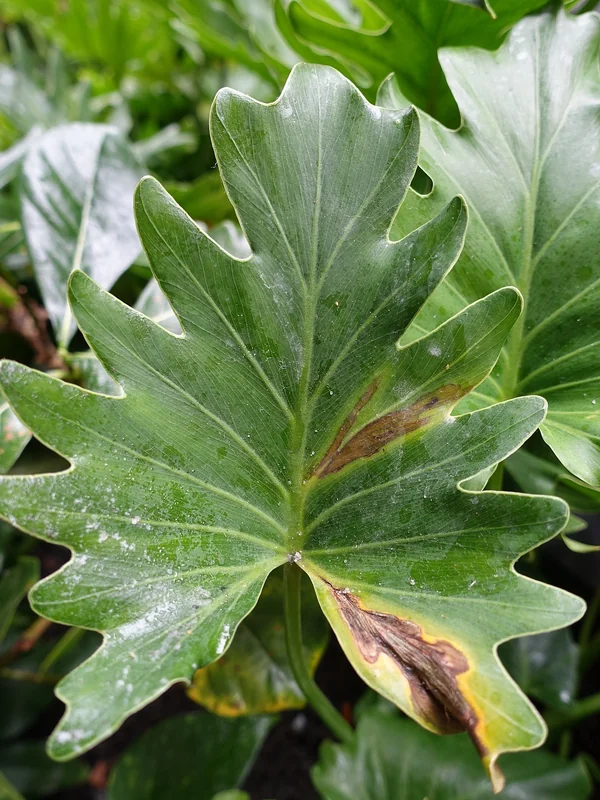
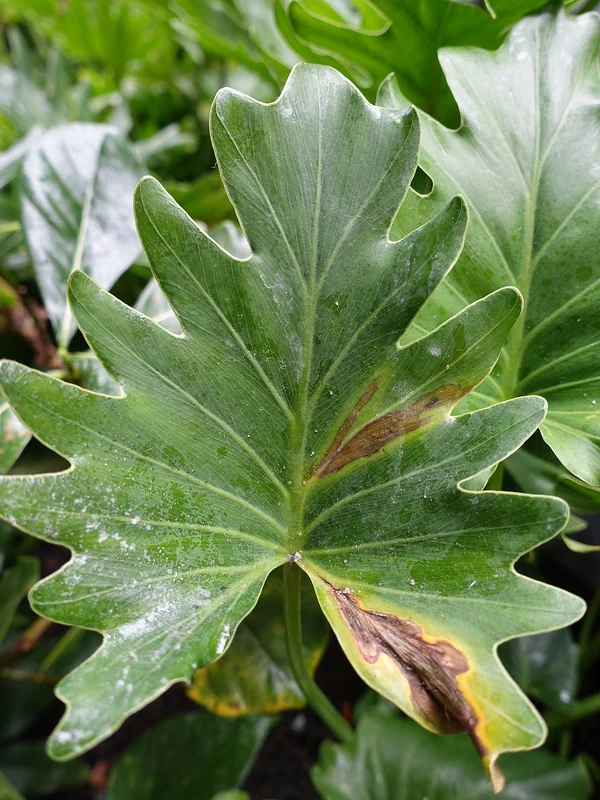
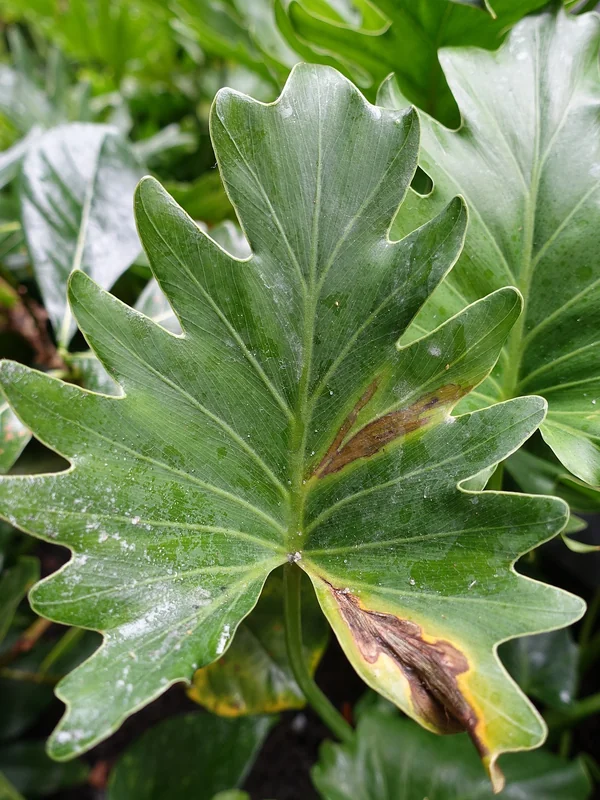
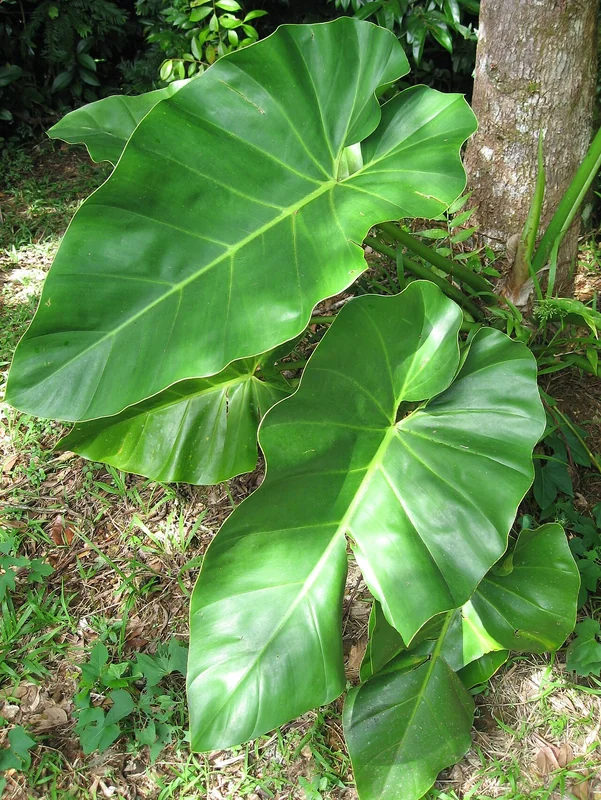
Philodendron balaoanum is cherished for its striking appearance, featuring thick, deeply ridged petioles (leaf stems) that give it a unique, almost prehistoric look. Its large, heart-shaped leaves emerge a vibrant green, maturing into a deeper hue. As a climbing aroid, it appreciates a moss pole or other support to encourage larger leaf growth and a more upright habit, making it a dramatic focal point in any room.
Care Priorities
To keep your Philodendron balaoanum thriving, focus on providing bright, indirect light; direct sun can scorch its leaves. Consistent watering is key, allowing the topsoil to dry out between sessions to prevent root rot. High humidity is crucial, mimicking its native rainforest environment, so consider a humidifier or pebble tray. Lastly, a well-draining, chunky soil mix will ensure its roots get the aeration they need.
Common Problems
Yellowing leaves often indicate overwatering or a nutrient deficiency, while brown, crispy edges suggest low humidity or underwatering. Keep an eye out for common houseplant pests like spider mites and mealybugs, especially on the undersides of leaves. Root rot is a significant concern, usually caused by consistently wet soil, so always ensure good drainage and proper watering practices.
Sources & further reading (2)
- encyclopedia — accessed 2026-04-24
- dataset — accessed 2026-04-24
Frequently asked questions
Why are my Philodendron balaoanum leaves turning yellow?
Yellowing leaves are most often a sign of overwatering. Ensure the soil dries out between waterings. It can also indicate a nutrient deficiency, so consider fertilizing during the growing season.
How can I increase humidity for my Philodendron balaoanum?
You can increase humidity by using a humidifier, placing the plant on a pebble tray filled with water, or grouping it with other plants to create a microclimate.
Does Philodendron balaoanum need a support pole?
While it can trail, Philodendron balaoanum is a climbing plant. Providing a moss pole or trellis will encourage it to climb, leading to larger, more mature leaves and a healthier growth habit.
What kind of pot is best for Philodendron balaoanum?
A pot with good drainage holes is essential to prevent water from sitting at the bottom and causing root rot. Terracotta pots can help wick away excess moisture, but plastic pots are also fine if you're careful with watering.