Philodendron pachycaule
Philodendron pachycaule Care Guide: Thick-Stemmed Beauty
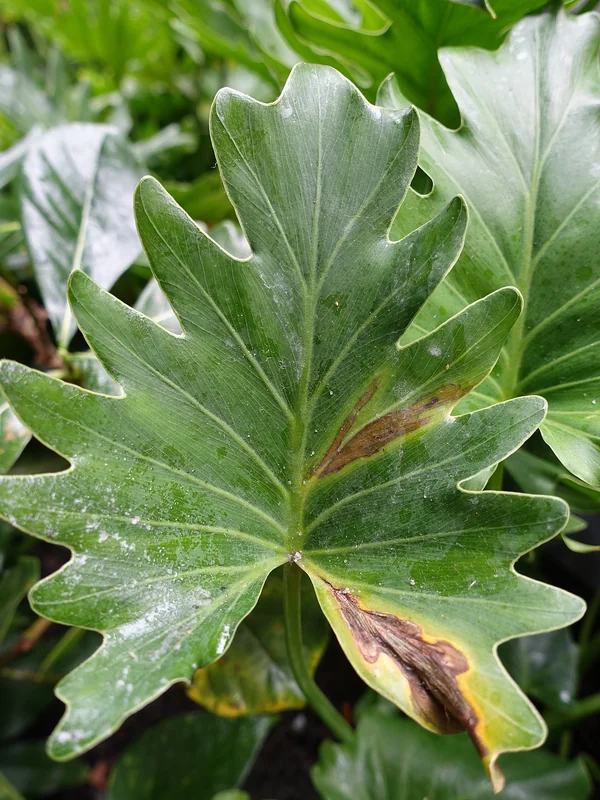 Featured photophilodendron-pachycaule.jpg
The Philodendron pachycaule is a unique and compact Philodendron species known for its distinctive thick, succulent-like stem. Native to Ecuador, it's a terrestrial plant that grows well in bright, indirect light indoors. Its robust stem helps it store water, making it somewhat tolerant of drier conditions than other Philodendrons, but consistent care is still key. This guide will help you keep your 'Thick-stem Philodendron' thriving.
Care facts at a glance
- Light
- Bright indirect
- Water
- Allow the top 1-2 inches of soil to dry out completely between waterings. Water thoroughly until water drains from the bottom.
- Humidity
- 60–80 %
- Temperature
- 18–29 °C
- Soil
- A well-draining, airy potting mix is essential. A good aroid mix typically includes components like orchid bark, perlite, coco coir, and a small amount of peat moss or compost. This ensures good aeration and prevents waterlogging.
- Origin
- Ecuador
- Mature size
- Typically reaches 1-2 feet (30-60 cm) in height and width indoors.
Overview
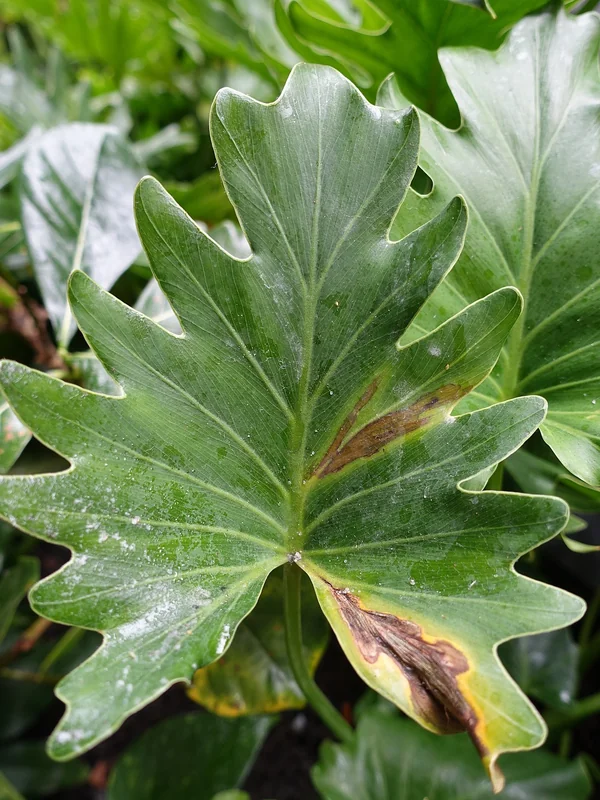
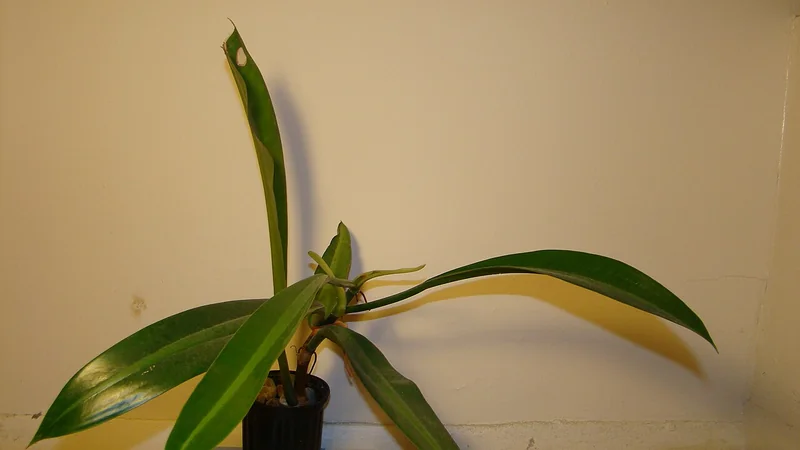
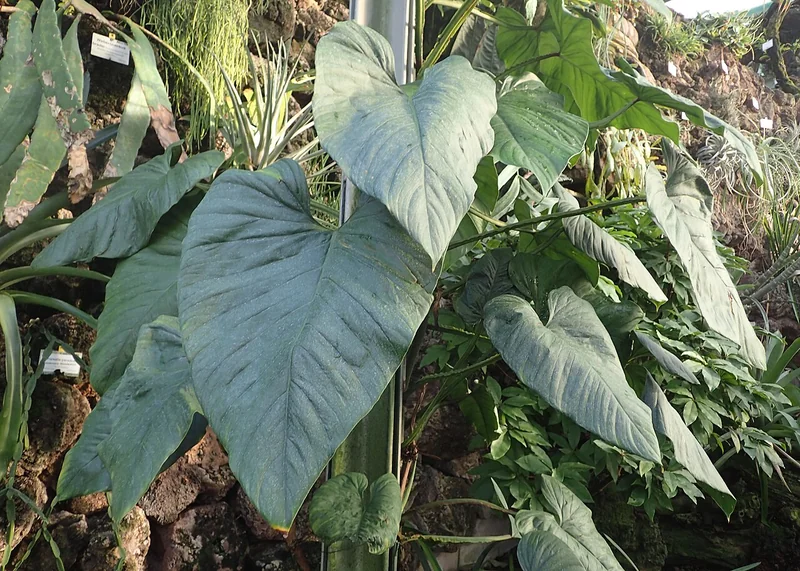
Philodendron pachycaule stands out from its vining relatives with its upright, compact growth and a remarkably thick, succulent-like stem. This stem is a natural adaptation, allowing the plant to store water, much like a cactus or succulent. Its leaves are typically dark green, glossy, and heart-shaped, emerging from the robust central stem. This species is a terrestrial Philodendron, meaning it naturally grows in the soil rather than climbing trees, making it an excellent choice for tabletops or shelves.
Care Priorities
To ensure your Philodendron pachycaule thrives, focus on these key care aspects:
- Light: Provide bright, indirect light. Direct sun can scorch its leaves.
- Watering: Allow the soil to dry out significantly between waterings to prevent root rot, especially given its water-storing stem.
- Humidity: While somewhat tolerant, it appreciates moderate to high humidity, typical of its native tropical environment.
- Soil: Use a very well-draining, airy potting mix to support healthy root development.
Common Problems
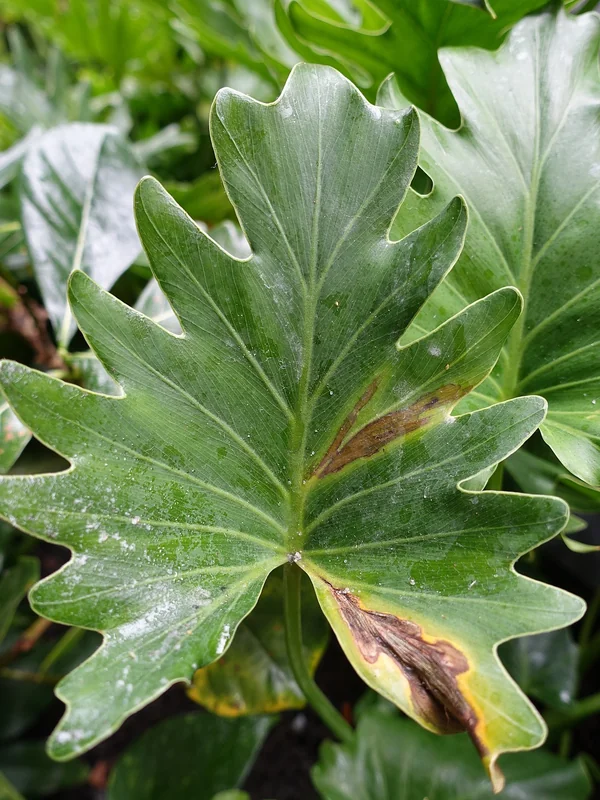
Many issues with Philodendron pachycaule stem from improper watering. Yellowing leaves often indicate overwatering and potential root rot, while crispy brown edges can signal underwatering or low humidity. Drooping leaves can be a sign of both over and underwatering, so check the soil moisture carefully. Keep an eye out for common houseplant pests like mealybugs or spider mites, especially on the undersides of leaves. Good air circulation helps prevent fungal issues.
Sources & further reading (3)
- encyclopedia — accessed 2026-04-24
- dataset — accessed 2026-04-24
- extension — accessed 2024-07-30
Frequently asked questions
Why is my Philodendron pachycaule's stem so thick?
The thick stem of Philodendron pachycaule is an adaptation that allows the plant to store water. This helps it survive periods of drought in its natural habitat and means it can tolerate slightly drier conditions than some other Philodendron species.
How often should I repot my Philodendron pachycaule?
Repot your Philodendron pachycaule every 1-2 years, or when it becomes root-bound. Choose a pot that is only one size larger than the current one to avoid overwatering issues. Spring is the best time for repotting.
Can I put my Philodendron pachycaule outdoors?
You can place your Philodendron pachycaule outdoors during warm summer months, but only if temperatures consistently stay above 15°C (60°F). Ensure it's in a shaded or protected spot to avoid direct sunlight, which can burn its leaves. Bring it indoors before temperatures drop.
What kind of soil is best for Philodendron pachycaule?
The best soil for Philodendron pachycaule is a chunky, well-draining aroid mix. This typically includes ingredients like orchid bark, perlite, coco coir, and a small amount of peat moss or high-quality potting soil. This mix provides the necessary aeration and drainage to prevent root rot.
Are Philodendron pachycaule plants easy to care for?
Philodendron pachycaule is considered moderately easy to care for. Its main requirements are bright, indirect light, consistent watering (allowing the soil to dry out between waterings), and good humidity. Avoiding overwatering is the most critical aspect of its care.