Philodendron cordatum
Heartleaf Philodendron Care Guide: Easy Houseplant (Philodendron cordatum)
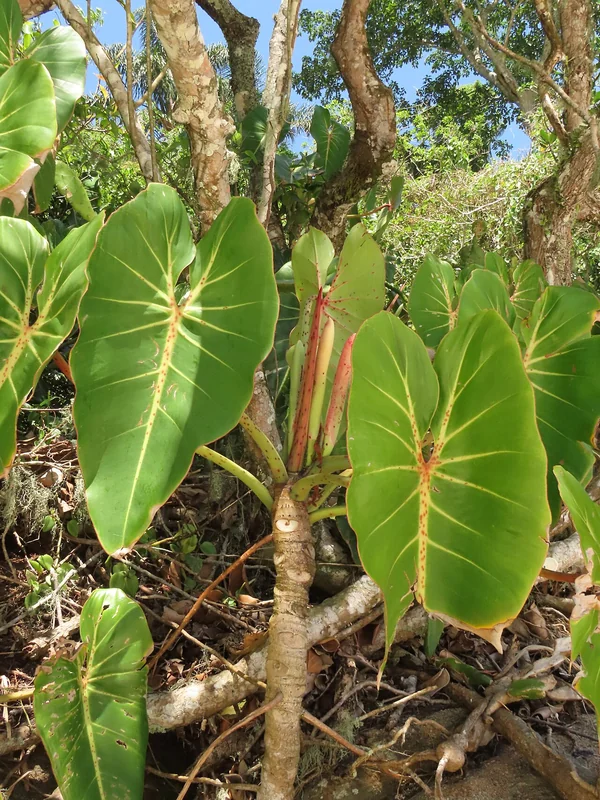 Featured photophilodendron-cordatum.jpg
The Heartleaf Philodendron (Philodendron cordatum) is a popular and easy-to-care-for houseplant, known for its glossy, heart-shaped leaves. It's a vining plant that can be grown in hanging baskets or trained to climb. This guide provides essential care information to help your plant flourish indoors.
Care facts at a glance
- Light
- Bright indirect
- Water
- Water when the top inch or two of soil feels dry to the touch, typically once a week or every two weeks depending on environmental conditions.
- Humidity
- 40–80 %
- Temperature
- 18–29 °C
- Soil
- A well-draining potting mix rich in organic matter is ideal. A standard houseplant mix amended with perlite or orchid bark for better aeration and drainage works well.
- Origin
- Native to the tropical rainforests of southeastern Brazil, where it grows as an understory plant or climbs trees.
- Mature size
- Indoors, vines can reach 4-6 feet (1.2-1.8 meters) long, sometimes more with support.
Overview
The Heartleaf Philodendron, Philodendron cordatum, is a beloved houseplant cherished for its attractive, heart-shaped foliage and adaptable nature. Originating from the tropical rainforests of Brazil, it thrives in conditions that mimic its native humid environment. This vining plant is perfect for beginners and can be displayed in various ways, from trailing gracefully from shelves to climbing a moss pole.
Care Priorities
- Light: Provide bright, indirect light to encourage lush growth.
- Water: Allow the top soil to dry out between waterings to prevent root rot.
- Humidity: While tolerant of average indoor humidity, it appreciates higher levels.
- Soil: Use a well-draining potting mix.
- Support: Provide a moss pole or trellis for climbing — leaves grow larger on a vertical support.
Common Problems
Overwatering is the most common issue, leading to yellowing leaves and root rot. Ensure proper drainage and allow soil to dry between waterings. Brown leaf tips can indicate low humidity or underwatering. Keep an eye out for common pests like spider mites and mealybugs, especially on the undersides of leaves.
Sources & further reading (3)
- encyclopedia — accessed 2026-04-24
- dataset — accessed 2026-04-24
- botanical-garden — accessed 2024-05-15
Frequently asked questions
Why are my philodendron leaves turning yellow?
Often a sign of overwatering. Check soil moisture and ensure good drainage. It can also be a sign of underwatering or nutrient deficiency.
How do I make my heartleaf philodendron bushy?
Pruning encourages bushier growth. Pinch back the tips of the vines to promote branching and a fuller appearance.
Can I put my philodendron in low light?
While it tolerates low light, it will grow slower and have smaller leaves. Bright, indirect light is best for healthy, vigorous growth and larger foliage.
How often should I fertilize my philodendron?
During spring and summer, fertilize every 2-4 weeks with a balanced liquid fertilizer. Reduce or stop in fall and winter when growth slows.
Is Philodendron cordatum the same as Philodendron hederaceum?
Yes, Philodendron cordatum is often considered a synonym or a closely related species to Philodendron hederaceum, and they are frequently sold interchangeably in the plant trade.