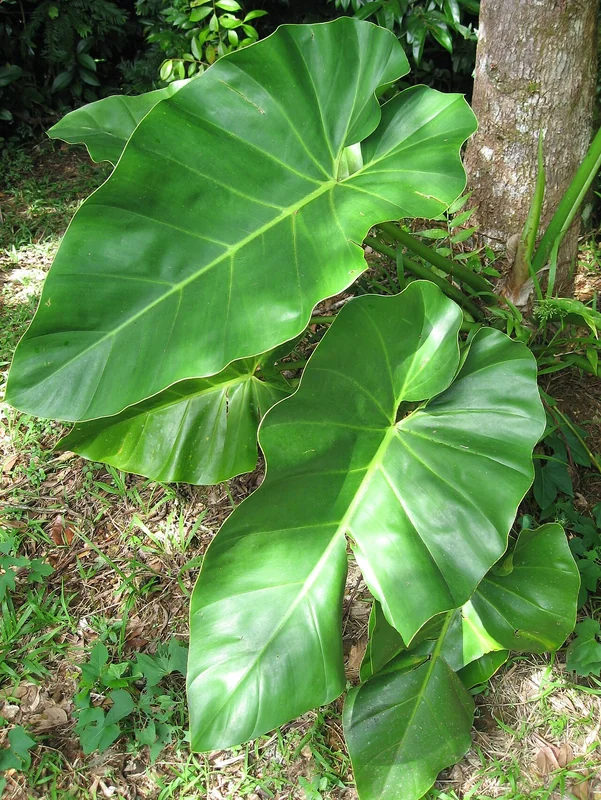
Philodendron fragile
Philodendron fragile Care Guide: A Rare Aroid for Your Home
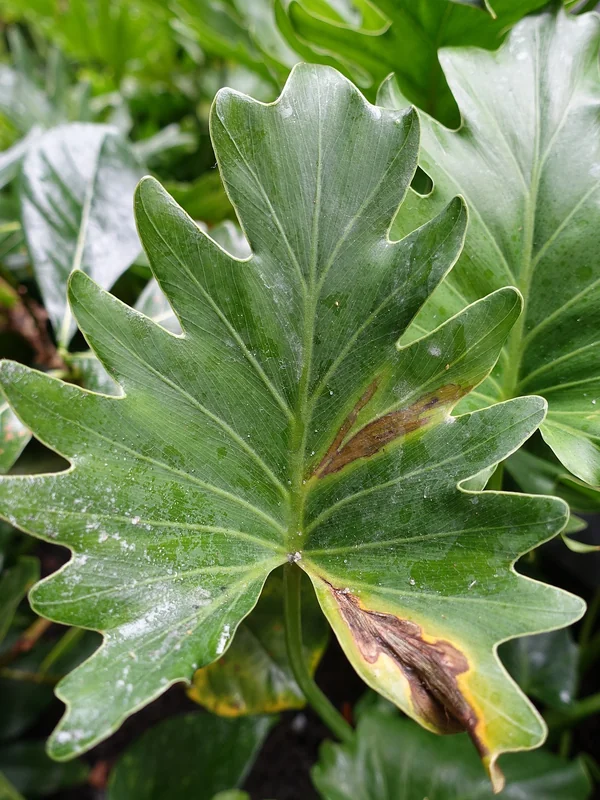 Featured photophilodendron-fragile.jpg
Philodendron fragile is a less common but captivating member of the Philodendron genus, known for its delicate appearance. Like many of its relatives, it thrives in conditions mimicking its native tropical habitat. This guide will help you understand its specific needs, from light and water to soil and humidity, ensuring your plant flourishes. It's an excellent choice for a collector looking for a unique aroid.
Care facts at a glance
- Light
- Bright indirect
- Water
- Water thoroughly when the top 1-2 inches of soil feel dry to the touch, ensuring excess water drains away.
- Humidity
- 60–80 %
- Temperature
- 18–29 °C
- Soil
- Use a well-draining, airy potting mix rich in organic matter. A good aroid mix typically includes components like orchid bark, perlite, and coco coir to ensure proper aeration and drainage.
- Origin
- Native to the tropical rainforests of Colombia and Ecuador, where it often grows as a hemiepiphyte.
- Mature size
- A climbing vine that can reach several feet in length indoors with proper support, though its size is easily managed by pruning.
Overview
Philodendron fragile is a fascinating, though less commonly encountered, species within the diverse Philodendron genus. Hailing from the humid rainforests of Colombia and Ecuador, it thrives in conditions that mimic its natural habitat. As a hemiepiphyte, it can start its life on other plants or in the soil, eventually developing aerial roots and climbing. Its care requirements are largely consistent with other tropical Philodendron.
Care Priorities
To ensure your Philodendron fragile flourishes, focus on these key aspects:
- Bright, Indirect Light: Protect from direct sun, which can scorch its leaves.
- Consistent Moisture: Keep the soil consistently moist but never waterlogged; allow the top layer to dry between waterings.
- High Humidity: Aim for humidity levels above 60% to prevent leaf crisping and encourage lush growth.
- Warm Temperatures: Maintain temperatures between 18-29°C (65-85°F) and avoid cold drafts.
Common Problems
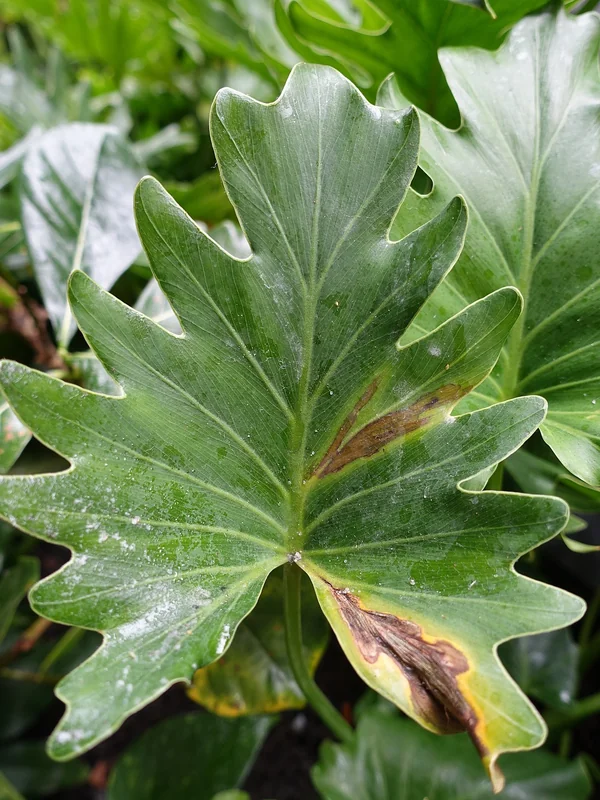
Overwatering is a frequent issue, leading to root rot, characterized by yellowing leaves and a mushy stem base. Ensure good drainage and allow the soil to dry slightly. Low humidity can cause crispy leaf edges or browning tips. Common pests like spider mites and mealybugs can be managed with regular inspection and appropriate horticultural sprays. Insufficient light may result in leggy growth and smaller leaves.
Sources & further reading (4)
- encyclopedia — accessed 2026-04-24
- dataset — accessed 2026-04-24
- botanical-garden — accessed 2024-04-25
- botanical-garden — accessed 2024-04-25
Frequently asked questions
Why are my Philodendron fragile leaves turning yellow?
Yellowing leaves often indicate overwatering or poor drainage, which can lead to root rot. Ensure your pot has drainage holes and allow the top soil to dry out between waterings. It can also be a sign of nutrient deficiency or, less commonly, underwatering.
How can I increase humidity for my Philodendron fragile?
To boost humidity, you can place your plant near a humidifier, group it with other plants, or use a pebble tray filled with water (making sure the pot doesn't sit directly in the water). Misting can offer temporary relief but is less effective for long-term humidity.
Is Philodendron fragile a climbing plant?
Yes, Philodendron fragile is a climbing vine. In its natural habitat, it uses aerial roots to attach to trees and climb upwards. Providing a moss pole or trellis will encourage larger leaves and a more robust growth habit indoors.
What kind of soil is best for Philodendron fragile?
A well-draining, airy aroid mix is ideal. This typically includes components like orchid bark, perlite, coco coir, and a small amount of peat or compost. This mix prevents compaction and ensures good aeration for the roots, mimicking its natural growing conditions.
How often should I fertilize my Philodendron fragile?
Fertilize during the active growing season (spring and summer) every 2-4 weeks with a balanced liquid houseplant fertilizer diluted to half strength. Reduce or stop fertilizing in fall and winter when the plant's growth slows.