Lithops optica
Lithops optica Care Guide
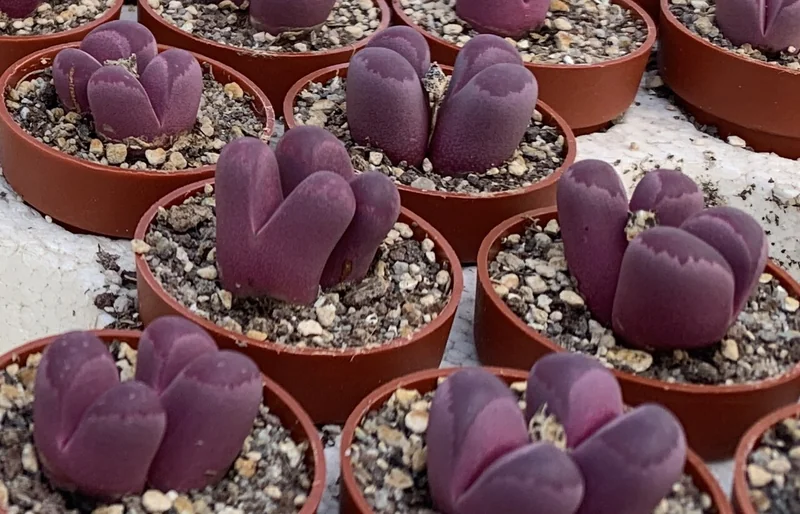 Featured photolithops-optica.jpg
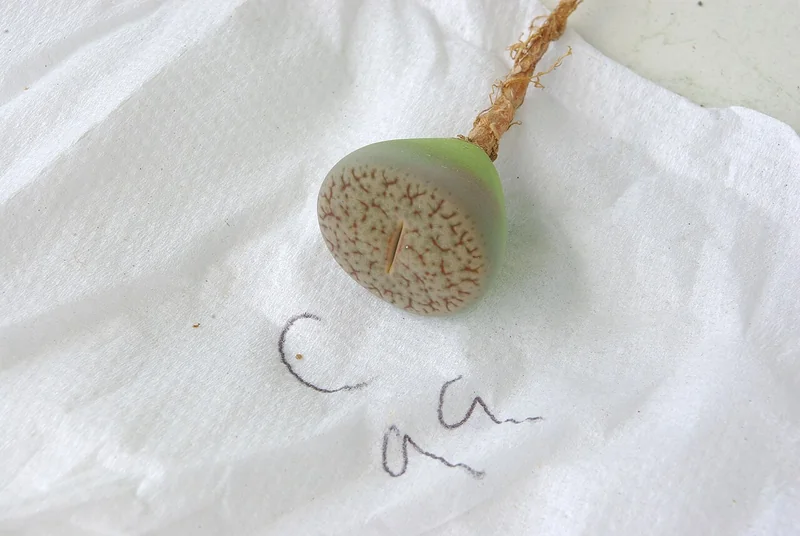
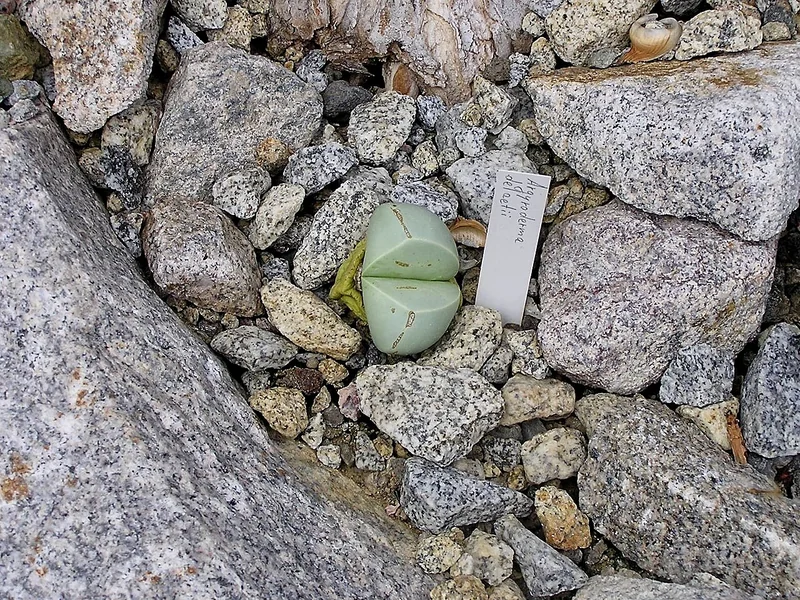
Lithops optica is a Namibian living stone succulent consisting of a pair of highly reduced, fused leaves that mimic the appearance of small pebbles — a camouflage adaptation against herbivory in its barren, stony native habitat. It is notable for having a naturally occurring ruby-red to purple form ('Rubra') in which the window areas are deeply coloured. Lithops are among the most specialised houseplants available, requiring very specific watering to avoid splitting or rotting, but rewarding growers with an endlessly fascinating form and vivid white daisy-like flowers.
Care facts at a glance
- Light
- Bright indirect
- Water
- Water only when the old leaf pair has fully shrivelled and the new pair has expanded — typically twice per year in late summer and autumn.
- Humidity
- 20–45 %
- Temperature
- 5–40 °C
- Soil
- Very gritty mineral mix: 80 percent coarse sand and fine grit, 20 percent succulent compost. Deep pots preferred.
- Origin
- Quartz and granite fields of the Namib Desert, Namibia.
- Mature size
- 2 to 3 cm tall; body 2 to 3 cm across.
Overview
Lithops optica was described by N.E. Brown in 1922. The genus Lithops contains around 37 species, all native to southern Africa, and optica is one of the species producing the most distinct coloured forms. The 'Rubra' form has deep purple-red translucent windows and is one of the most commercially popular lithops. In habitat these plants live for decades, each year shedding the old leaf pair as a new one emerges from within. Getting the watering schedule aligned with this cycle is the key to long-term success.
Care Priorities
- Watering discipline is the most critical factor — follow the annual cycle precisely (see FAQ below).
- Very bright light, ideally at least 4 to 5 hours of direct or very bright indirect sun daily.
- Deep pots provide room for the extensive tap root system.
- Never fertilise; this is a species adapted to extreme nutrient poverty.
Common Problems
Splitting (the body cracking open along the fissure) between leaf changes is caused by watering during the wrong phase of the growth cycle; the new pair draws water from the old pair — supplemental water creates too much pressure. Rotting at the base comes from excess watering at any time. A shrivelled, wrinkled appearance that doesn't recover indicates root damage; unpot, inspect, and replant in dry gritty mix.
Sources & further reading (2)
- botanical-garden — accessed 2026-05-08
- encyclopedia — accessed 2026-05-08
Frequently asked questions
When exactly should I water lithops?
Water in late summer (August–September in the northern hemisphere) when the plant begins pushing a new leaf pair. Water again sparingly in autumn. Stop completely through winter and spring while the old leaves shrivel and the new pair expands. Resume the cycle the following late summer.
Why is my lithops splitting open?
Splitting is almost always caused by watering during the dormant phase, when the emerging new leaf pair is drawing moisture from the old one. Supplemental water creates excess pressure and the body splits. Withhold water until the old pair is fully shrivelled.
How long until it flowers?
Typically 3 to 5 years from seed. Flowers emerge from the fissure between the lobes in autumn, resembling white or yellow daisies.