Haworthia retusa
Haworthia retusa Care Guide
 Featured photohaworthia-retusa.jpg
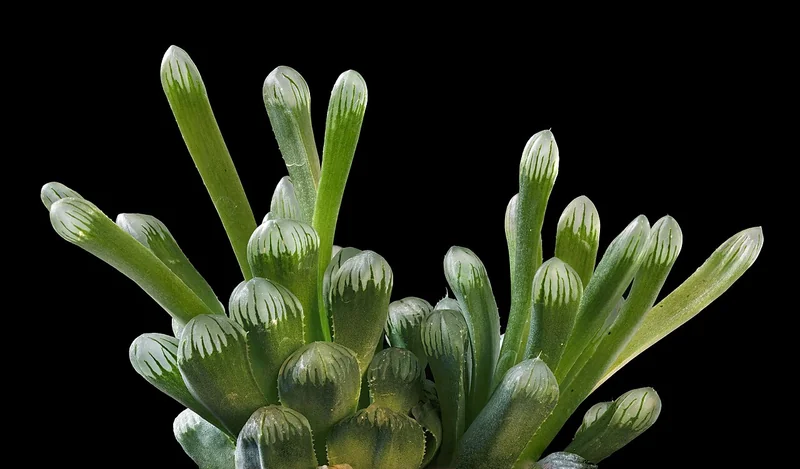
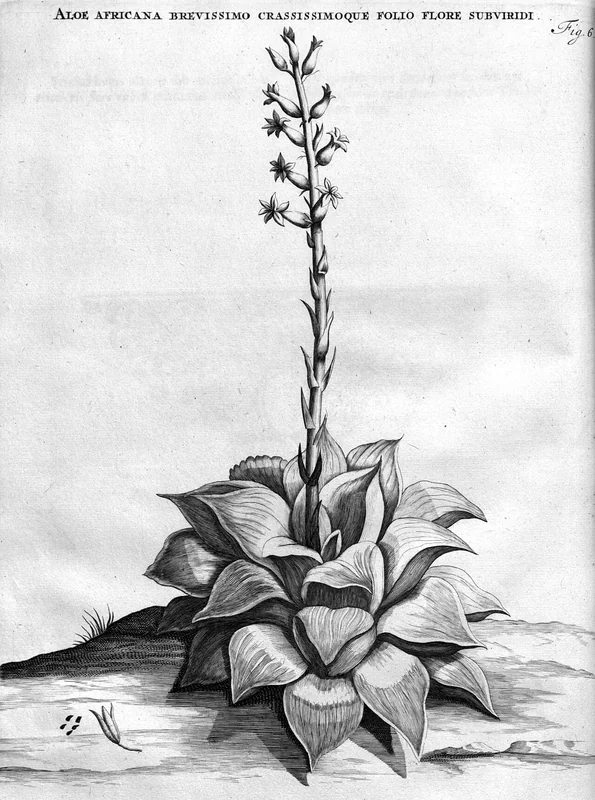
Haworthia retusa forms a tight, star-shaped rosette of broad, triangular leaves with flattened, windowed tips that give the plant a geometric, crystalline appearance. Native to the Western Cape of South Africa, it grows in exposed rocky or sandy soils and has evolved the window-leaf adaptation to gather diffuse light. It is a hardy windowsill succulent that tolerates some neglect and remains compact, making it well-suited to small spaces.
Care facts at a glance
- Light
- Bright indirect
- Water
- Water when the soil has completely dried out, typically every 2 to 4 weeks depending on season.
- Humidity
- 30–60 %
- Temperature
- 8–32 °C
- Soil
- Sharp-draining succulent mix with 50 percent perlite or coarse horticultural grit.
- Origin
- Rocky and sandy habitats of the Western Cape, South Africa.
- Mature size
- 5 to 12 cm tall; rosette 8 to 15 cm across.
Overview
Haworthia retusa was described by Haworth in 1804 and is one of the original haworthia species in cultivation. The species epithet 'retusa' refers to the notched or flattened tip of the leaves. It is closely related to H. emelyae and H. mirabilis, and like them is classified in the subgenus Haworthia by some authorities. The flat-tipped windows make it highly recognisable.
Care Priorities
- Bright, indirect or filtered light prevents bleaching of the window tips; direct sun causes reddening and eventual scorching.
- Excellent drainage is non-negotiable — use a gritty mix and a terracotta pot.
- Allow soil to dry fully between waterings; this species tolerates drought far better than overwatering.
- A winter rest with minimal water encourages healthier growth the following spring.
Common Problems
Reddish or orange leaf colouration is a stress response to too much direct sun or extreme temperature; move to filtered light and the colour usually reverts to green. Soft, mushy leaves at the base combined with a foul smell indicate root rot; act quickly by removing from soil, trimming rotted roots, and drying the plant for a week before repotting. Mealybugs hide in leaf axils; check regularly and treat with rubbing alcohol on a cotton swab.
Sources & further reading (2)
- botanical-garden — accessed 2026-05-08
- encyclopedia — accessed 2026-05-08
Frequently asked questions
Does H. retusa need direct sunlight?
No — it performs best in bright, indirect light or with morning sun. Harsh afternoon sun bleaches the windows and causes stress reddening.
Can it grow outdoors?
In dry climates with mild winters (above 5 °C) it can grow outdoors in a sheltered, well-drained spot. It is frost-tolerant to about -2 °C briefly, but sustained frost kills it.
My plant offsets but stays small — should I repot?
Only when offsets genuinely crowd the pot. It prefers a snug container and performs well slightly root-bound. Repot in spring into a pot only slightly larger.