Anthurium carlablackiae
Anthurium carlablackiae Care Guide
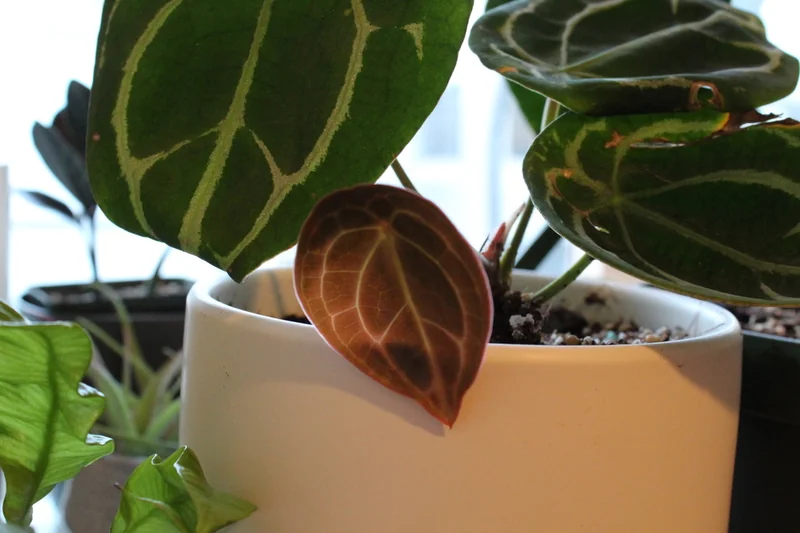 Featured photoanthurium-carlablackiae.jpg
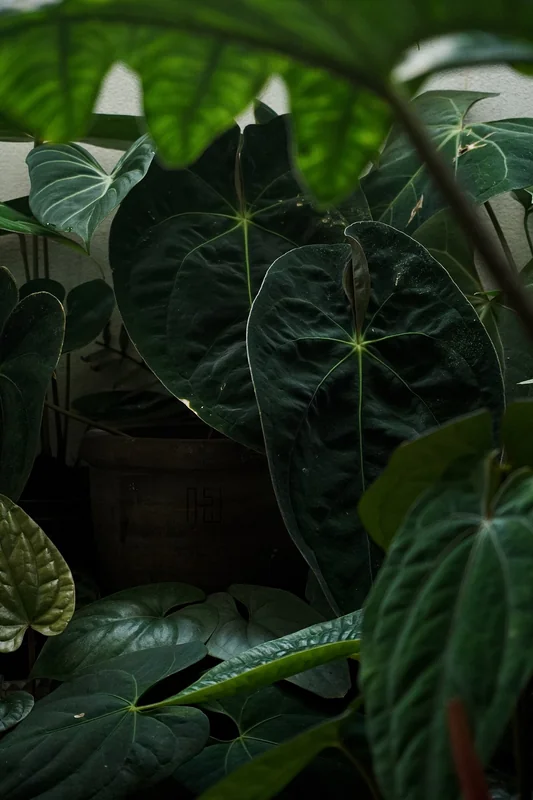
Anthurium carlablackiae is one of the most sought-after velvet-leaf anthuriums among collectors worldwide. Native to Panama, it produces enormous, deeply ribbed leaves up to 70 cm long with a velvety matte surface and brilliantly contrasting pale venation. Named in honour of botanist Carla Black, it is a slow-growing species that requires exacting humidity and warmth but rewards growers with leaves of incomparable beauty.
Care facts at a glance
- Light
- Bright indirect
- Water
- Water when the top 2 cm of the mix has dried; maintain slight residual moisture in the root zone.
- Humidity
- 75–95 %
- Temperature
- 19–28 °C
- Soil
- Extremely open aroid mix: coarse bark, chunky perlite, and live sphagnum moss.
- Origin
- Humid lowland and foothill forests of Panama.
- Mature size
- 60 to 100 cm tall; leaves 50 to 70 cm long.
Overview
Anthurium carlablackiae was described by Thomas Croat. Its leaves rank among the largest of the velvet-leaf anthuriums and have a deeply ridged surface with very prominent lateral veins. The species is in high demand in the collector market due to its rarity and spectacular appearance; authenticated specimens command significant prices.
Care Priorities
- Humidity above 75 percent at all times is the single most critical requirement; a grow cabinet or enclosed space is strongly recommended.
- Bright, diffused light — too little causes etiolation, too much bleaches the velvet.
- Extremely well-draining substrate is essential; this species rots rapidly in dense potting mixes.
- Stability in temperature and humidity is more important than any other single factor.
Common Problems
New leaves that arrive distorted, with holes or necrotic patches, almost always indicate thrip infestation on the unfurling growth — inspect very carefully and treat systemically if needed. Root rot from improperly draining mixes is the leading cause of plant death; use only chunky substrates and terracotta or net pots when possible. Brown leaf edges mean low humidity.
Sources & further reading (2)
- botanical-garden — accessed 2026-05-08
- encyclopedia — accessed 2026-05-08
Frequently asked questions
Is A. carlablackiae suitable for beginners?
No — it is an advanced collector's plant that requires stable high humidity above 75 percent and perfectly draining substrate. Beginners should start with A. crystallinum or A. clarinervium first.
How long does a new leaf take to unfurl?
Three to six weeks from bud emergence to fully expanded leaf is typical. Protect the cataphyll stage from dry air to prevent damage to the unfurling blade.
Can it be grown in a terrarium?
A large, well-ventilated terrarium is ideal. Good airflow is essential — stagnant, saturated air encourages fungal disease even if humidity is high.