Haworthia cooperi
Haworthia cooperi Care Guide
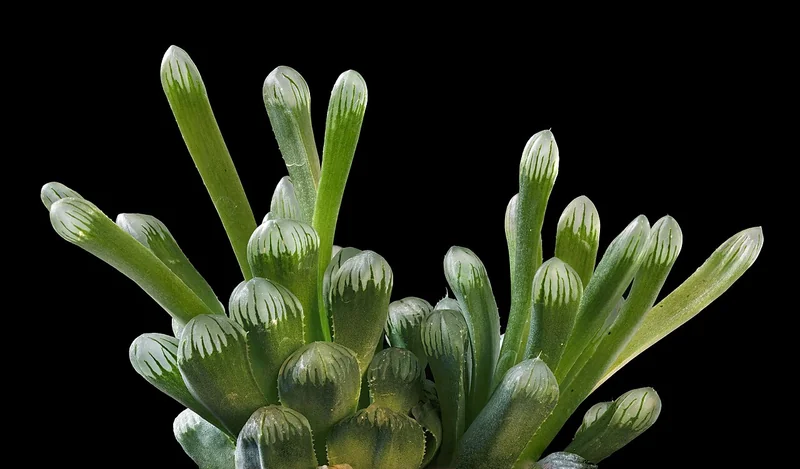 Featured photohaworthia-cooperi.jpg
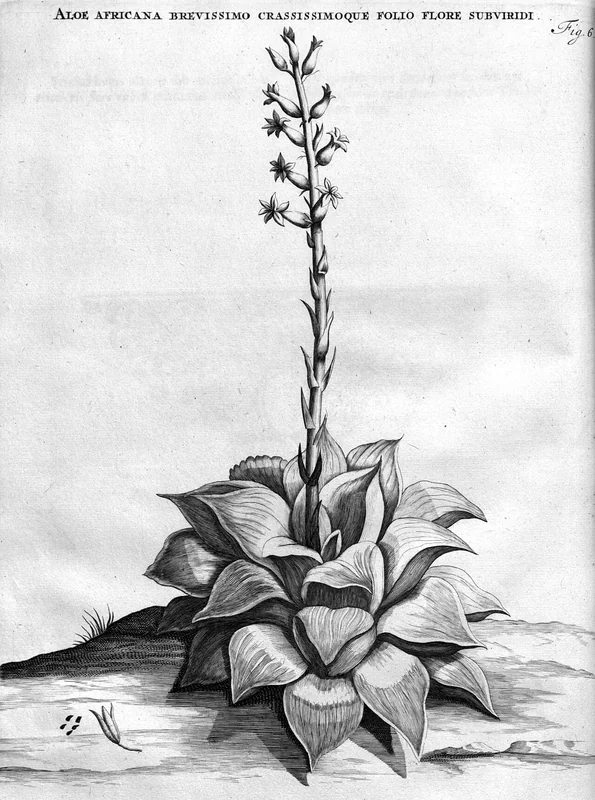
Haworthia cooperi is a small rosette-forming succulent from the Eastern Cape of South Africa. Its most remarkable feature is the translucent, windowed tip at the end of each fleshy leaf, which allows light to penetrate into the leaf interior where photosynthesis occurs — an adaptation to life partially buried in soil in its native habitat. The many cultivated varieties range from compact, round-tipped to elongated, blue-green forms, all sharing the characteristic glassy windows.
Care facts at a glance
- Light
- Bright indirect
- Water
- Water thoroughly when the soil has fully dried, roughly every 2 to 3 weeks in summer and once a month or less in winter.
- Humidity
- 30–60 %
- Temperature
- 10–30 °C
- Soil
- Cactus and succulent mix with additional perlite or coarse grit for sharp drainage.
- Origin
- Grasslands and rocky outcrops of the Eastern Cape, South Africa.
- Mature size
- 5 to 10 cm tall; rosette 5 to 8 cm across.
Overview
Haworthia cooperi was described by Baker in 1880. In its natural habitat it grows partially buried in sandy or clay soils, with only the windowed leaf tips exposed to light. Botanists recognise numerous varieties and cultivars, including var. truncata (fully flat tips), var. pilifera (with hair-like leaf tips), and var. venusta (with silvery hairs). All share the glassy-window adaptation that makes this genus so appealing.
Care Priorities
- Bright, indirect light is ideal; direct summer sun bleaches and damages the translucent windows.
- Allow the soil to dry completely between waterings — partial drying is not enough.
- Use a well-draining succulent substrate; standard potting compost retains too much moisture.
- Pot in terracotta to allow excess moisture to evaporate through the walls.
Common Problems
Leaves turning brown or papery at the tips usually means the plant is getting too much direct sun; move to a position with filtered light. Mushy, translucent leaves at the base signal root rot from overwatering — unpot immediately, trim rotted roots, and replant in dry soil. Root mealybugs are the most common pest; check the roots when repotting and treat with systemic insecticide if discovered.
Sources & further reading (2)
- botanical-garden — accessed 2026-05-08
- encyclopedia — accessed 2026-05-08
Frequently asked questions
Why does my H. cooperi have windows at the leaf tips?
In nature these plants grow with only the leaf tips exposed above soil. The translucent windows allow sunlight to penetrate deep into the leaf where chlorophyll is concentrated, maximising photosynthesis while minimising water loss.
Is it safe to put it in direct sunlight?
Bright indirect light is safer. Harsh direct afternoon sun scorches the windows and can cause irreversible damage. A north- or east-facing windowsill in the northern hemisphere is usually ideal.
My plant is offsetting a lot — should I remove the offsets?
Only if the pot is crowded or you want to propagate. Offsets can be gently removed with a clean blade and potted separately. Many growers leave them to form attractive multi-rosette clumps.