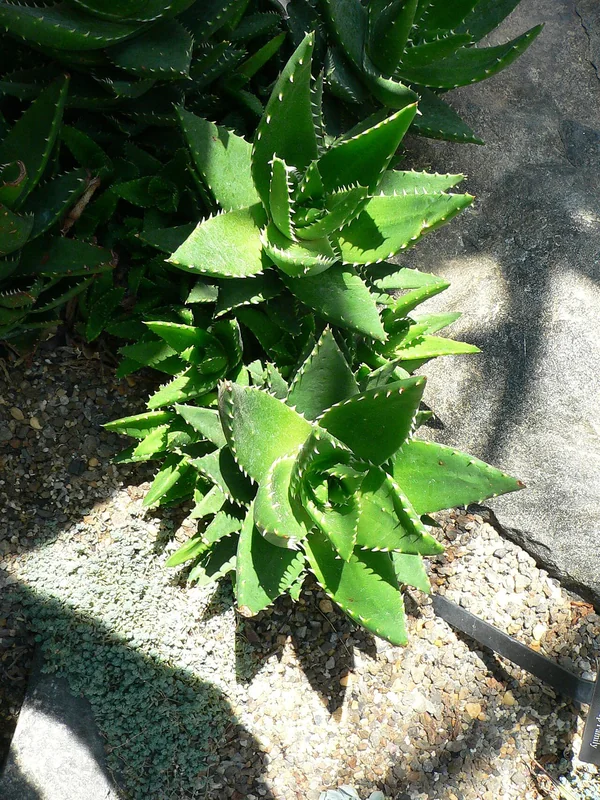
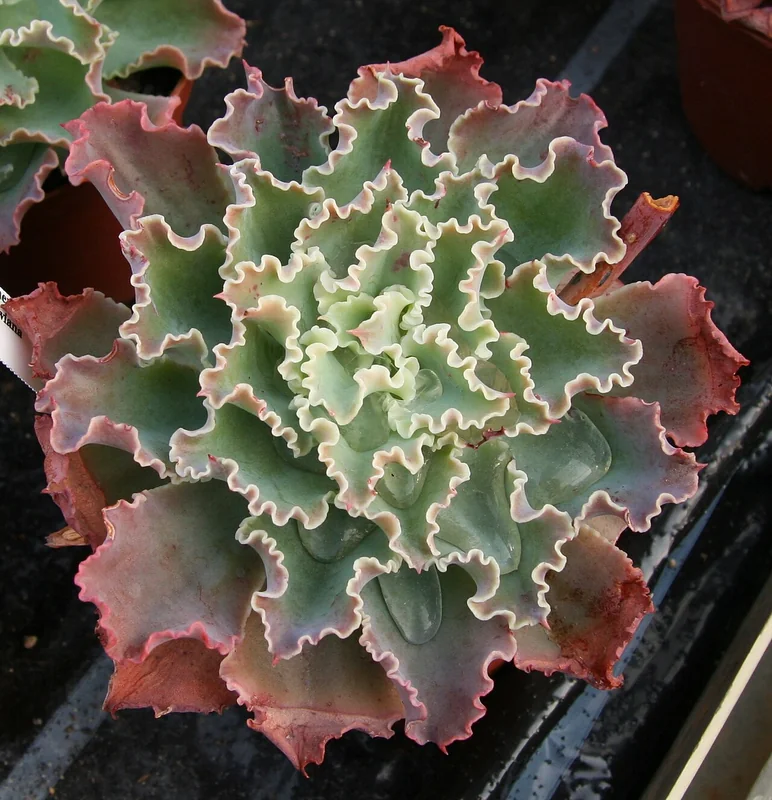
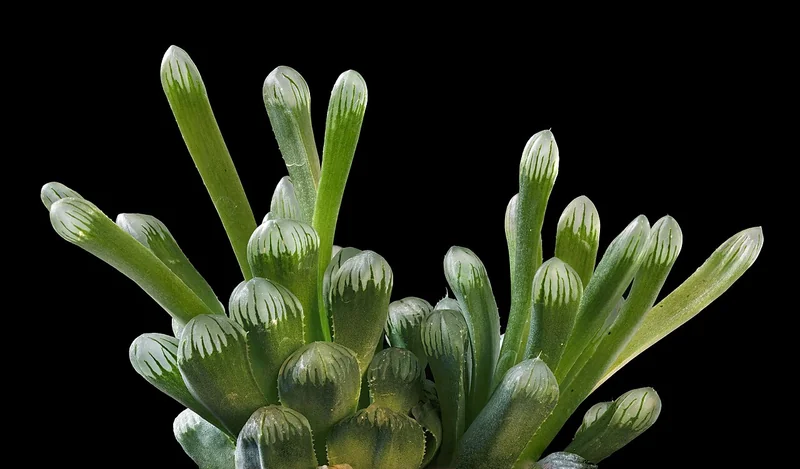
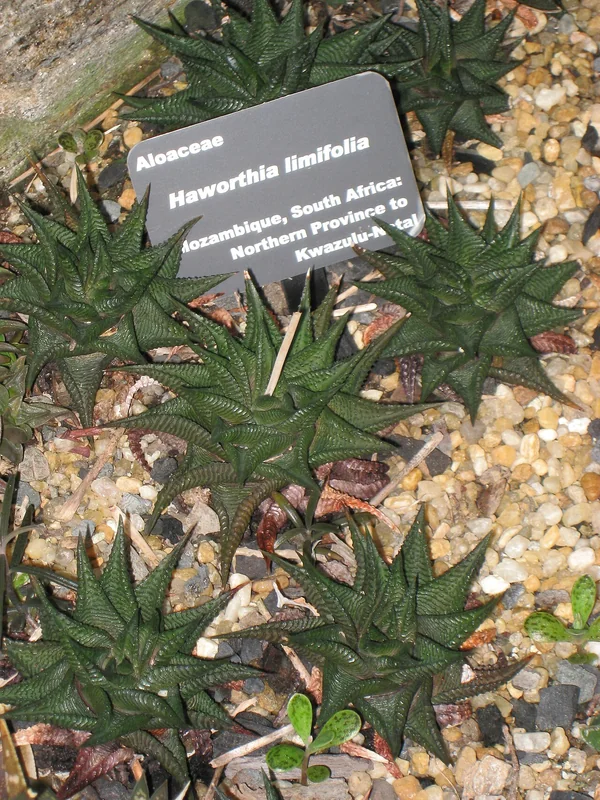
Gasteria bicolor
Gasteria bicolor (Ox Tongue) Care Guide
 Featured photogasteria-bicolor.jpg
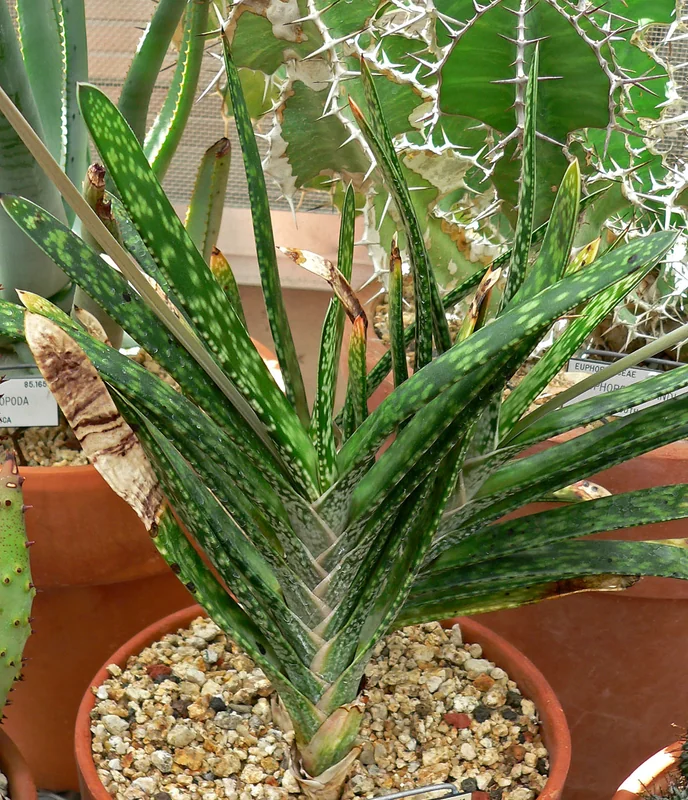
Gasteria bicolor is the ox tongue succulent, a South African succulent with thick, dark-green, tongue-shaped leaves arranged in stacked fans that mature into rosettes. The leaves are flecked with pale green or white spots. It tolerates lower light than most succulents and is one of the most forgiving rosette succulents for beginners.
Care facts at a glance
- Light
- Bright indirect
- Water
- Water when the mix is fully dry.
- Humidity
- 30–50 %
- Temperature
- 15–27 °C
- Soil
- Free-draining cactus or succulent mix.
- Origin
- Eastern and Western Cape, South Africa.
- Mature size
- 15 to 25 cm tall.
Overview
Gasteria bicolor is closely related to Aloe and Haworthia and shares their preference for shaded rocky habitats. The tongue-shaped leaves are the source of the trade name.
Care Priorities
- Bright indirect light or a little direct morning sun.
- Water rarely.
- Free-draining mix.
- Tolerates lower light than most succulents.
Common Problems
Mushy base is overwatering. Stretched leaves are low light. Brown spots can be sunburn from sudden full-sun exposure.
Sources & further reading (2)
- encyclopedia — accessed 2026-04-28
- botanical-garden — accessed 2026-04-28
Frequently asked questions
Aloe, gasteria, haworthia — same family?
All in the Asphodelaceae family and broadly related. Care is similar across the three.
Why is the leaf arrangement so flat?
Juvenile gasteria grow leaves in a flat distichous (two-rank) arrangement before transitioning to rosette form with age.
Best display?
A small shallow pot or shared dish garden with other slow rosette succulents.