Echeveria setosa
Echeveria setosa Care Guide
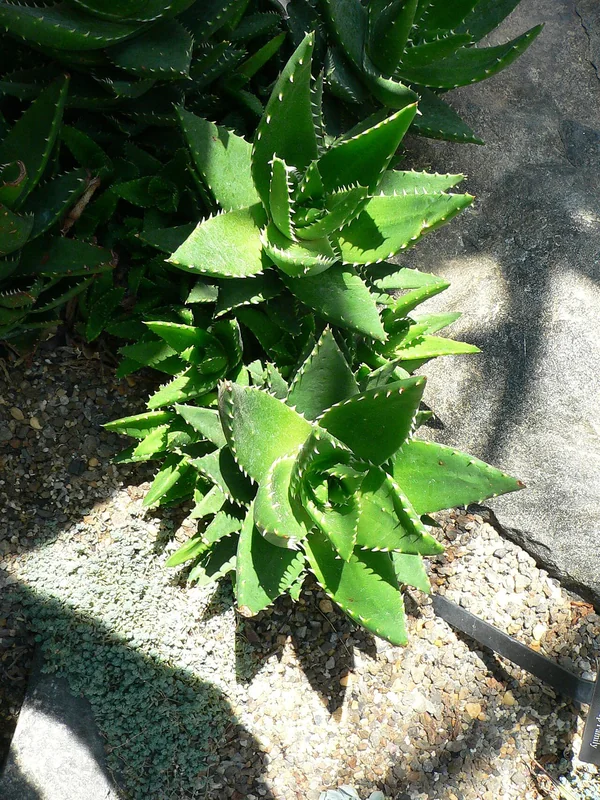 Featured photoecheveria-setosa.jpg
Echeveria setosa, the Mexican firecracker plant, produces flat, densely packed rosettes of dark-green leaves completely covered in fine white hairs (setae) that give the plant a soft, silvery appearance. Native to Puebla in Mexico, it flowers in spring with spectacular clusters of red-tipped, yellow-based tubular flowers on arching stems. The hairy leaf surface helps reflect intense sunlight and retain moisture — an adaptation to exposed Mexican highlands.
Care facts at a glance
- Light
- Bright indirect
- Water
- Water when the soil has dried completely; roughly every 2 to 3 weeks in summer.
- Humidity
- 30–60 %
- Temperature
- 5–35 °C
- Soil
- Gritty succulent mix; standard cactus compost with added perlite.
- Origin
- Rocky slopes and cliffs of Puebla, Mexico.
- Mature size
- 8 to 15 cm tall; rosette 10 to 20 cm across.
Overview
Echeveria setosa was described by Rose and Purpus in 1905. The species name 'setosa' refers to the dense covering of setae (bristle-like hairs) on the leaves. It is a parent of many popular hybrids including 'Doris Taylor', which crosses setosa with E. pulvinata. The species is generally monocarpic (the main rosette dies after flowering) but offsets ensure the plant persists.
Care Priorities
- Always water at the base, not over the leaves — trapped moisture in the hairy rosette causes crown rot quickly.
- Full sun to bright indirect light is ideal; the hairy surface tolerates more direct sun than smooth-leaved echeverias.
- Use very well-draining substrate and a terracotta pot.
- Do not mist; the fine hairs become waterlogged and fungal disease follows.
Common Problems
Rotting at the rosette centre is almost always caused by water trapped in the hairy leaves; switch to soil-level watering immediately. Stretched, floppy rosettes indicate insufficient light — move to a sunnier window. Mealybugs can hide in the white hairs and are difficult to spot; check carefully and treat with systemic insecticide if needed.
Sources & further reading (2)
- botanical-garden — accessed 2026-05-08
- encyclopedia — accessed 2026-05-08
Frequently asked questions
My E. setosa flowered and then the main rosette died. Is this normal?
Yes — echeverias are typically monocarpic; the flowering rosette dies after setting seed. However, the plant should have produced offsets before or after flowering that will continue growing.
Can I propagate from the hairy leaves?
Yes, but success rates are lower than with smooth echeveria leaves. Remove a healthy leaf cleanly and place it on barely moist succulent mix without burying the base.
How do I clean dust from the hairy leaves?
Use a very soft brush (such as a watercolour brush) to gently dust the hairs. Avoid water; cleaning with damp cloths is not suitable for hairy succulents.