Guzmania lingulata
Guzmania lingulata Care Guide
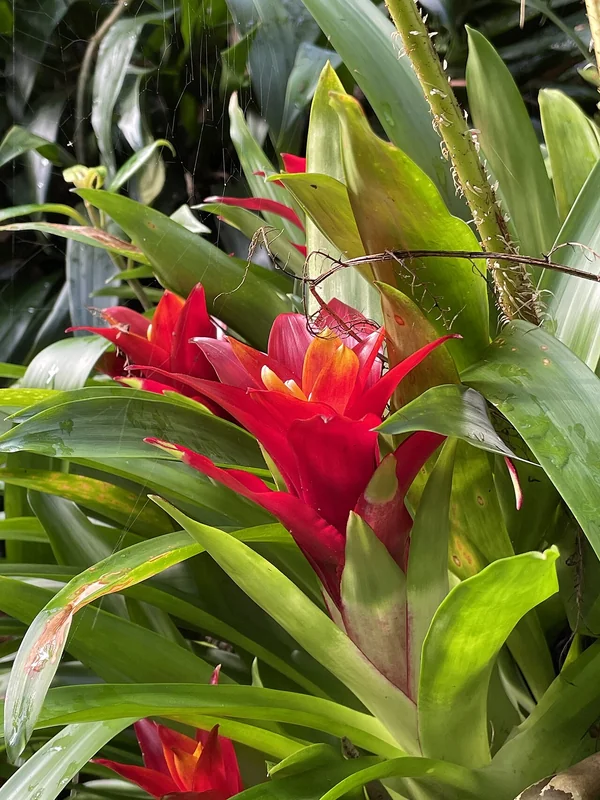 Featured photoguzmania-lingulata.jpg
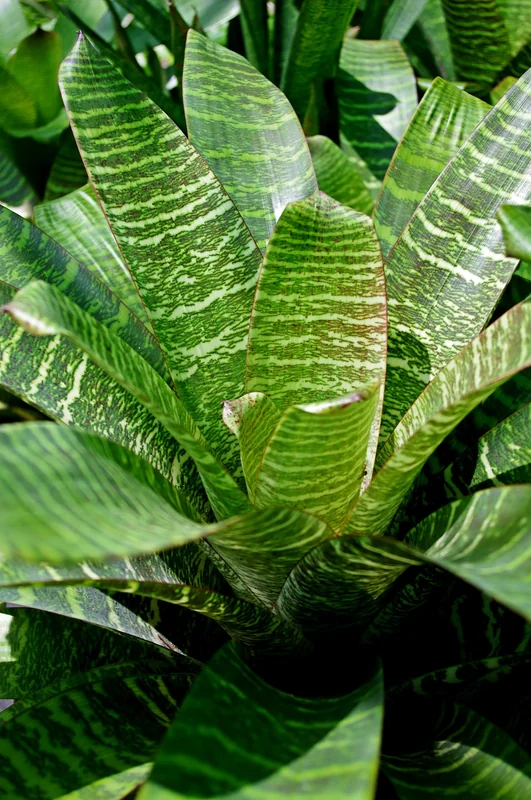
Guzmania lingulata, the scarlet star, is one of the most widely cultivated bromeliads, producing a glossy, bright-green rosette of strap-like leaves and a dramatic central inflorescence of vivid red, orange, yellow, or white bracts — depending on the cultivar — that can last for 3 to 6 months. Native to Central and South America, it grows as an epiphyte in humid rainforests and is grown indoors worldwide for its spectacular and long-lasting colour display. It is tolerant of lower light than many bromeliads, making it one of the most practical indoor flowering plants.
Care facts at a glance
- Light
- Medium light
- Water
- Keep the central rosette cup filled with fresh water at all times; refresh every week. Water the soil moderately.
- Humidity
- 55–80 %
- Temperature
- 15–30 °C
- Soil
- Epiphytic bromeliad mix: coarse bark, perlite, minimal compost. Does not need a large pot.
- Origin
- Humid rainforests of southern Mexico, Central America, and northern South America.
- Mature size
- 30 to 50 cm tall; rosette 30 to 40 cm across.
Overview
Guzmania lingulata was described by (L.) Mez and has been in cultivation since the 19th century. Many cultivars in red, orange, yellow, white, and bicolour forms have been selected from this species and from hybrids with related guzmanias. The species is naturally very shade-tolerant — it grows on forest floors and in the shade of larger bromeliads in nature — making it the most adaptable bromeliad for typical indoor conditions. The true flowers are small and white, emerging from between the showy bracts.
Care Priorities
- Indirect light or low-medium light; it tolerates dim conditions better than most bromeliads.
- Always keep the cup filled; this is the primary moisture source for the plant.
- High humidity prevents browning leaf tips.
- Avoid direct sun, which rapidly fades the flower bracts and bleaches the leaves.
Common Problems
Flower bracts fading prematurely are caused by direct sun or very low humidity — move to a shadier, more humid position. Brown leaf tips indicate low humidity; mist the area or use a pebble tray. Heart rot from stagnant cup water produces a foul smell and soft centre; flush and clean the cup regularly and ensure the room has good airflow.
Sources & further reading (2)
- botanical-garden — accessed 2026-05-08
- encyclopedia — accessed 2026-05-08
Frequently asked questions
How long do the coloured bracts last?
Typically 3 to 6 months from when the inflorescence fully emerges. Avoiding direct sun and maintaining good humidity extends the display.
Can I induce my guzmania to flower?
Place the plant in an airtight bag with a ripe apple for 5 to 7 days. The ethylene gas released by the apple triggers flowering in bromeliads. Results take 6 to 12 weeks to appear.
After the flower dies, will it bloom again?
The main rosette flowers only once, then produces pups and declines. The pups, when mature, will each flower once. Maintain a colony of pups for ongoing bloom cycles.