Zamioculcas zamiifolia 'Dowon'
Raven ZZ Plant Care Guide (Zamioculcas zamiifolia 'Dowon')
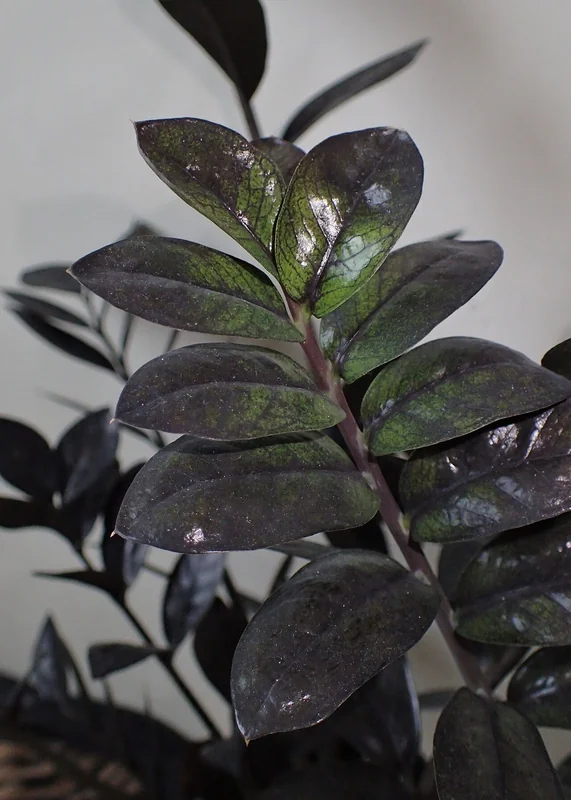 Featured photozamioculcas-zamiifolia-dowon.jpg
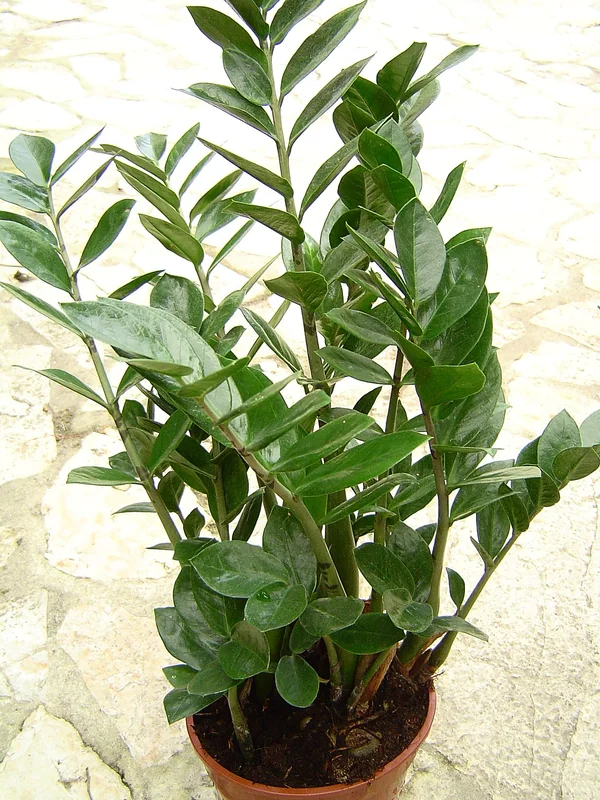
The Raven ZZ Plant (Zamioculcas zamiifolia 'Dowon') is a highly resilient houseplant known for its striking, nearly black leaves that emerge bright green. It's an excellent choice for beginners or those seeking a low-maintenance plant, tolerating a wide range of conditions. This guide will help you keep your Raven ZZ thriving with minimal effort, focusing on its specific needs.
Care facts at a glance
- Light
- Medium light
- Water
- Water thoroughly only when the soil has completely dried out, which can be every 2-4 weeks or even longer depending on light, temperature, and pot size.
- Humidity
- 40–60 %
- Temperature
- 18–29 °C
- Soil
- A well-draining potting mix is crucial. Use a mix formulated for cacti and succulents, or amend a standard houseplant potting mix with perlite, coarse sand, or pumice to ensure excellent drainage.
- Origin
- Native to the dry grasslands and forests of eastern Africa, ranging from Kenya south to northeastern South Africa.
- Mature size
- Indoors, the Raven ZZ typically grows to about 2-3 feet (60-90 cm) tall and wide, though it can reach slightly larger sizes in optimal conditions.
Overview
The Raven ZZ Plant, Zamioculcas zamiifolia 'Dowon', is a striking cultivar of the popular ZZ Plant, celebrated for its unique dark, almost black foliage that contrasts beautifully with new bright green growth. This plant is incredibly resilient and forgiving, making it an ideal choice for busy plant parents or those new to houseplants. Its ability to thrive in various conditions, from low light to periods of neglect, has earned it a reputation as one of the toughest indoor plants.
Care Priorities
The most critical aspect of Raven ZZ Plant care is watering. Always allow the soil to dry out completely between waterings to prevent root rot, which is its biggest enemy. While it tolerates low light, providing medium to bright indirect light will encourage healthier growth and more vibrant foliage. Beyond that, it appreciates average room temperatures and well-draining soil.
Common Problems
The primary issue for Raven ZZ Plants is overwatering, leading to mushy stems and root rot. If leaves turn yellow and stems feel soft, reduce watering immediately. Pests are rare, but occasionally mealybugs, spider mites, or scale may appear. Inspect your plant regularly and treat any infestations promptly with insecticidal soap or neem oil.
Sources & further reading (3)
- dataset — accessed 2026-04-24
- botanical-garden — accessed 2024-07-30
- botanical-garden — accessed 2024-07-30
Frequently asked questions
Why are my Raven ZZ leaves turning yellow?
Yellowing leaves, especially combined with soft stems, are usually a sign of overwatering. Ensure the soil dries out completely between waterings. It can also be a sign of too little light, but overwatering is more common.
How often should I fertilize my Raven ZZ Plant?
Raven ZZ Plants are not heavy feeders. Fertilize sparingly, once every 2-3 months during spring and summer, using a diluted liquid houseplant fertilizer. Avoid fertilizing in fall and winter when the plant's growth slows.
Can Raven ZZ Plants tolerate low light?
Yes, Raven ZZ Plants are famously tolerant of low light conditions, making them suitable for shadier spots. However, they will grow faster and develop more robust foliage in medium to bright indirect light.
How do I propagate a Raven ZZ Plant?
Raven ZZ Plants can be propagated through division of their rhizomes, or by taking stem or leaf cuttings. Leaf cuttings can take a very long time to root and produce new growth, often several months.