Ferocactus wislizeni
Ferocactus wislizeni Care Guide
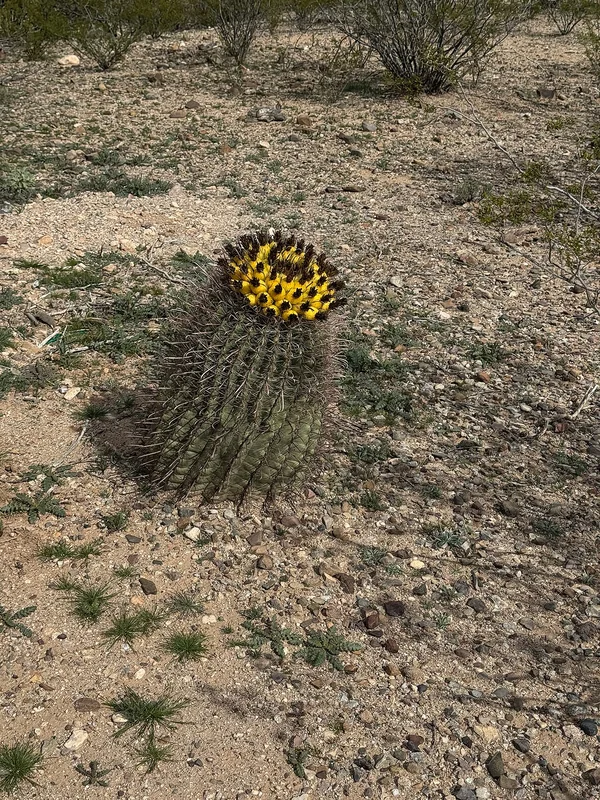 Featured photoferocactus-wislizeni.jpg
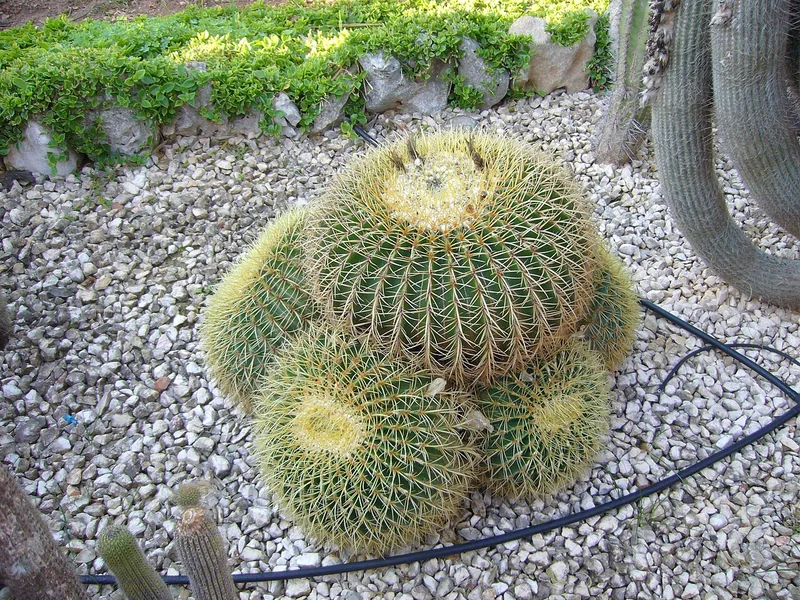
Ferocactus wislizeni is a large barrel cactus from the Sonoran Desert of Arizona, New Mexico, and northern Mexico, characterised by its stout, hooked, red-and-yellow central spines and prominent ribs. In habitat it tilts south-southwest over its lifetime, earning the folk name 'Compass Cactus'. Orange-red flowers ring the woolly apex in summer to autumn, followed by yellow fruits that persist on the plant for months. A slow-growing, long-lived specimen plant, it rewards collectors with an impressive, architecturally bold presence and requires minimal care.
Care facts at a glance
- Light
- Bright indirect
- Water
- Water every 14 to 21 days in summer; once a month in autumn; withhold completely in winter.
- Humidity
- 15–45 %
- Temperature
- 5–45 °C
- Soil
- Very free-draining cactus mix: 50% coarse grit or perlite, 50% cactus compost. Terracotta pot strongly recommended.
- Origin
- Sonoran Desert of southern Arizona, southwestern New Mexico (USA), and Sonora and Chihuahua states, Mexico.
- Mature size
- Tall cylinder to 60–90 cm indoors; to 2 m in habitat over many decades.
Overview
Ferocactus wislizeni (Engelm.) Britton & Rose was described in 1922 from collections made by the American physician Friedrich Adolphus Wislizenus during a survey of the US-Mexican border in the 1840s. The genus name Ferocactus means 'fierce cactus' — an apt description of the formidable armament. The central spines are dimorphic: one strong, hooked central spine (giving the 'fishhook' common name) surrounded by straighter, flattened lateral central spines. The persistent yellow fruits, which remain on the plant for over a year after ripening, are a notable ornamental feature. The famous southward tilt of old specimens in habitat results from the growth advantage of the south-facing side in the northern hemisphere.
Care Priorities
- Maximum direct sunlight is essential for compact, symmetrical growth; in shade the barrel elongates and loses its round shape.
- A terracotta pot is strongly preferred; it allows faster moisture loss through the walls and prevents root-zone saturation.
- The hooked central spines are extremely difficult to remove from skin and clothing; use very thick gloves and folded newspaper for all handling.
- Complete winter dryness (October to March) prevents the root rot that is this cactus's primary cause of failure in cultivation.
- Rotate the pot occasionally to prevent one-sided lean toward the light source.
Common Problems
Root rot from winter watering is the primary cause of death; maintain complete winter dryness, especially if temperatures drop below 15 °C. Mealybugs at the base of spines and in the woolly areoles are the most common pest; systemic insecticide drench is the most effective treatment. Elongation (the barrel becoming taller and narrower rather than maintaining its rounded shape) indicates insufficient light; move to a full-sun position. Corky scars on the sides of the barrel from old spine damage or physical contact are permanent; they do not indicate disease.
Sources & further reading (2)
- botanical-garden — accessed 2026-05-27
- encyclopedia — accessed 2026-05-27
Frequently asked questions
Is it really a compass?
Old specimens in the Sonoran Desert famously lean south-southwest over their lifetimes, which led to the folk name 'Compass Cactus'. The lean results from the south-facing side growing more vigorously (more sunlight in the northern hemisphere). Early desert travellers reportedly used large specimens as navigational aids. Indoor specimens in rotating pots do not develop a lean.
Are the hooked spines dangerous?
Significantly — the central hooked spine grabs and holds fabric, skin, and animal fur with considerable force. Removing one from skin requires careful extraction in the direction of the hook. The spines also break off inside wounds, causing inflammation. Use thick gloves and folded newspaper for all handling, and do not place the plant near paths or seating areas.
How old do they get?
Ferocactus wislizeni in habitat are estimated to live 100–130 years, reaching their maximum height of about 2 m in the latter decades of life. A 30 cm indoor specimen may be 15–25 years old. The slow growth is part of the appeal — a large specimen represents genuine decades of history.