Fatsia japonica
Fatsia japonica Care Guide: Japanese Aralia Houseplant
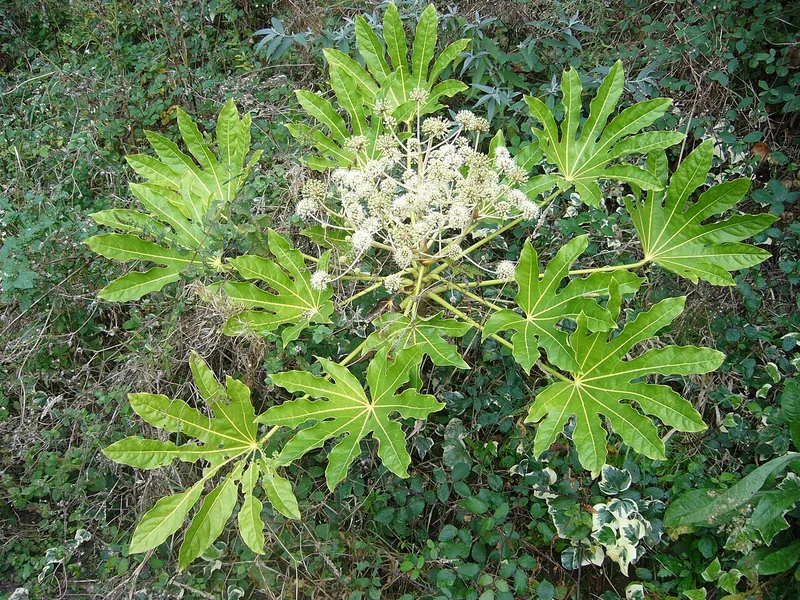 Featured photofatsia-japonica.jpg
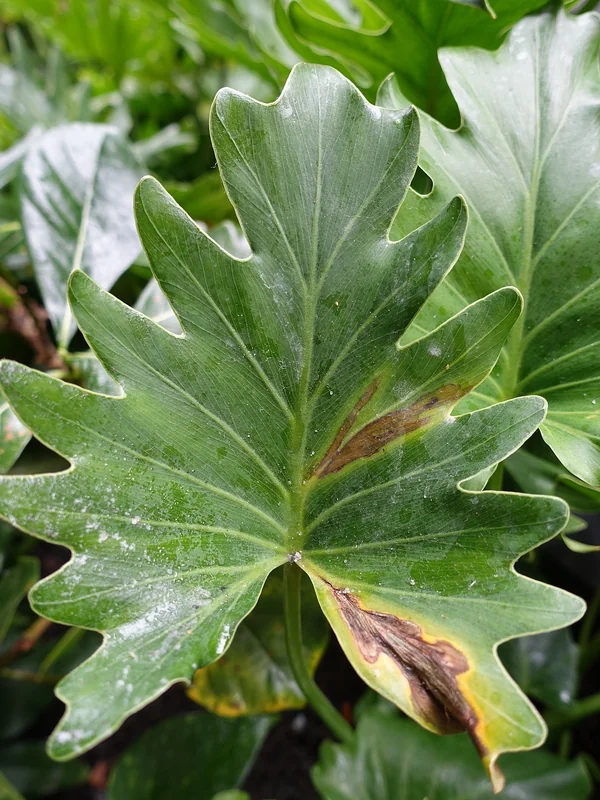
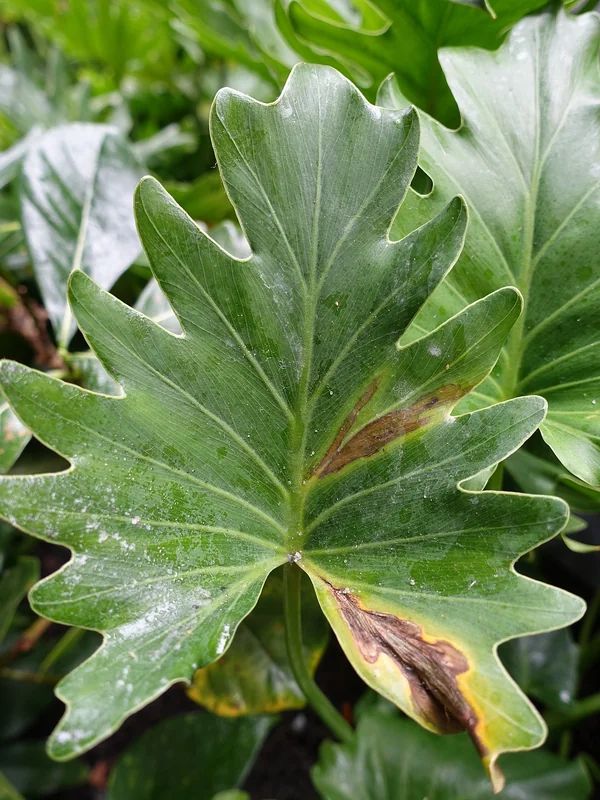
Fatsia japonica, or Japanese Aralia, is a striking evergreen shrub known for its large, glossy, deeply lobed leaves. It's a popular choice for both indoor and outdoor settings due to its architectural appeal and relatively easy care. This plant thrives in shadier spots and can add a tropical feel to any space, making it a versatile addition to your plant collection.
Care facts at a glance
- Light
- Bright indirect
- Water
- Water thoroughly when the top inch or two of soil feels dry to the touch, allowing excess water to drain away.
- Humidity
- 50–70 %
- Temperature
- 10–24 °C
- Soil
- A well-draining, rich potting mix is ideal. A mix containing peat moss, perlite, and compost will provide good aeration and moisture retention without becoming waterlogged, which is crucial for root health.
- Origin
- Native to southern Japan, Korea, and Taiwan, where it naturally grows in coastal forests and woodlands, often in shaded understory conditions.
- Mature size
- Indoors, it typically reaches 3-6 feet (1-2 meters) tall and wide. Outdoors, it can grow much larger, up to 10-15 feet (3-4.5 meters) tall and wide.
Overview
The Japanese Aralia, Fatsia japonica, is a versatile evergreen shrub celebrated for its bold, palmate leaves. These glossy, dark green leaves can grow up to 16 inches wide, creating a dramatic focal point. While often grown outdoors in temperate climates, it makes an excellent, architectural houseplant that can adapt to various indoor conditions, bringing a touch of the tropics to your home.
Care Priorities
To keep your Fatsia japonica thriving, focus on providing consistent moisture without overwatering, especially during the growing season. It prefers bright, indirect light but can tolerate shadier conditions, though growth may be slower. Protect it from direct, harsh sunlight, which can scorch its leaves. Ensure good air circulation to prevent fungal issues and regularly check for pests.
Common Problems
Yellowing leaves often indicate overwatering or poor drainage, leading to root rot. Brown, crispy leaf edges can signal low humidity or underwatering. Pests like spider mites and aphids can be managed with regular inspection and insecticidal soap. Leggy growth might mean your plant isn't getting enough light, suggesting a move to a brighter spot.
Sources & further reading (4)
- encyclopedia — accessed 2026-04-24
- dataset — accessed 2026-04-24
- botanical-garden — accessed 2024-04-28
- botanical-garden — accessed 2024-04-28
Frequently asked questions
Why are my Fatsia japonica leaves turning yellow?
Yellowing leaves often suggest overwatering or poor drainage, which can lead to root rot. Ensure the soil dries out slightly between waterings and that your pot has adequate drainage holes to prevent waterlogging.
Can Fatsia japonica tolerate low light?
While Fatsia japonica prefers bright, indirect light for optimal growth, it is quite tolerant of lower light conditions. However, in very dim areas, its growth may become leggy, and the leaves might not be as large or vibrant.
How often should I fertilize my Japanese Aralia?
During the active growing season (spring and summer), fertilize your Fatsia japonica every 2-4 weeks with a balanced liquid houseplant fertilizer. Reduce or stop feeding during the fall and winter months.
What kind of soil does Fatsia japonica need?
Fatsia japonica thrives in a rich, well-draining potting mix. A good blend would include peat moss, perlite, and compost to ensure both moisture retention and proper aeration for healthy roots.