Philodendron pogonocaule
Philodendron pogonocaule Care Guide
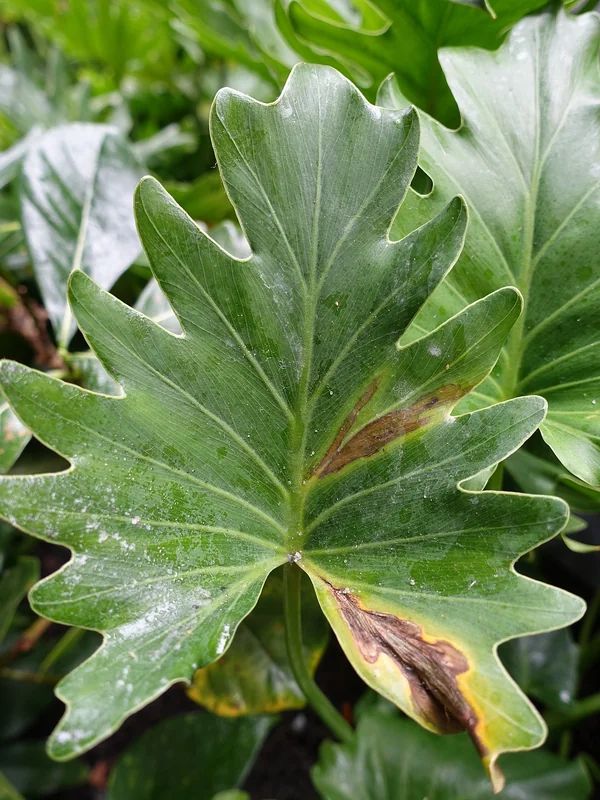 Featured photophilodendron-pogonocaule.jpg
Philodendron pogonocaule is a fascinating tropical plant from the Araceae family, native to Colombia. While less common than some other Philodendron species, it shares many of their easy-care characteristics. This plant is known for its unique stem features, making it a distinctive addition to any houseplant collection. Provide it with bright, indirect light and consistent moisture for best growth.
Care facts at a glance
- Light
- Bright indirect
- Water
- Water thoroughly when the top 2-3 cm (1 inch) of soil feels dry to the touch, allowing excess water to drain away.
- Humidity
- 60–80 %
- Temperature
- 18–29 °C
- Soil
- A well-draining, airy potting mix is essential for Philodendron pogonocaule. A good blend includes orchid bark, perlite, and coco coir or peat moss to provide both drainage and moisture retention, mimicking its natural epiphytic or hemiepiphytic habitat.
- Origin
- Native to the tropical rainforests of Colombia, where it grows as a hemiepiphyte, often climbing on trees.
- Mature size
- Indoors, it can reach several feet in length, especially if given a support to climb, but its size is easily managed by pruning.
Overview
Philodendron pogonocaule is a unique member of the Philodendron genus, appreciated by collectors for its distinctive appearance. Like many of its relatives, it's a relatively easy-care houseplant, making it suitable for those with some experience in tropical plant care. Its natural habitat suggests a need for warmth and humidity, which are key to its indoor success.
Care Priorities
To keep your Philodendron pogonocaule healthy, focus on these key areas:
- Light: Provide bright, indirect light; direct sun can scorch its leaves.
- Water: Keep the soil consistently moist but never soggy; allow the top layer to dry out between waterings.
- Humidity: Aim for high humidity, ideally above 60%, to mimic its native environment.
- Soil: Use a well-draining, airy mix to prevent root issues.
Common Problems
Overwatering is the most common issue, leading to root rot, which manifests as yellowing leaves and a soft stem base. Insufficient humidity can cause crispy leaf edges or slow growth. Pests like spider mites or mealybugs can appear, especially in dry conditions, so regular inspection is important for early detection and treatment.
Sources & further reading (5)
- encyclopedia — accessed 2026-04-24
- dataset — accessed 2026-04-24
- botanical-garden — accessed 2024-04-25
- botanical-garden — accessed 2024-04-25
- botanical-garden — accessed 2024-04-25
Frequently asked questions
How do I know if my Philodendron pogonocaule needs water?
Check the top 2-3 cm (1 inch) of soil with your finger. If it feels dry, it's time to water. If it's still damp, wait a few more days.
Why are the leaves on my Philodendron pogonocaule turning yellow?
Yellowing leaves often indicate overwatering and potential root rot. Ensure your pot has drainage holes and you're letting the topsoil dry out between waterings. It can also be a sign of nutrient deficiency or natural aging of older leaves.
Does Philodendron pogonocaule need a moss pole?
As a hemiepiphyte, Philodendron pogonocaule naturally climbs. Providing a moss pole or other support can encourage larger leaf growth and a more upright, natural form, though it can also be grown as a trailing plant.
What kind of light is best for Philodendron pogonocaule?
Bright, indirect light is ideal. This means a spot near a window that gets plenty of light but where the sun's rays don't directly hit the leaves. Too much direct sun can burn the foliage.