Philodendron consanguineum
Philodendron consanguineum Care Guide
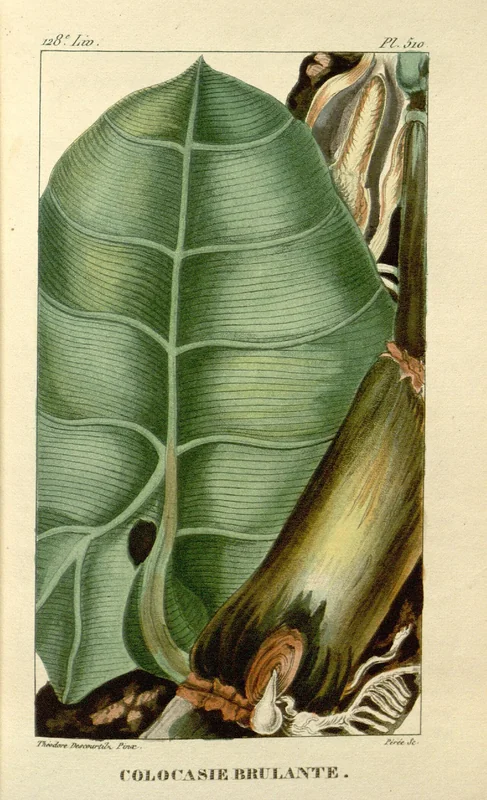 Featured photophilodendron-consanguineum.jpg
The Philodendron consanguineum is a beautiful tropical plant known for its attractive foliage and vining habit. It thrives in conditions mimicking its native rainforest habitat, requiring bright, indirect light and consistent moisture. This guide will help you understand its specific needs to keep it flourishing indoors, bringing a touch of the tropics to your home.
Care facts at a glance
- Light
- Bright indirect
- Water
- Water your Philodendron consanguineum when the top 1-2 inches of soil feel dry to the touch, ensuring the pot has good drainage.
- Humidity
- 60–80 %
- Temperature
- 18–29 °C
- Soil
- Use a well-draining, airy potting mix rich in organic matter. An aroid mix containing components like orchid bark, perlite, and coco coir or peat moss is ideal to prevent waterlogging and promote healthy root development.
- Origin
- Native to the tropical rainforests of Central and South America, including countries like Costa Rica, Panama, Colombia, and Ecuador.
- Mature size
- Indoors, its vining stems can reach several feet in length, often requiring support like a moss pole or trellis to climb and encourage larger leaf development.
Overview
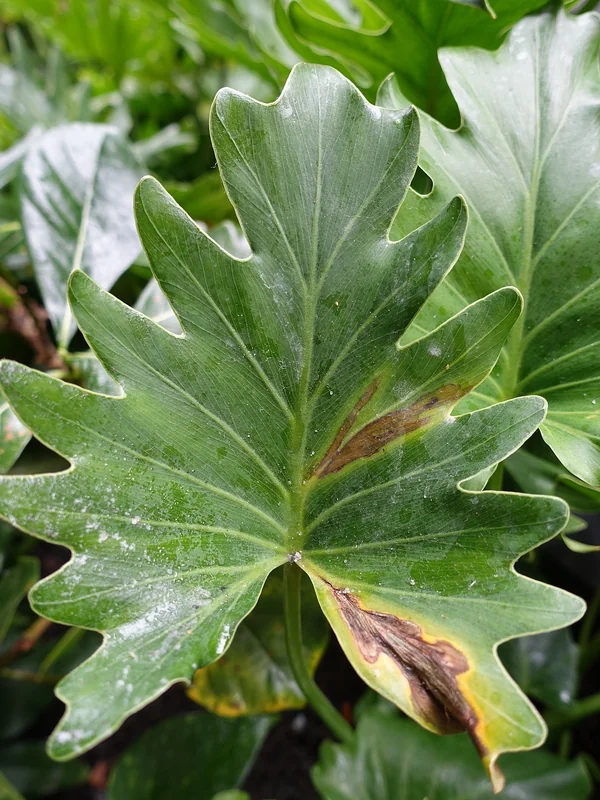
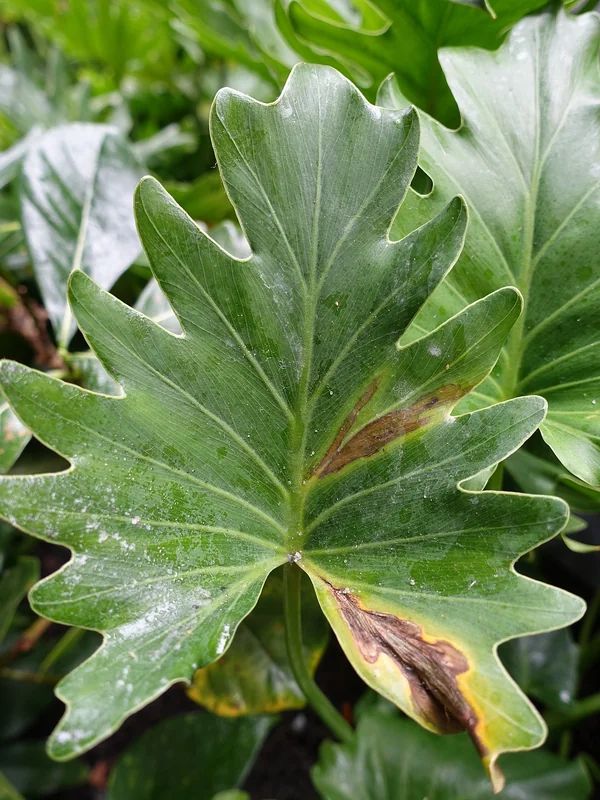
The Philodendron consanguineum is a striking member of the Araceae family, known for its attractive, often elongated leaves and vining habit. In its natural habitat, it climbs trees, using aerial roots to anchor itself. As a houseplant, it brings a touch of the tropics indoors, adapting well to container life with proper care. Its relatively moderate growth rate makes it a rewarding plant for both beginners and experienced enthusiasts.
Care Priorities
- Light: Provide bright, indirect light to encourage lush growth and prevent leaf scorch.
- Watering: Allow the top layer of soil to dry out between waterings to avoid root rot, a common issue for Philodendrons.
- Humidity: High humidity is crucial for this tropical plant; consider a humidifier or pebble tray, especially in dry indoor environments.
- Support: As a vining plant, it benefits from a moss pole or trellis to climb, which can also encourage larger leaf development.
Common Problems
Overwatering is the most frequent problem, leading to root rot and yellowing leaves. Ensure good drainage and let the soil dry out partially between waterings. Low humidity can cause brown leaf tips and edges. Pests like spider mites and mealybugs can appear, especially in dry conditions; inspect your plant regularly and treat promptly with insecticidal soap.
Sources & further reading (3)
- encyclopedia — accessed 2026-04-24
- dataset — accessed 2026-04-24
- botanical-garden — accessed 2024-04-23
Frequently asked questions
How do I know if my Philodendron consanguineum needs water?
Check the soil by sticking your finger about 1-2 inches deep. If it feels dry, it's time to water. If it's still moist, wait a few more days before checking again.
Why are the leaves on my Philodendron consanguineum turning yellow?
Yellowing leaves are often a sign of overwatering, which can lead to root rot. Ensure your pot has drainage holes and you're not watering too frequently. It can also be a sign of underwatering or nutrient deficiency, so assess your full care routine.
Does Philodendron consanguineum need a moss pole?
While not strictly necessary, providing a moss pole or trellis encourages its natural climbing habit, helps the plant mature, and can lead to larger, more impressive leaves over time.
What kind of light is best for Philodendron consanguineum?
This plant thrives in bright, indirect light. Avoid direct sunlight, which can scorch its leaves. A spot near an east or north-facing window, or a few feet back from a south or west-facing window, is usually ideal.