Philodendron cruentum
Philodendron cruentum Care Guide: Easy Tropical Houseplant
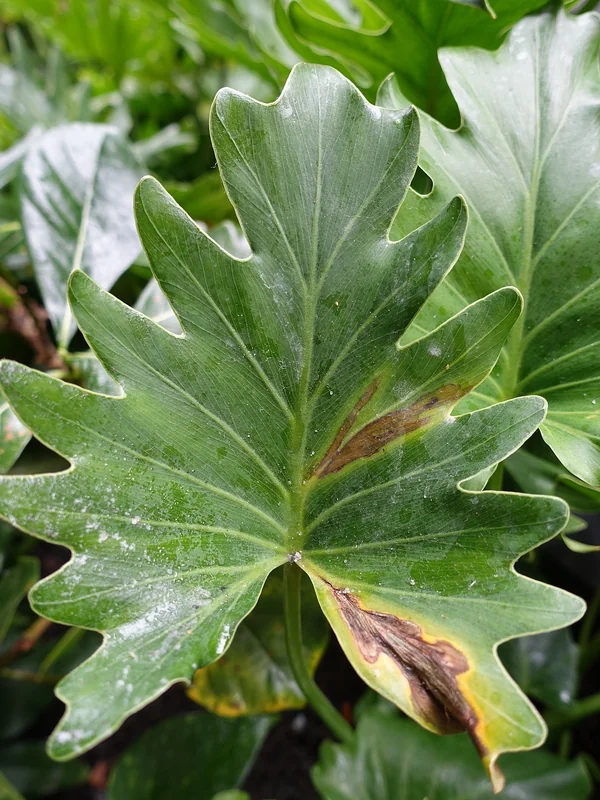 Featured photophilodendron-cruentum.jpg
Philodendron cruentum is a beautiful tropical plant known for its striking foliage. This guide will teach you the basics of its care, including light, water, and soil needs, to help it thrive indoors. Discover how to provide the ideal environment for your plant to flourish.
Care facts at a glance
- Light
- Bright indirect
- Water
- Water when the top 1-2 inches of soil feel dry to the touch.
- Humidity
- 50–70 %
- Temperature
- 18–24 °C
- Soil
- Use a well-draining potting mix, such as a blend of peat moss, perlite, and potting soil. A mix formulated for aroids or houseplants works well.
- Origin
- Native to the tropical rainforests of Central and South America.
- Mature size
- Can trail or climb up to 10-15 feet indoors with support.
Overview
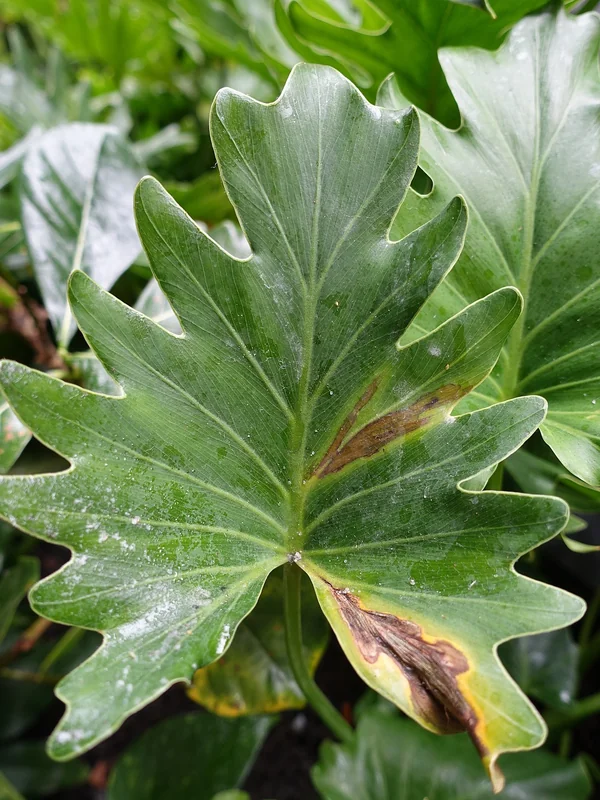
Philodendron cruentum, often called Heartleaf Philodendron, is a popular houseplant prized for its lush, heart-shaped leaves. It's a versatile plant that can be grown as a trailing vine or a climbing specimen, adding a touch of the tropics to any indoor space. Its ease of care makes it suitable for beginners and experienced plant enthusiasts alike.
Care Priorities
Provide bright, indirect light to encourage healthy growth without scorching the leaves. Maintain consistent moisture in the soil, allowing it to dry slightly between waterings. Ensure good air circulation and moderate to high humidity to mimic its native environment. Use a well-draining soil mix to prevent root issues.
Common Problems
Yellowing leaves can indicate overwatering or poor drainage, while brown, crispy edges might suggest low humidity or underwatering. Pests like spider mites and mealybugs can infest the plant; inspect regularly and treat promptly. Root rot is a serious issue caused by consistently wet soil, so proper watering is crucial.
Sources & further reading (3)
- encyclopedia — accessed 2026-04-24
- dataset — accessed 2026-04-24
- botanical-garden — accessed 2024-07-28
Frequently asked questions
How much light does Philodendron cruentum need?
It thrives in bright, indirect light. Avoid direct sunlight, which can scorch its leaves.
How often should I water my Philodendron cruentum?
Water when the top 1-2 inches of soil are dry. Reduce watering in cooler months.
Can Philodendron cruentum tolerate low light?
While it can survive in lower light conditions, its growth may become leggy, and the leaves might be smaller. Bright, indirect light is optimal.
Why are the leaves on my Philodendron cruentum turning yellow?
Yellow leaves are often a sign of overwatering or insufficient drainage. Ensure the soil dries out slightly between waterings and that the pot has drainage holes.