Euphorbia obesa
Euphorbia obesa Care Guide
 Featured photoeuphorbia-obesa.jpg
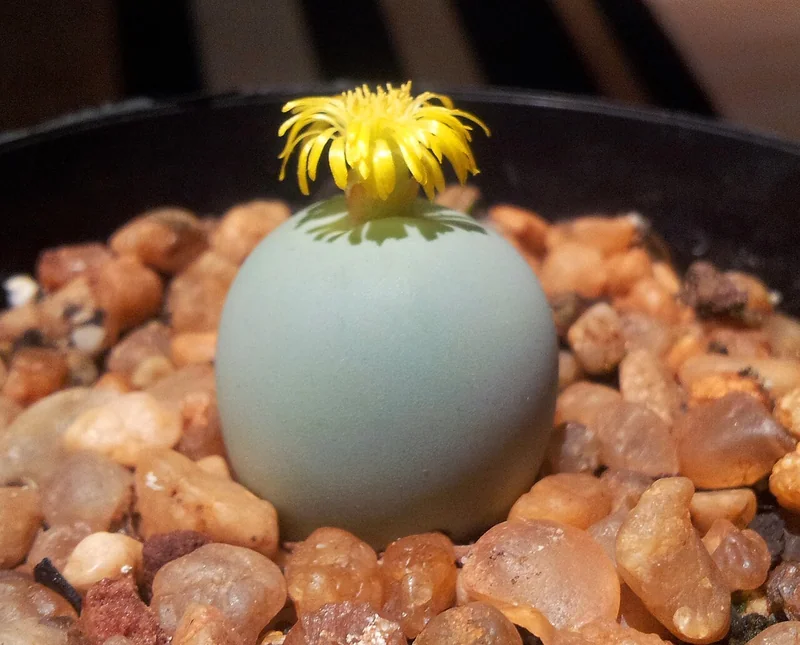
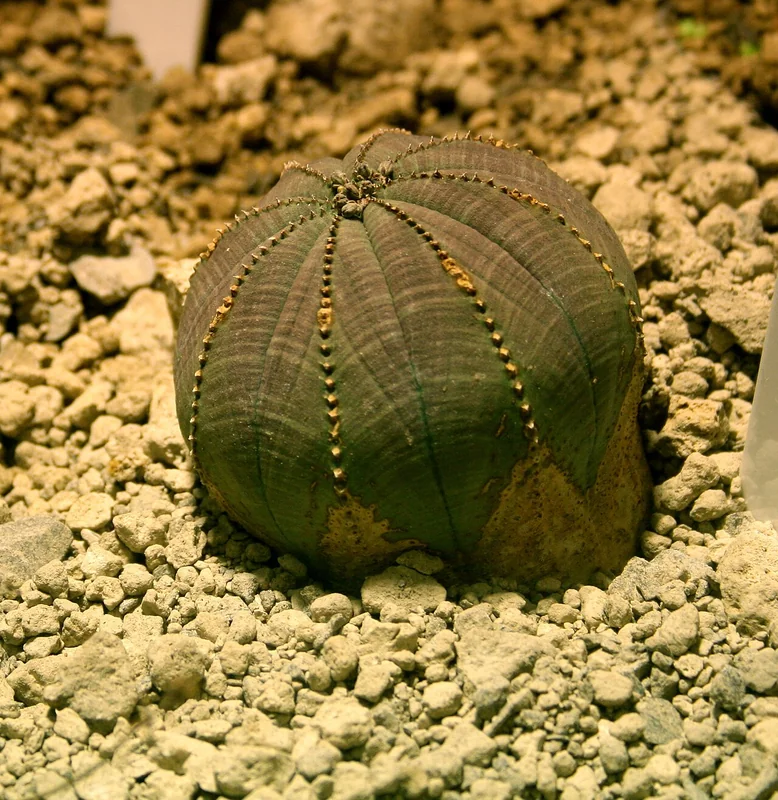
Euphorbia obesa, the Baseball Plant, is one of the most geometrically perfect succulents in cultivation — a single, unmarked sphere or barrel with 8 ribs patterned in pale green and silvery-grey cross-hatching. Endemic to a small area of the Great Karoo in South Africa, it is slow-growing, long-lived, and produces tiny inconspicuous flowers from the crown. Its minimalist, architectural form makes it a sought-after specimen for modern interior plant collections.
Care facts at a glance
- Light
- Bright indirect
- Water
- Water very sparingly: once every 3–4 weeks in summer; once a month or completely dry in winter.
- Humidity
- 10–40 %
- Temperature
- 7–38 °C
- Soil
- Very gritty cactus mix: 50–60% mineral grit or pumice.
- Origin
- Great Karoo, Eastern Cape Province, South Africa.
- Mature size
- 15–30 cm tall; spherical to cylindrical with age.
Overview
Euphorbia obesa Hook.f. was described in 1898 and is now considered a vulnerable species in the wild due to overcollection before legal protections were established. Plants are dioecious — individual plants are either male or female. Seed production requires cross-pollination between a male and a female plant. The remarkable spherical form is an adaptation to the extremely dry, high-UV environment of the Karoo: the minimal surface area per unit volume reduces water loss, while the pale, reflective patterning deflects solar radiation. Like all Euphorbias, it contains a caustic white latex sap.
Care Priorities
- Place in the sunniest available position — at least 4 hours of direct sun per day is ideal for maintaining the compact, spherical form.
- Water extremely sparingly; monthly in summer and not at all in winter produces the healthiest plants.
- Use a very small pot with a single large drainage hole and a gravel layer at the base.
- Do not handle without gloves — the latex sap is caustic and can cause eye and skin irritation.
Common Problems
Elongated, columnar growth instead of a sphere indicates insufficient light — a condition called etiolation. Unfortunately this cannot be reversed, but the plant can continue growing normally if moved to brighter light. Root rot produces a hollow-sounding plant when tapped and eventual collapse; it cannot be saved once the root crown is affected. Mealybugs at the root zone are the most damaging pest — if the plant fails to grow despite good conditions, repot and inspect the roots.
Sources & further reading (2)
- botanical-garden — accessed 2026-05-27
- encyclopedia — accessed 2026-05-27
Frequently asked questions
Why is mine growing taller instead of staying round?
Euphorbia obesa grown in insufficient light etiolates — it stretches upward toward the light source, losing its spherical shape. This is irreversible but can be halted by moving the plant immediately to a very bright, sunny windowsill.
How do I know if it is male or female?
Male flowers have a ring of stamens visible in the centre of the small cyathium (flower structure). Female flowers have a central three-lobed pistil. Both sexes are needed to produce seeds. You can only tell by examining the flowers closely when the plant blooms.
How long does it take to grow from seed?
Seedlings grow very slowly — a plant the size of a marble takes 5+ years from seed. The patience required makes mature specimens increasingly valued among succulent collectors.