Conophytum calculus
Conophytum calculus Care Guide
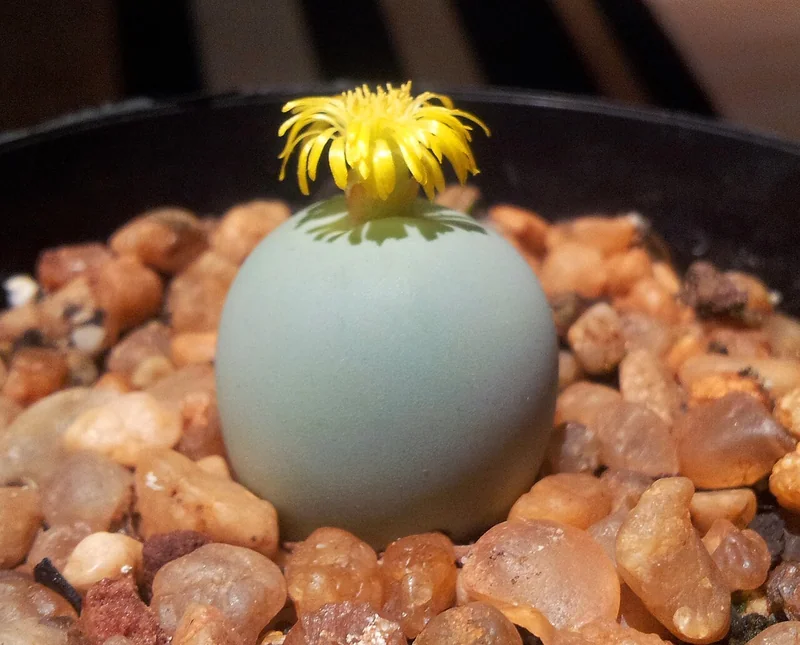 Featured photoconophytum-calculus.jpg
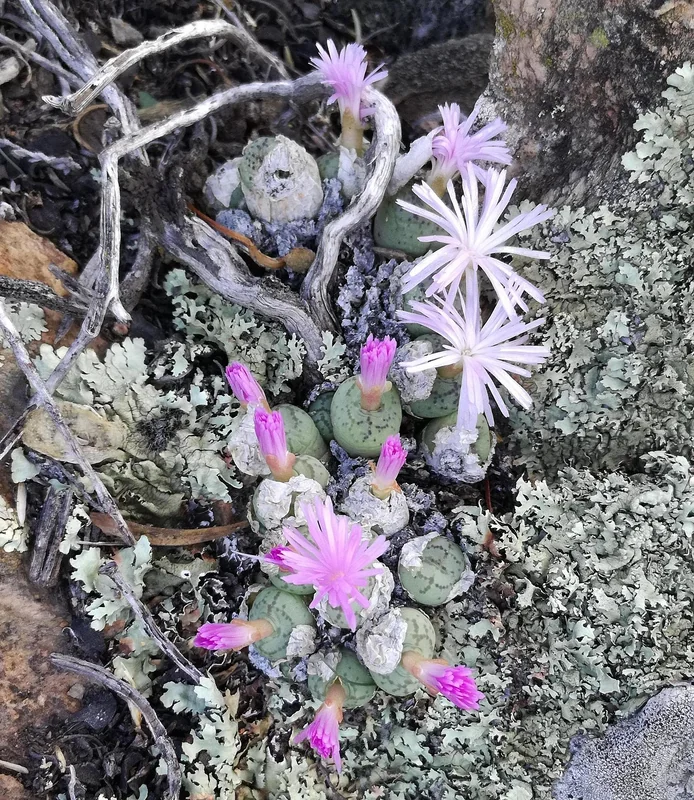
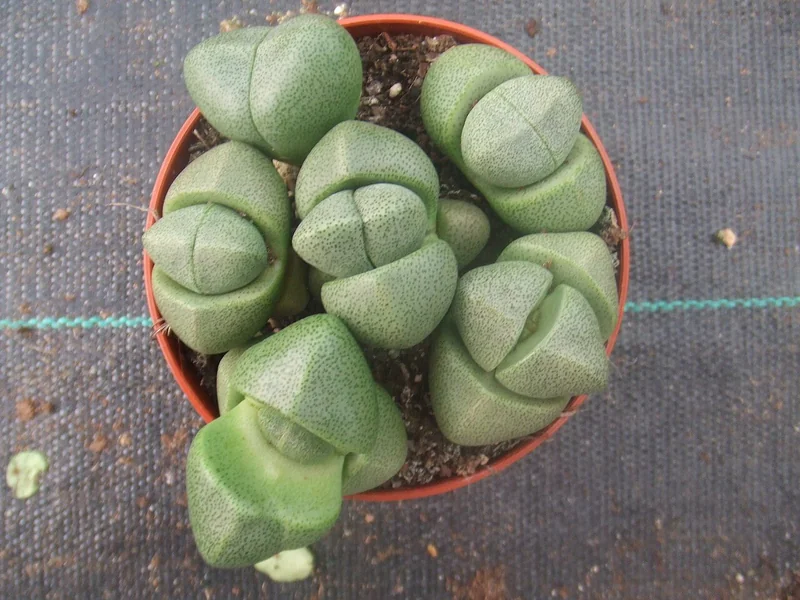
Conophytum calculus is one of the most miniature and perfectly formed of the South African 'mesembs' — succulent plants that mimic pebbles in their native habitat. Each plant consists of a pair of fused, nearly spherical, blue-green succulent leaf-bodies sitting flush on the growing medium, from which surprisingly large, fragrant magenta flowers emerge in autumn. Its extreme compactness makes it ideal for windowsill collections and specialty succulent arrangements.
Care facts at a glance
- Light
- Bright indirect
- Water
- Water only in the autumn growing season (September–November in the northern hemisphere); once every 3–4 weeks is sufficient. Keep dry in spring and summer.
- Humidity
- 10–40 %
- Temperature
- 5–35 °C
- Soil
- Extremely gritty mineral mix: 70% coarse sand or pumice, 30% potting mix.
- Origin
- Succulent Karoo, Little Namaqualand, South Africa.
- Mature size
- 1.5–3 cm in diameter per body; clusters spread to 5–10 cm.
Overview
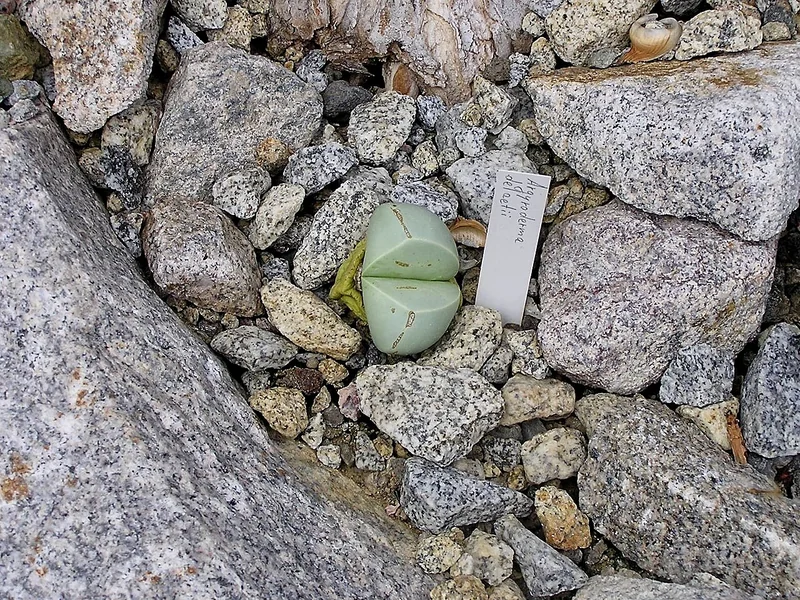
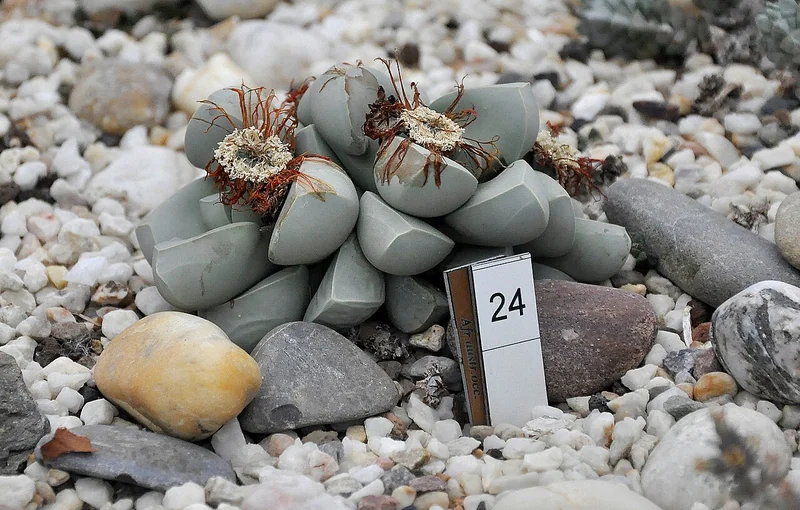
Conophytum calculus (A.Berger) N.E.Br. is native to a very restricted area of the Succulent Karoo biome where it grows wedged into quartz gravel, mimicking the surrounding pebbles. The name 'calculus' means 'pebble' in Latin. The pair of leaves is almost entirely fused, leaving only a small slit at the top through which flowers emerge. Each year in early autumn the plant produces a new pair of leaves that consume the previous season's pair from within, a process called 'ecdysis' — the outer dried remains of the old bodies form a protective papery sheath.
Care Priorities
- The growth cycle is counter-intuitive: the plant is active in autumn and winter, dormant and appearing dead in spring and summer.
- Do not water during the shrivelled summer dormancy phase — new growth will push through the old papery skin in autumn.
- Full sun or very bright indoor light is essential for compact growth and reliable flowering.
- Use a very shallow, wide pot and top-dress with fine gravel to keep moisture away from the plant body.
Common Problems
The most common mistake is watering during summer dormancy when the plant appears shrivelled — this causes fatal rot. The plant will naturally reinflate when watered in autumn. Splitting around the slit at the top outside of the flowering season can indicate overwatering or excessive heat. Failure to flower is usually caused by insufficient light — move to the brightest windowsill available. Root mealybugs are the main pest; they feed on roots and cause gradual decline; treat by immersing the entire pot in an insecticide solution.
Sources & further reading (2)
- botanical-garden — accessed 2026-05-27
- encyclopedia — accessed 2026-05-27
Frequently asked questions
My plant looks completely dried up and grey — is it dead?
Almost certainly not. Conophytum calculus goes through a visible summer dormancy where the outer leaf bodies dry and shrivel, forming a papery skin around the new growth inside. This is normal. Do not water; wait until autumn when new growth will push through the old skin on its own.
How big do the flowers get?
The magenta flowers are disproportionately large relative to the plant body — typically 2–3 cm across, often larger than the spherical succulent body itself. They open in the afternoon and may have a faint sweet fragrance.
Can I grow it from seed?
Yes, but patience is required — seedlings take 3–5 years to reach flowering size. Sow very fine seeds on the surface of damp mineral grit in autumn, cover with a thin layer of sand, and maintain in bright indirect light at 15–20 °C.