Conophytum ficiforme
Conophytum ficiforme Care Guide
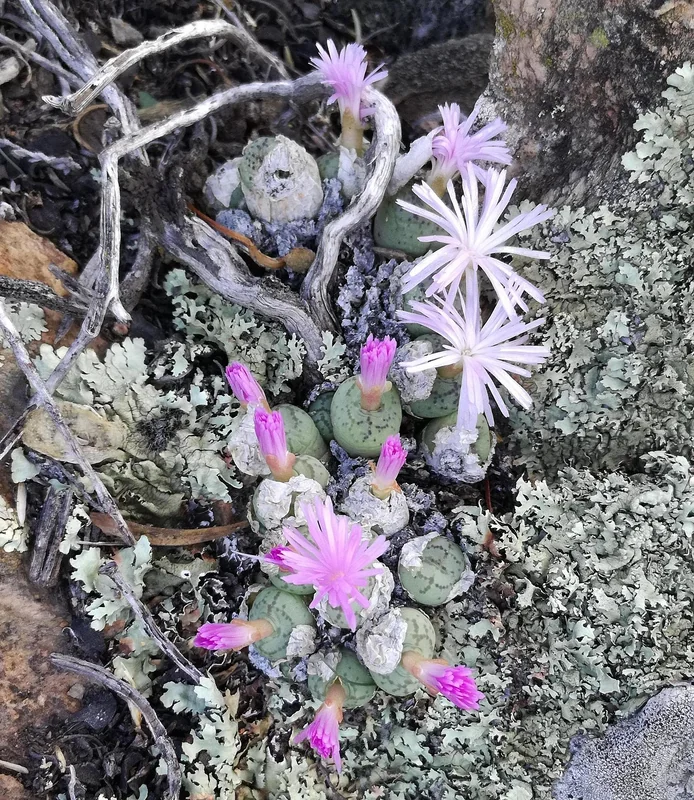 Featured photoconophytum-ficiforme.jpg
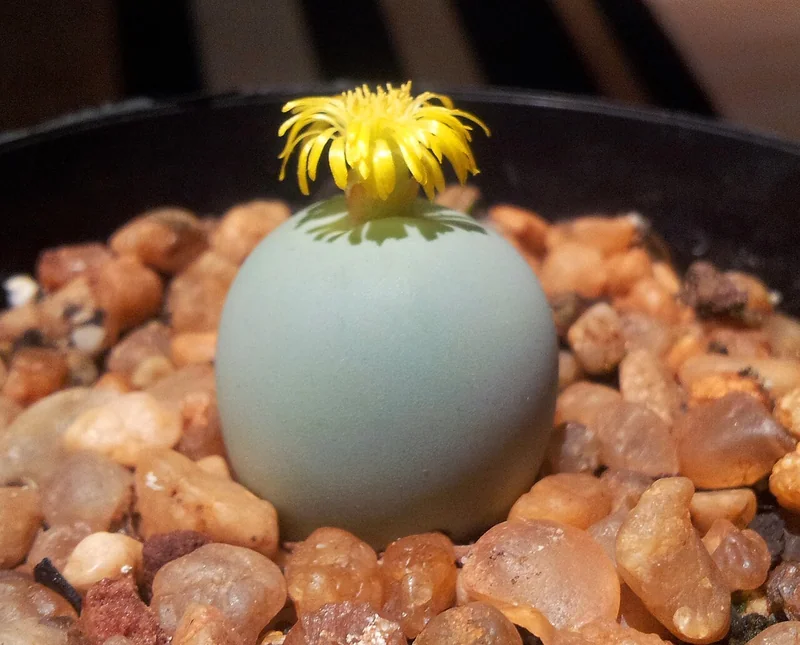
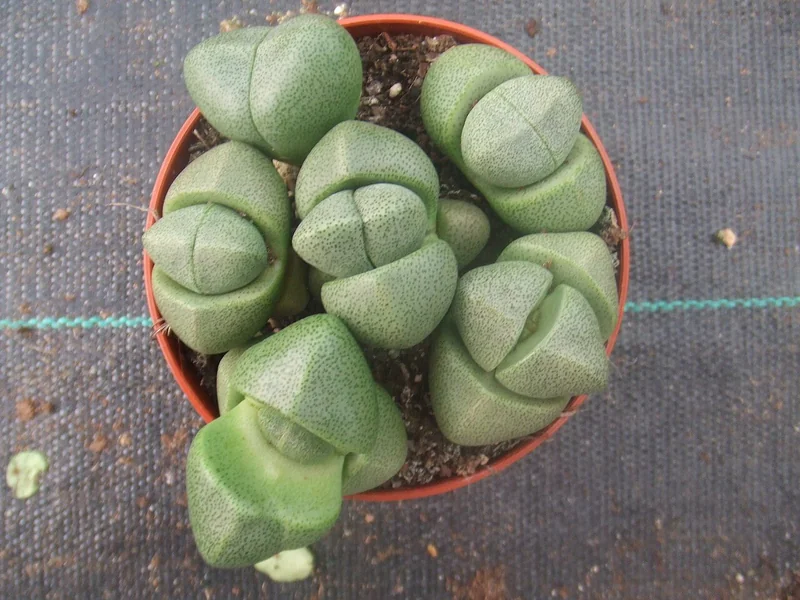
Conophytum ficiforme is a compact mesemb from South Africa's Western Cape Province, producing pairs of fused succulent leaf bodies with a characteristic lobed or notched apex that suggests a tiny fig. Like other Conophytum species, it follows a counter-intuitive growth cycle: dormant in summer, actively growing in autumn, and producing its vibrant pink to magenta daisy-like flowers from September through November. It is prized by mesemb specialists for its unusual body shape.
Care facts at a glance
- Light
- Bright indirect
- Water
- Water only in autumn and early winter growing season; once every 3–4 weeks. Keep completely dry in spring and summer.
- Humidity
- 10–35 %
- Temperature
- 5–35 °C
- Soil
- Very gritty mineral mix: 70% coarse sand/pumice, 30% potting mix.
- Origin
- Namaqualand and Western Cape succulent Karoo, South Africa.
- Mature size
- 2–4 cm per body; clustering to 8–15 cm across.
Overview
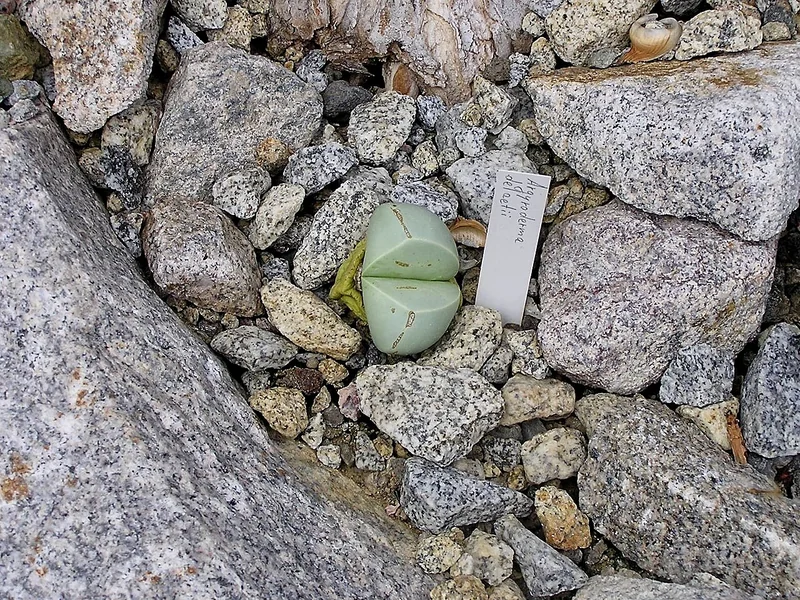
Conophytum ficiforme (Haw.) N.E.Br. was described by Haworth in the early 19th century. The species name 'ficiforme' means 'fig-shaped', referring to the two-lobed apex of the fused leaf pair that resembles a miniature fig. It grows in quartz gravel and rocky outcrops in the fog-influenced coastal Karoo, where summer drought is absolute. The plant has adapted to this extreme environment by compressing its entire annual growth cycle into the brief autumn rains season.
Care Priorities
- Strict summer dormancy (April–August in the northern hemisphere): no water at all.
- Resume watering only when new growth begins pushing through the old dried sheath in early autumn.
- Full sun or maximum bright light is needed for compact growth and reliable flowering.
- Use a small, shallow pot with 100% mineral or gritty compost for perfect drainage.
Common Problems
Summer watering is fatal — even one unexpected watering during the dormant period can cause fatal rot. The shrivelled, dry appearance during summer is completely normal. Premature watering before new growth has pushed through the old sheath also causes rot. Lack of flowers despite correct care indicates insufficient light — ensure the plant receives direct sun for several hours. Root mealybugs cause gradual decline without visible above-ground symptoms; check roots when repotting.
Sources & further reading (2)
- botanical-garden — accessed 2026-05-27
- encyclopedia — accessed 2026-05-27
Frequently asked questions
What does the old 'papery skin' mean?
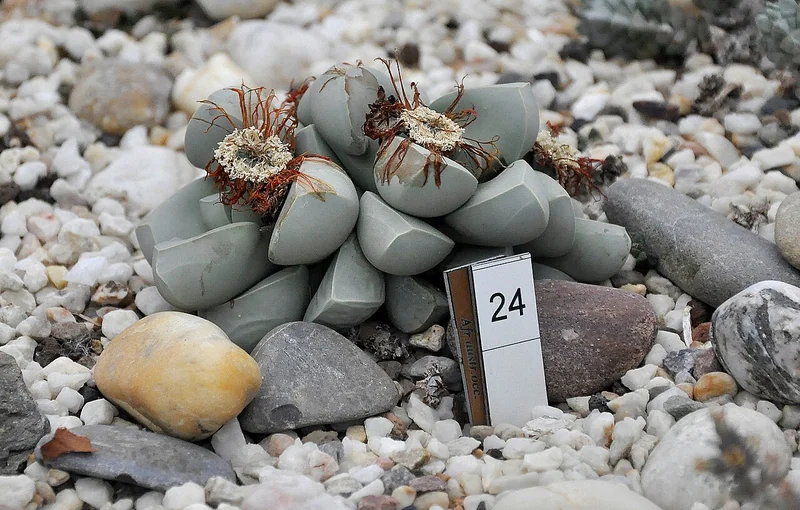
During its annual cycle, the plant produces a new pair of leaf bodies inside the old ones. The old pair dries out and forms a protective papery sheath around the new growth. Allow this process to complete naturally — do not peel the old skin off. The new growth will push through on its own.
How do I know if the plant is dead or just dormant?
A dormant Conophytum feels firm even if shrivelled — there is resistance when pressed gently. A dead plant feels hollow, dry, and completely flat. In late summer, shake the pot gently: a live plant's body will still feel slightly heavy and somewhat firm.
Can I grow different Conophytum species together?
Yes — they can share the same tray or arrangement and all have essentially identical care requirements. Growing a collection of different species creates a miniature landscape of varied body shapes, colours, and flower colours.