Dryopteris erythrosora
Dryopteris erythrosora Care Guide
 Featured photodryopteris-erythrosora.jpg
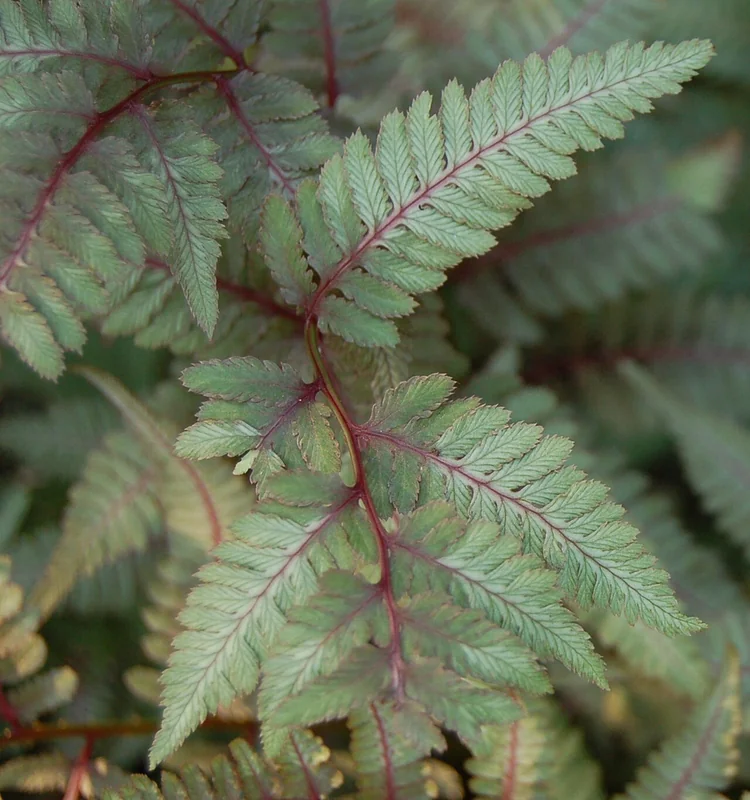
Dryopteris erythrosora, the autumn fern, is native to East Asia and is prized for its spectacular seasonal colour. New fronds emerge a vivid coppery-bronze to salmon-red in spring, gradually deepening to glossy dark green as they mature. The contrast between newly unfurling copper fronds and mature green ones creates a striking two-tone display throughout the growing season. It is more tolerant of drier air and lower humidity than most ferns, making it one of the most practical species for indoor growing.
Care facts at a glance
- Light
- Medium light
- Water
- Keep consistently moist; water when the top 2 to 3 cm begins to dry — roughly every 5 to 7 days in summer.
- Humidity
- 40–70 %
- Temperature
- 5–26 °C
- Soil
- Rich, humus-rich, well-draining mix; standard potting compost with 20 percent perlite.
- Origin
- Shaded woodland slopes of Japan, China, Korea, and Taiwan.
- Mature size
- 40 to 60 cm tall; clumping rosette form.
Overview
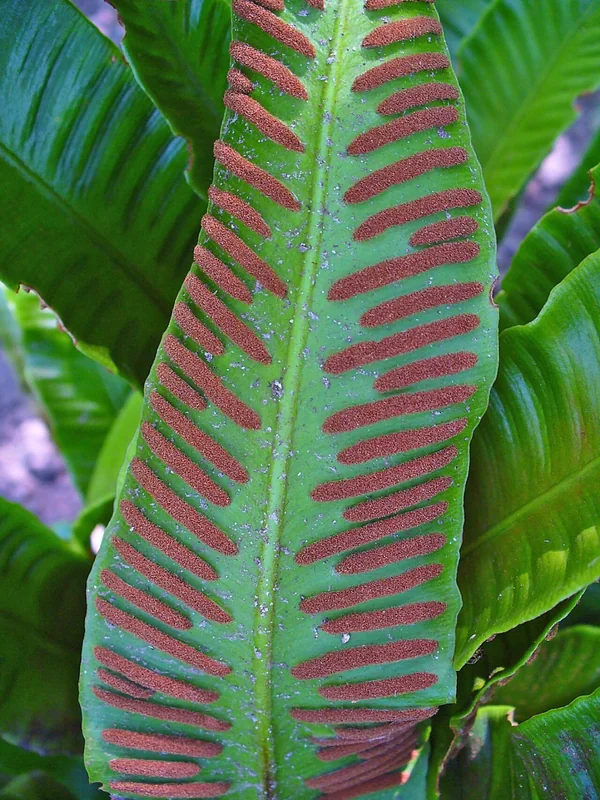
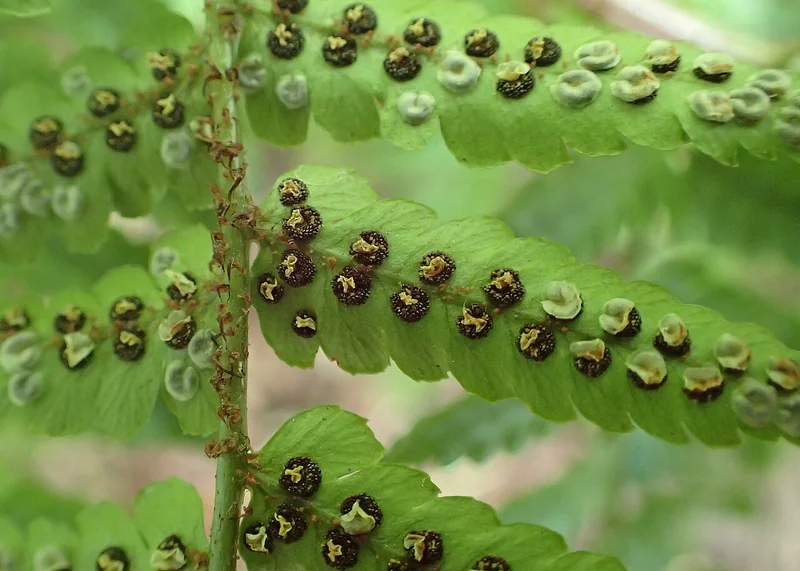
Dryopteris erythrosora was described by O.Kuntze and belongs to the large wood fern genus Dryopteris. The species name refers to the red sori (erythro = red, sora = spore clusters) visible on the underside of mature fronds. The copper-red new growth is caused by anthocyanin pigments that are gradually replaced by chlorophyll as the frond expands — a common feature in shade-adapted Asian ferns.
Care Priorities
- Indirect or low light suits it well; it is more tolerant of shade than sun-requiring ferns.
- Maintain even soil moisture — it is sensitive to both drought and waterlogging.
- Average household humidity (40 to 60 percent) is adequate, making it more forgiving than tropical ferns.
- Remove old, brown fronds at the base in spring to encourage fresh copper-coloured growth.
Common Problems
Fronds browning at the tips usually indicate either low humidity or erratic watering. Yellowing fronds on an otherwise healthy plant are normal as older growth ages out — increase frequency of removing older fronds. Scale insects can cluster on the undersides of fronds; inspect regularly and treat with neem oil solution.
Sources & further reading (2)
- botanical-garden — accessed 2026-05-08
- encyclopedia — accessed 2026-05-08
Frequently asked questions
Is the copper colour a problem?
No — the coppery-red new fronds are a natural pigmentation feature. They gradually turn dark green as they mature. The two-tone effect is part of the plant's ornamental appeal.
Is D. erythrosora suitable for beginners?
Yes — it is among the most forgiving ferns for indoor growing, tolerating average household humidity and being more drought-resistant than tropical varieties.
Can it grow outdoors?
Yes — in temperate to cool climates it is fully hardy and makes an excellent shade garden plant. It is evergreen to semi-evergreen in mild winters.