Asplenium flabellifolium
Asplenium flabellifolium Care Guide
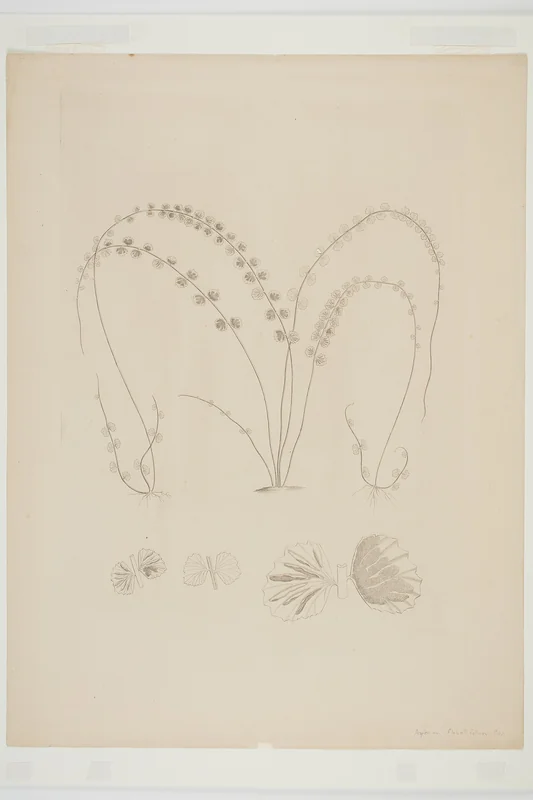 Featured photoasplenium-flabellifolium.jpg
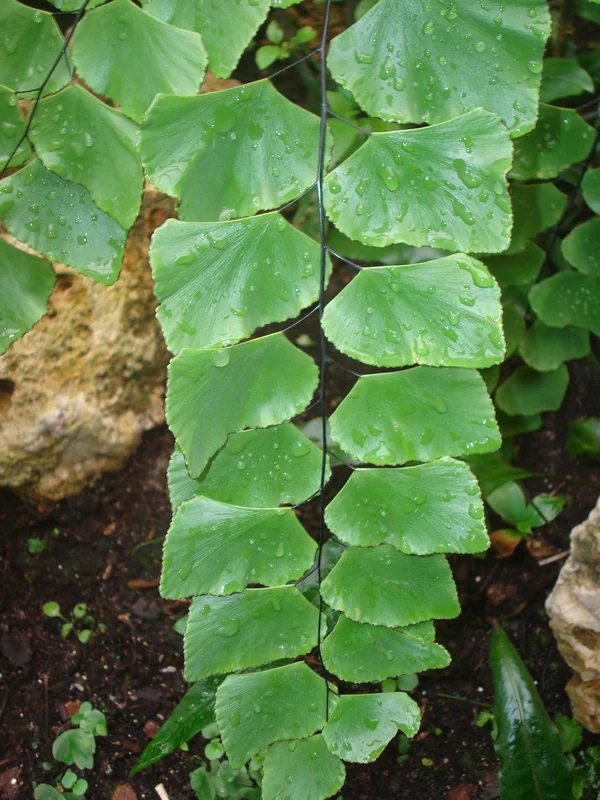
Asplenium flabellifolium, the necklace fern, is a small, delicate spleenwort native to Australia and New Zealand that produces arching, pendulous fronds up to 40 cm long with numerous small, fan-shaped pinnae. Its unusual characteristic is the ability to produce a new plantlet at the tip of each frond, which touches the soil and roots to form a new plant — hence the 'necklace' allusion as the fronds bead into daughter plants. It is a charming, easy-care fern for hanging baskets and humid shelves.
Care facts at a glance
- Light
- Medium light
- Water
- Keep the soil consistently moist but never waterlogged; water every 4 to 7 days in summer.
- Humidity
- 55–80 %
- Temperature
- 8–24 °C
- Soil
- Well-draining, humus-rich fern mix with perlite; slightly acidic pH preferred.
- Origin
- Moist forest floors, rock crevices, and shaded banks of Australia and New Zealand.
- Mature size
- 20 to 40 cm long fronds; clumping and spreading through tip plantlets.
Overview
Asplenium flabellifolium was described by Cavanilles and is one of only a few ferns that reproduce vegetatively by frond-tip plantlets. Each arching frond ends in a growing tip that, when it touches moist soil, roots and produces a new rosette. In nature this allows the species to spread across the forest floor in cascading chains. In cultivation this trait makes it easy to propagate and ideal for hanging baskets where the fronds can arch and touch the potting mix below.
Care Priorities
- Keep humidity above 55 percent — the delicate pinnae desiccate quickly in dry air.
- Indirect or low light suits this woodland fern; direct sun causes immediate frond browning.
- Maintain consistent soil moisture; the small root system dries out quickly in warm conditions.
- Allow tip plantlets to root naturally or remove and pot separately to propagate.
Common Problems
Brown, crispy pinnae are the most common issue, caused by either low humidity or direct sun. Improve air moisture with a humidifier or pebble tray and move out of direct light. Root rot from waterlogging is the second most common issue; ensure the pot has drainage holes and the substrate does not compact. Fungus gnats breed in constantly moist soil; allow the surface to briefly dry and use sticky yellow traps.
Sources & further reading (2)
- botanical-garden — accessed 2026-05-08
- encyclopedia — accessed 2026-05-08
Frequently asked questions
How do I propagate from tip plantlets?
Pin the tip of an arching frond down onto a pot of moist fern mix placed adjacent to the parent plant. Once the plantlet has developed 3 to 4 fronds and visible roots, sever the connecting stolon and treat it as an independent plant.
Does it work in a hanging basket?
Yes — it is ideal for hanging baskets where its pendulous fronds can arch freely. Line the basket with sphagnum moss to retain humidity and maintain consistent moisture.
How does the necklace fern differ from bird's nest fern?
They are both spleenworts (Asplenium) but quite different: bird's nest fern (A. nidus) has large, undivided fronds in a funnel-shaped rosette, while necklace fern has small, fan-shaped pinnae on pendulous fronds.