Billbergia nutans
Billbergia nutans Care Guide
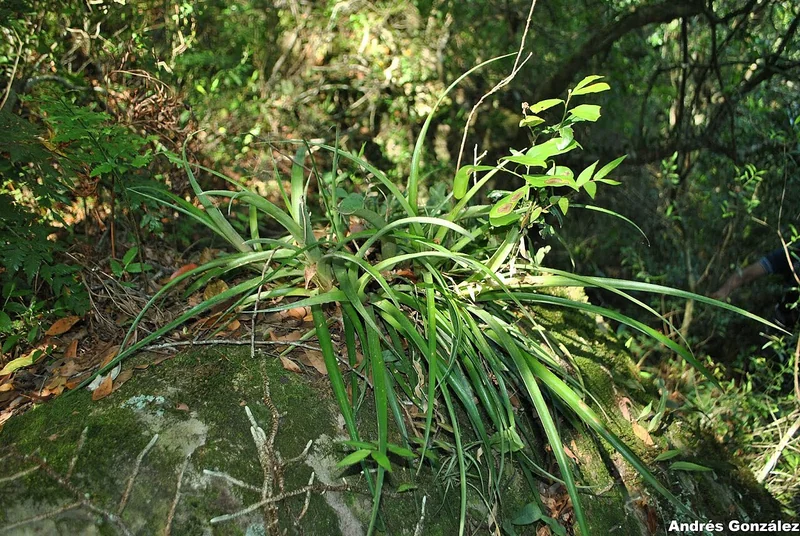 Featured photobillbergia-nutans.jpg
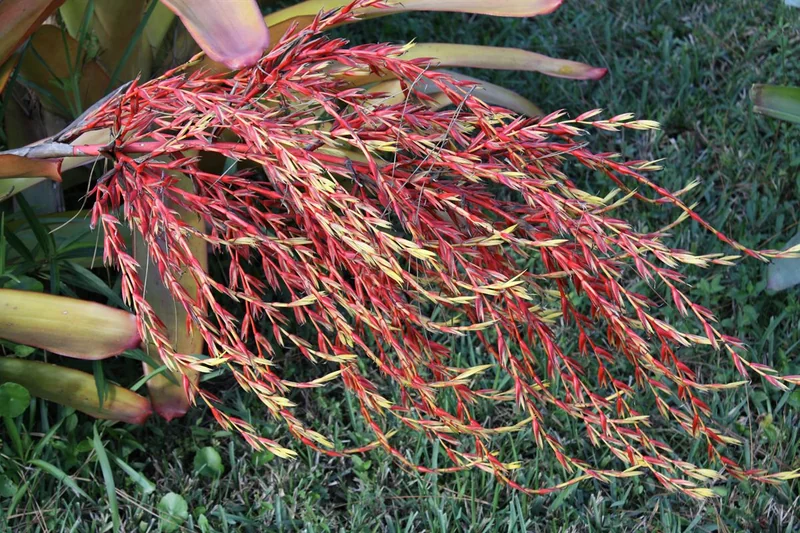
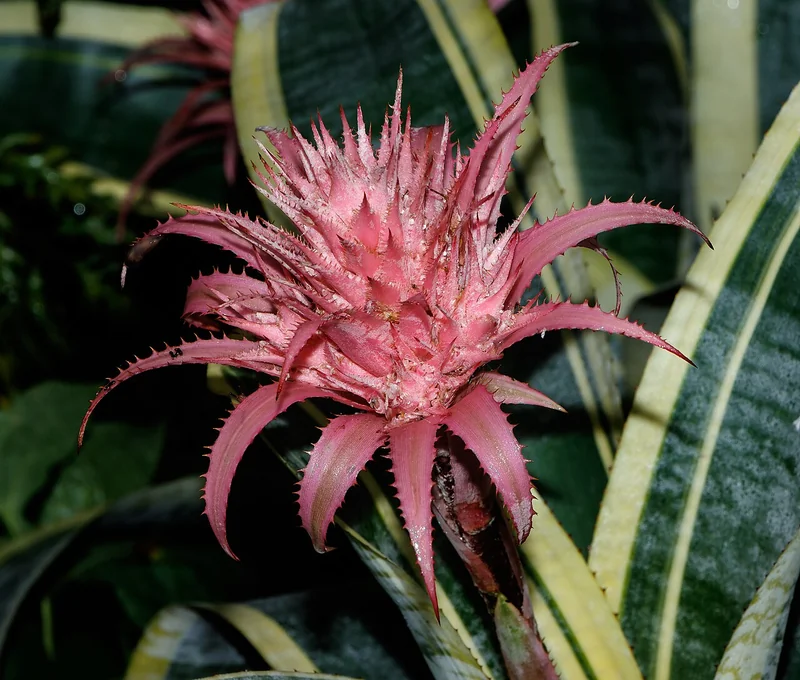
Billbergia nutans, Queen's Tears or Friendship Plant, is a vigorous, clumping bromeliad from southern South America that produces tubular rosettes of narrow, grass-like, dark-green leaves and arching flower stems bearing pendant blooms of spectacular lime-green petals edged in blue, with vivid pink bracts. It is the hardiest and most easily cultivated bromeliad for indoor use, tolerating lower temperatures, less humidity, and more neglect than most of its relatives.
Care facts at a glance
- Light
- Bright indirect
- Water
- Keep the central cup filled with water; flush monthly. Water the soil every 10–14 days. Very drought-tolerant compared to other bromeliads.
- Humidity
- 35–70 %
- Temperature
- 5–30 °C
- Soil
- Standard well-draining potting mix; bromeliad or orchid mix is ideal.
- Origin
- Subtropical forests and rocky outcrops of southern Brazil, Argentina, and Uruguay.
- Mature size
- 30–50 cm tall per rosette; clumps spread indefinitely.
Overview
Billbergia nutans H.Wendl. ex Regel was described in 1857. The species name 'nutans' means 'nodding', describing the pendant flower spike that arches downward when in bloom. B. nutans is native to subtropical regions rather than the deep tropics, which is why it tolerates cooler temperatures (down to 5 °C) that would damage other bromeliads. The 'Queen's Tears' common name comes from the glistening drops that form on the flower petals. It is called the 'Friendship Plant' because it produces pups so freely that it is often shared between friends.
Care Priorities
- Less demanding than other bromeliads: it tolerates normal house humidity (35–50%) without supplemental moisture.
- Allow clumps to build up naturally — B. nutans flowers most prolifically when multiple rosettes are present.
- Keep the cup filled with water, but the soil moisture level is less critical than with most bromeliads.
- A cool winter (8–12 °C) often triggers flowering in late winter to early spring.
Common Problems
Failure to flower is usually because the plant has not had a cool winter rest. Move to a cool but frost-free position from October through February and reduce watering slightly — this temperature dip triggers bud formation. Brown leaf tips in dry air are common; trim neatly with scissors and increase ambient humidity slightly. The vigorous clumping means regular thinning is needed to maintain the plant's vigour — remove older, outer rosettes that have already flowered.
Sources & further reading (2)
- botanical-garden — accessed 2026-05-27
- encyclopedia — accessed 2026-05-27
Frequently asked questions
How do I get it to flower?
A cool winter rest is the main trigger. Move to a temperature of 8–12 °C in autumn and reduce watering for 6–8 weeks. When moved back to warmth in late winter, new flower spikes typically appear within 6–10 weeks.
Why is it called 'Queen's Tears'?
The flower petals have a glistening, teardrop-like quality when light catches the surface — they appear to be studded with tiny droplets. The combination of lime-green petals, blue margins, and vivid pink bracts is also considered queenly in its drama.
Can I grow it outdoors?
Yes — in mild climates with minimum temperatures above 5 °C year-round, B. nutans can be grown as a garden plant in shaded borders. It is the most cold-tolerant bromeliad commonly available and has naturalised in parts of California, southern Europe, and Australia.