Philodendron gloriosum
Philodendron gloriosum Care Guide
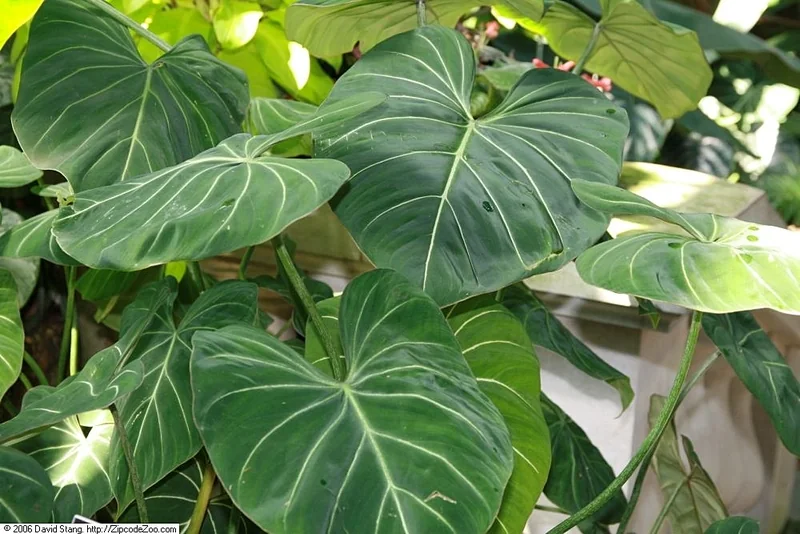 Featured photophilodendron-gloriosum.jpg
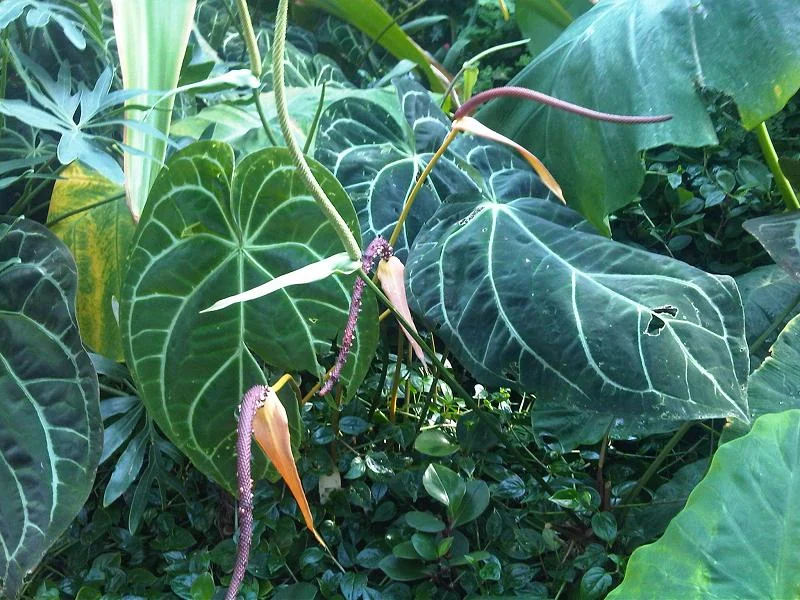
Philodendron gloriosum is a Colombian ground-creeping philodendron prized for its large, velvety, dark-green leaves decorated with vivid white veins that radiate from the midrib like the spokes of a wheel. Unlike most popular philodendrons it does not climb — it crawls horizontally along the forest floor and benefits from a wide, shallow container that allows its rhizome to extend. It is considered one of the most desirable foliage plants in cultivation.
Care facts at a glance
- Light
- Bright indirect
- Water
- Water when the top 3 cm of the medium has dried; about every 7 to 10 days in warm months.
- Humidity
- 60–85 %
- Temperature
- 18–30 °C
- Soil
- Rich but well-draining aroid mix with perlite, orchid bark, and a small amount of coco coir.
- Origin
- Humid lowland forests of Colombia.
- Mature size
- 50 to 90 cm tall; creeps horizontally; leaves 35 to 60 cm long.
Overview
Philodendron gloriosum was described by André in 1873 and has since become one of the most iconic velvet-leaf philodendrons. Its velvety leaf surface reflects light differently depending on the angle, creating a subtle iridescence. The species is a rhizomatous creeper and will eventually trail out of its pot if not given enough horizontal space. It is sometimes confused with P. melanochrysum, but gloriosum has rounder leaves with white rather than pale-green venation and a strictly terrestrial habit.
Care Priorities
- Use a wide, shallow pot to accommodate the creeping rhizome.
- Humidity above 60 percent keeps the velvet surface intact; below this, leaf edges brown progressively.
- Bright, diffused light brings out the contrast in the white venation.
- Avoid cold draughts and sudden temperature drops — the velvet surface is sensitive to rapid climate changes.
Common Problems
Crisp brown leaf margins combined with dry air are humidity-related; use a humidifier near the plant. Yellowing that starts at older leaves and moves inward usually indicates nitrogen deficiency — increase fertiliser frequency slightly. Erwinia (bacterial soft rot) can destroy a plant in days; it presents as rapidly spreading water-soaked lesions — remove affected tissue immediately and ensure excellent drainage and airflow.
Sources & further reading (2)
- botanical-garden — accessed 2026-05-08
- encyclopedia — accessed 2026-05-08
Frequently asked questions
Does P. gloriosum need a moss pole?
No — it is a terrestrial creeper and does not climb. A wide, shallow container or a hanging basket where the rhizome can extend sideways is ideal.
How do I tell it apart from P. melanochrysum?
Melanochrysum has elongated, pendant leaves with golden-green venation and is a climber. Gloriosum has rounder, horizontal leaves with white venation and creeps along the ground.
Are the white veins always visible?
Yes, but the contrast intensifies as the leaf matures. New leaves emerge with bronze tones; the white venation becomes most vivid once the leaf is fully expanded and darkened.