Philodendron speciosum
Philodendron speciosum Care Guide: Tree Philodendron
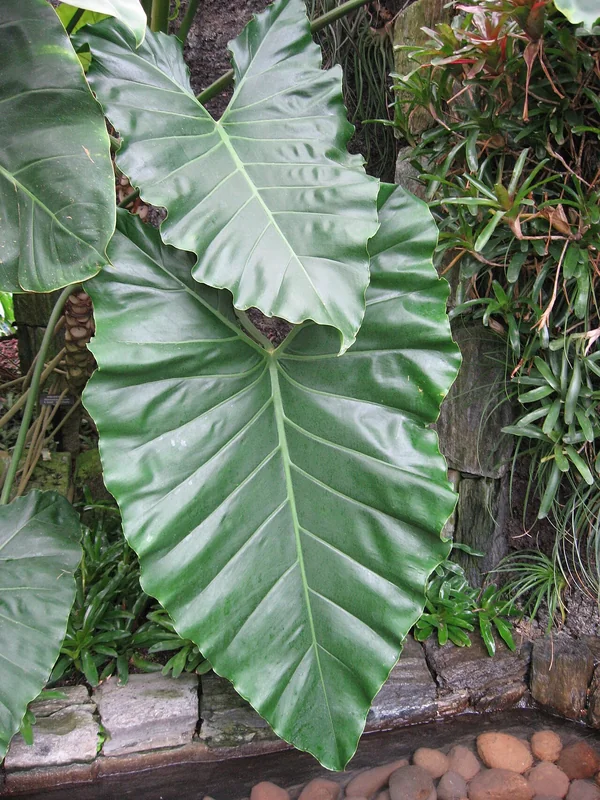 Featured photophilodendron-speciosum.jpg
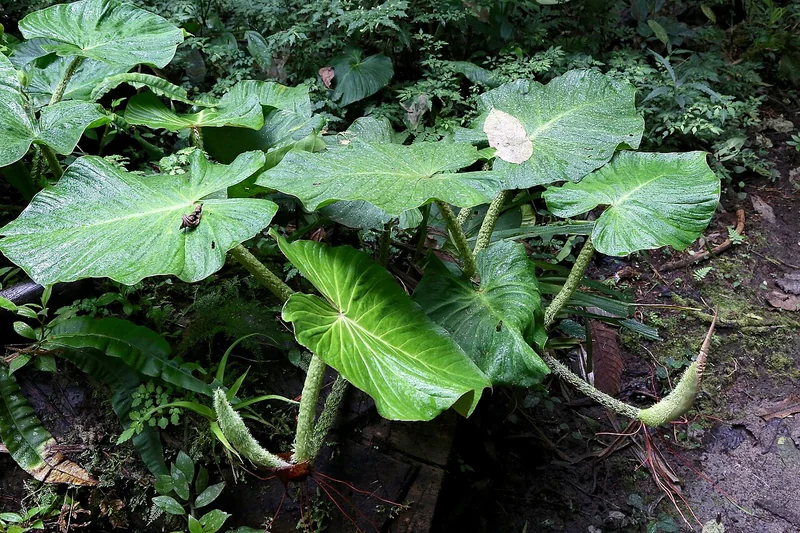
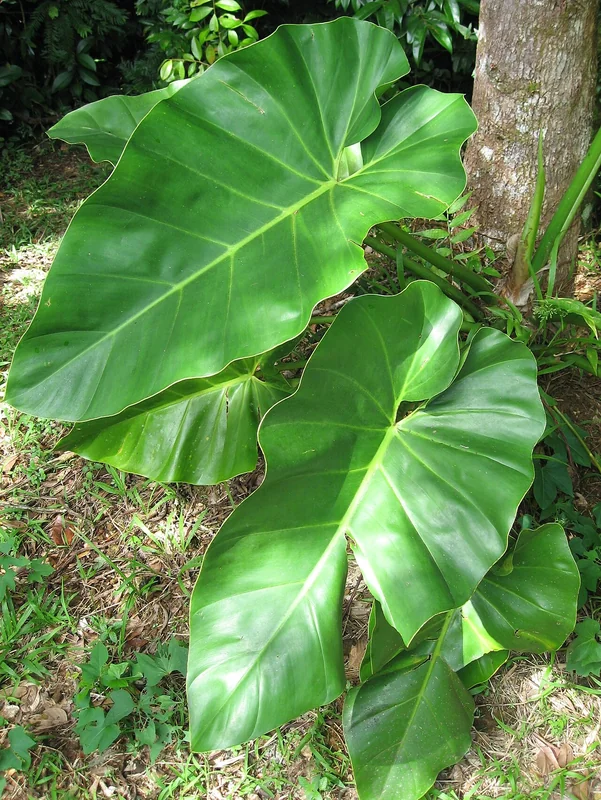
The Philodendron speciosum, often known as a Tree Philodendron, is a striking tropical plant appreciated for its large, deeply lobed leaves. It thrives in warm, humid environments, mimicking its native rainforest habitat. While often confused with Thaumatophyllum bipinnatifidum, P. speciosum is a distinct species that can grow quite large indoors with proper care. This guide will help you keep your plant healthy and beautiful.
Care facts at a glance
- Light
- Bright indirect
- Water
- Water when the top 1-2 inches (2.5-5 cm) of soil feel dry to the touch, ensuring the soil remains consistently moist but never waterlogged.
- Humidity
- 60–80 %
- Temperature
- 18–29 °C
- Soil
- A well-draining, airy potting mix is essential. A good blend includes peat moss or coco coir, perlite, and orchid bark to provide both moisture retention and excellent aeration for the roots.
- Origin
- Native to the tropical rainforests of South America, primarily Brazil, where it grows as an understory plant.
- Mature size
- Indoors, it typically reaches 3-6 feet (1-2 meters) tall and wide, though it can grow larger in ideal conditions.
Overview
Philodendron speciosum is a magnificent tropical plant known for its large, deeply lobed, glossy green leaves that can create a dramatic statement in any indoor space. It's a member of the Araceae family, sharing characteristics with other aroids. As it matures, it develops a sturdy trunk, giving it a tree-like appearance, hence its common name. This plant is a fantastic choice for those looking to bring a touch of the jungle indoors.
Care Priorities
To keep your Philodendron speciosum thriving, focus on these key areas:
- Bright, Indirect Light: Essential for healthy growth and leaf development.
- Consistent Moisture: Keep the soil moist but never soggy to prevent root issues.
- High Humidity: Mimic its tropical origins with regular misting or a humidifier.
- Warm Temperatures: Protect from cold drafts and maintain stable warmth.
- Well-Draining Soil: A chunky, airy mix is crucial for root health.
Common Problems
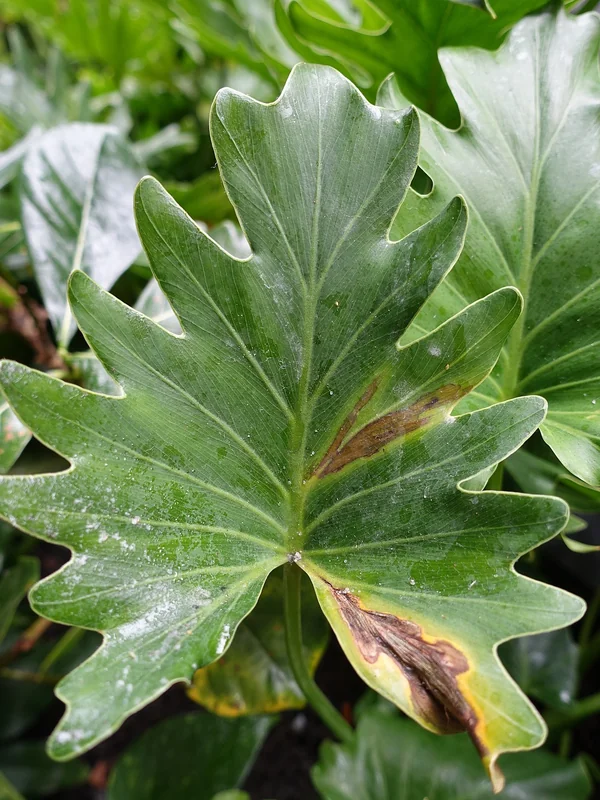
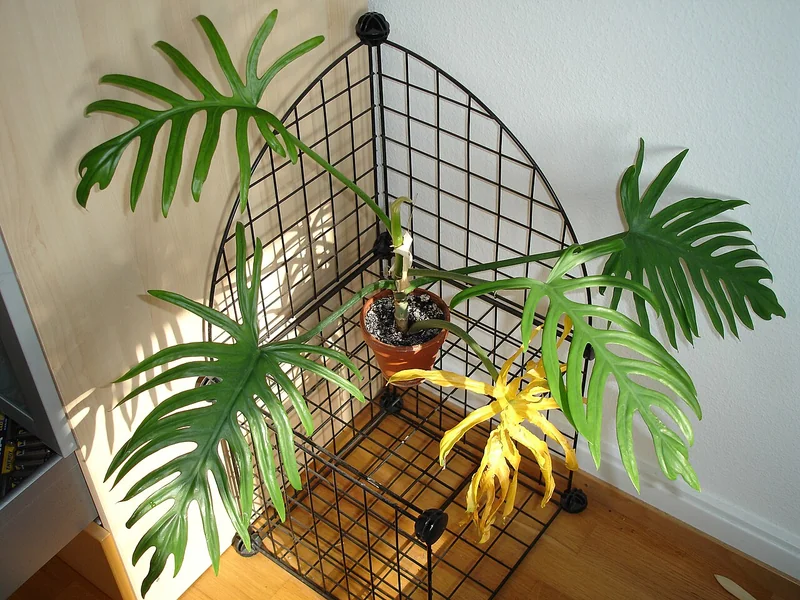
Overwatering is the most common issue, leading to root rot, indicated by yellowing leaves and a mushy stem base. Ensure proper drainage and let the topsoil dry out. Brown, crispy leaf edges often signal low humidity or underwatering. Increase humidity and check your watering schedule. Pests like spider mites and mealybugs can appear; inspect your plant regularly and treat promptly with insecticidal soap.
Sources & further reading (4)
- encyclopedia — accessed 2026-04-24
- dataset — accessed 2026-04-24
- botanical-garden — accessed 2024-04-29
- botanical-garden — accessed 2024-04-29
Frequently asked questions
Why are my Philodendron speciosum leaves turning yellow?
Yellowing leaves are often a sign of overwatering or poor drainage, which can lead to root rot. It can also be caused by nutrient deficiencies or, less commonly, underwatering. Check your soil moisture and ensure your pot has good drainage.
How can I increase humidity for my plant?
You can increase humidity by misting your plant regularly, placing it near a humidifier, or setting its pot on a pebble tray filled with water (making sure the pot doesn't sit directly in the water). Grouping plants together can also create a microclimate with higher humidity.
Is Philodendron speciosum the same as Thaumatophyllum bipinnatifidum?
No, while they are often confused and share similar common names like 'Tree Philodendron,' Philodendron speciosum and Thaumatophyllum bipinnatifidum (formerly Philodendron bipinnatifidum or selloum) are distinct species. They belong to the same family (Araceae) but are now classified in different genera.
How often should I repot my Tree Philodendron?
Repot your Philodendron speciosum every 1-2 years, or when it becomes root-bound. Choose a pot that is only one size larger than the current one to avoid overwatering issues. Spring is the best time for repotting.
What kind of light is 'bright, indirect'?
Bright, indirect light means the plant receives plenty of light, but the sun's rays do not directly hit its leaves. This can be achieved by placing the plant near an east-facing window, or a few feet away from a south or west-facing window, or by using sheer curtains to diffuse direct sunlight.