Alocasia sanderiana
Alocasia sanderiana Care Guide
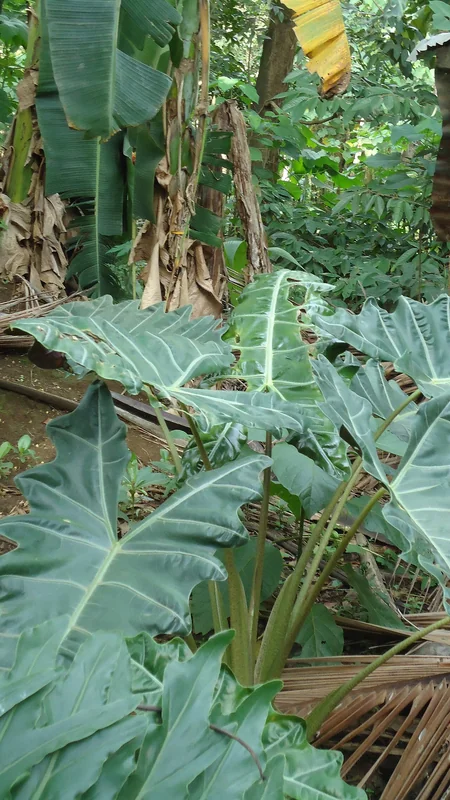 Featured photoalocasia-sanderiana.jpg
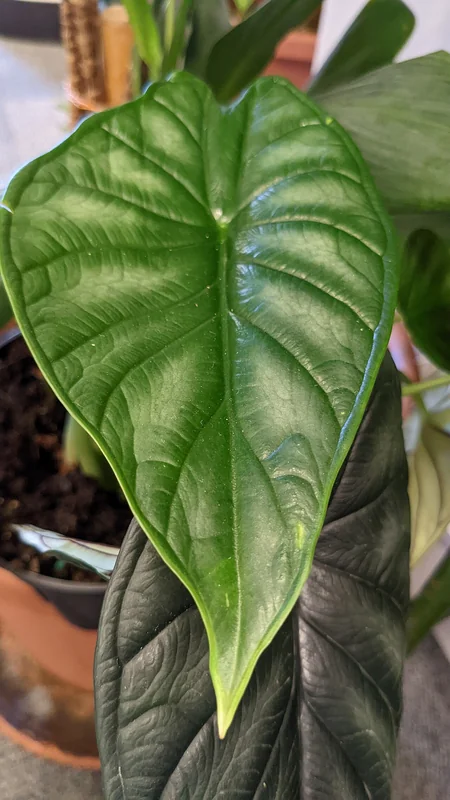
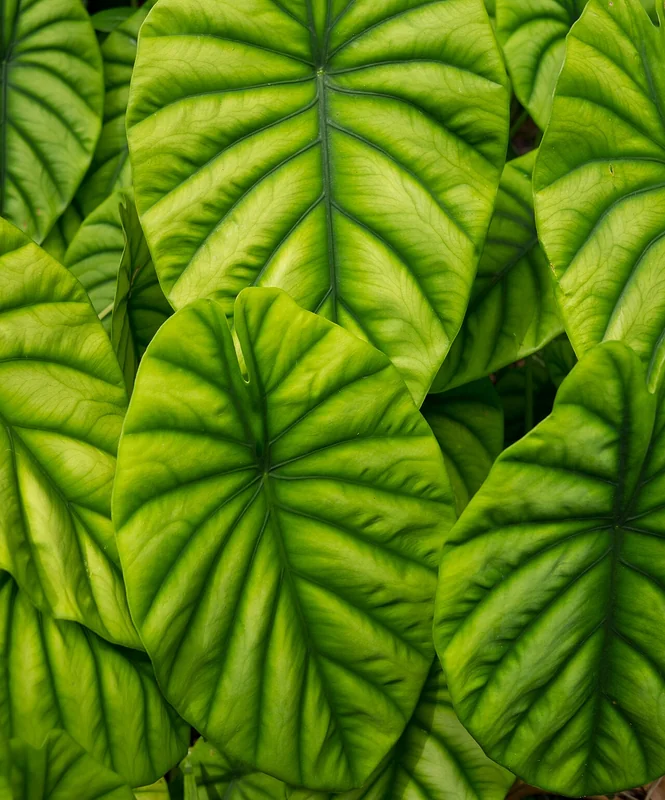
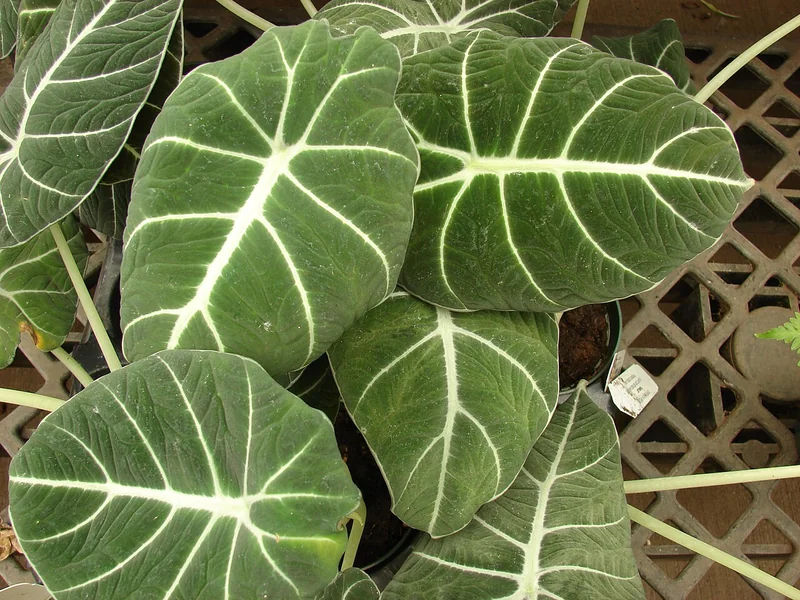
Alocasia sanderiana, commonly called the Kris plant for its dagge-shaped lobed leaf margins, is endemic to Mindanao in the Philippines. Its dark blue-green leaves are marked with striking silvery-white veins and have deeply sinuate margins that give each blade a distinctive sawtooth silhouette. It is a compact species rarely exceeding 60 cm indoors and commands close attention to humidity and warmth.
Care facts at a glance
- Light
- Bright indirect
- Water
- Water when the top 3 cm of mix has partially dried; reduce frequency in winter.
- Humidity
- 65–85 %
- Temperature
- 20–30 °C
- Soil
- Chunky, free-draining aroid mix with perlite and orchid bark.
- Origin
- Rainforests of Mindanao, the Philippines.
- Mature size
- 40 to 60 cm tall, leaves 20 to 35 cm long.
Overview
Alocasia sanderiana was described by Frederick William Bull and named after the Belgian nurseryman Henry Frederick Conrad Sander in the 1880s. It is the parent of several popular hybrids including 'Polly' (A. × amazonica), which is far more commonly sold. True sanderiana is rarer and tends to be slower growing but more dramatic in leaf shape.
Care Priorities
- Humidity above 65 percent is non-negotiable; below this the leaf margins brown and crisp.
- Protect from direct sun — filtered or diffused light prevents bleaching of the metallic leaf surface.
- Use a well-draining substrate and never let water pool in the pot saucer.
- Warmth is critical; temperatures below 16 °C trigger dormancy and leaf loss.
Common Problems
Brown, crisping leaf margins are nearly always a humidity deficiency — mist the air around the plant or use a humidifier. If leaves yellow and wilt despite moist soil, inspect the roots for rot and remove any mushy tissue before repotting into fresh mix. Spider mites establish quickly in dry indoor conditions; flush with tepid water and treat with insecticidal soap if an infestation appears.
Sources & further reading (2)
- botanical-garden — accessed 2026-05-08
- encyclopedia — accessed 2026-05-08
Frequently asked questions
Is A. sanderiana the same as the 'Polly' or 'amazonica' sold in shops?
No. The widely sold 'Polly' is a hybrid, A. × amazonica, likely a cross between sanderiana and another species. True sanderiana has more pronounced lobes and is less common in mass retail.
Why is my Kris plant losing leaves in winter?
Reduced light and cooler temperatures often trigger a rest period. Keep the soil barely moist, maintain warmth, and new growth should resume when light levels increase in spring.
How often should I repot?
Every two to three years, or when roots clearly fill the current pot. Use a container only slightly larger to avoid excess moisture retention.