Alocasia reginula
Alocasia reginula (Black Velvet) Care Guide
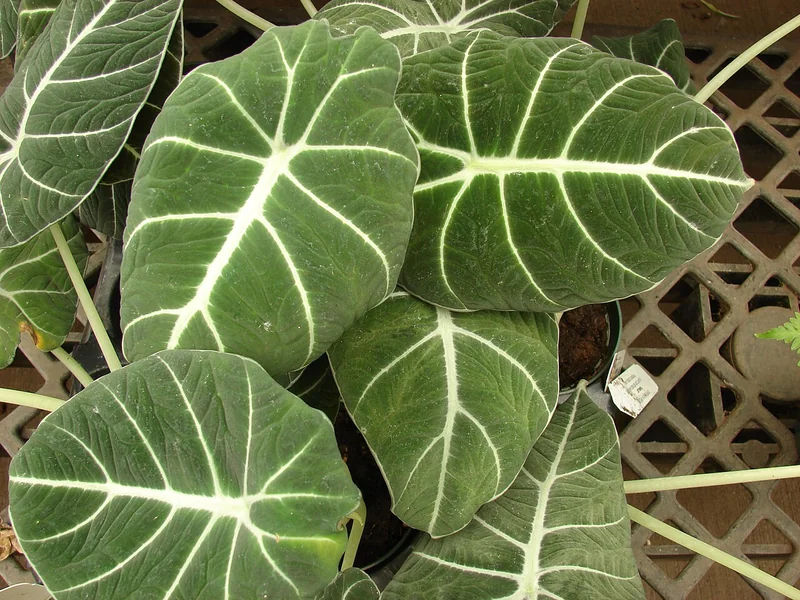 Featured photoalocasia-reginula.jpg
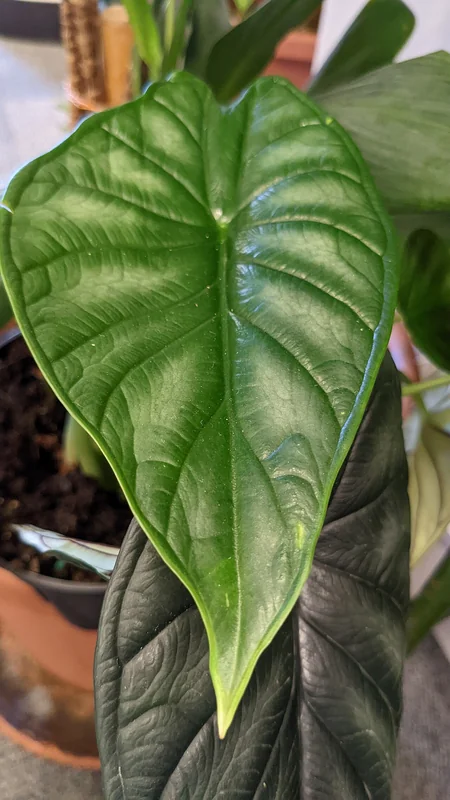
Alocasia reginula, almost always sold as Black Velvet, is a small alocasia with thick, near-black velvet leaves and bright silver venation. It stays under 40 cm tall, which makes it a popular shelf and desk plant. It is more humidity-sensitive than its size suggests and rewards a steady, sharply draining setup.
Care facts at a glance
- Light
- Bright indirect
- Water
- Water when the top third of the mix has dried.
- Humidity
- 60–80 %
- Temperature
- 18–27 °C
- Soil
- Very chunky aroid mix dominated by perlite and bark.
- Origin
- Forests of Borneo.
- Mature size
- 20 to 40 cm tall.
Overview
Alocasia reginula was described in 2017, although it had been in cultivation for years before formal description. The almost-black, velvety leaves and bright silver veins set it apart from any other Alocasia species in trade.
Care Priorities
- Use a small pot — Black Velvet hates oversized containers.
- Sharply draining mix; pumice or perlite should dominate.
- Bright filtered light keeps the dark leaves looking near-black; deep shade fades them.
- Hold humidity above 60 percent.
Common Problems
Yellow leaves and a soft corm is overwatering. Stalled growth in winter is often dormancy; reduce water and wait. Fading dark colour is usually too little light.
Sources & further reading (2)
- encyclopedia — accessed 2026-04-28
- botanical-garden — accessed 2026-04-28
Frequently asked questions
Is Black Velvet hard to grow?
Moderately. It is more demanding than Polly but easier than the velvet anthuriums. Sharp drainage is the single most important factor.
Why is my Black Velvet leaning?
Small pots tip over easily; weight the pot or move into a wider, low container.
Does it need a moss pole?
No. Reginula is a non-climbing rosette species.