Alocasia cuprea
Alocasia cuprea (Mirror Plant) Care Guide
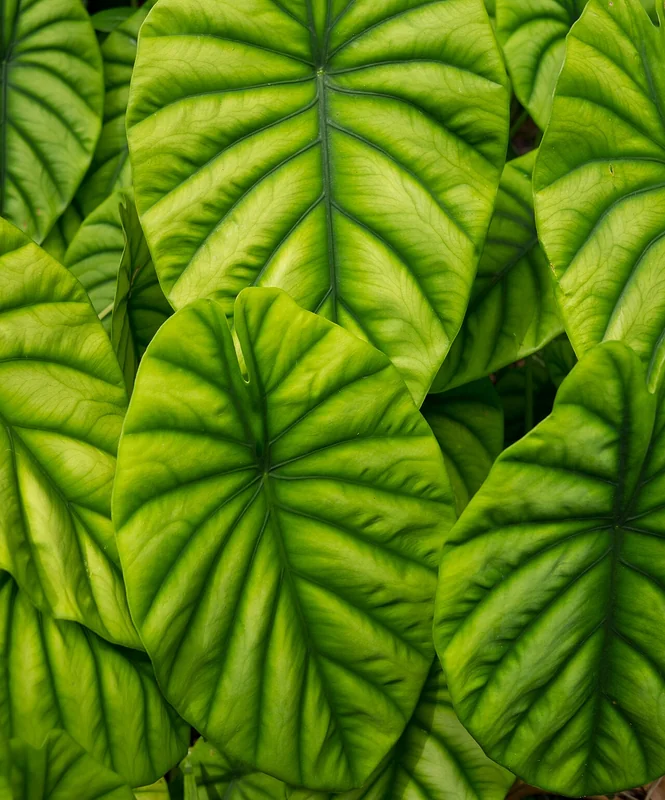 Featured photoalocasia-cuprea.jpg
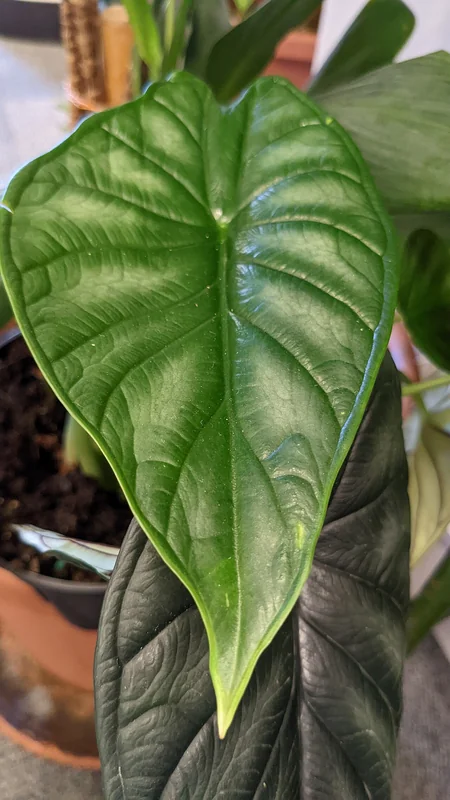
Alocasia cuprea grows in Bornean forests as a low rosette with broadly oval leaves whose upper surface looks like hammered copper or bronze. The metallic sheen shifts colour with light angle, giving the plant its mirror-plant nickname. It is a slow grower indoors and wants warmth, humidity, and the same chunky aroid mix as A. baginda.
Care facts at a glance
- Light
- Bright indirect
- Water
- Water when the top third of the mix has dried.
- Humidity
- 60–80 %
- Temperature
- 18–27 °C
- Soil
- Very chunky aroid mix dominated by pumice or perlite plus orchid bark.
- Origin
- Forests of Borneo.
- Mature size
- 30 to 60 cm tall, leaves to 35 cm long.
Overview
Alocasia cuprea was described in the 1860s and remains one of the most striking alocasias in cultivation. The metallic sheen comes from cell structures in the leaf epidermis and is at its strongest in young, fully expanded leaves.
Care Priorities
- Sharp drainage and a chunky mix — root rot is the leading killer.
- Bright filtered light shows off the copper sheen at its best.
- Hold humidity above 60 percent; new leaves come in deformed below this.
- Avoid wetting the leaves; water spots show clearly on the metallic surface.
Common Problems
Yellow leaves with mushy bases is overwatering. Dull, matte upper leaf surface in older leaves is normal aging — the sheen fades as leaves get older. New leaves coming in stunted is low humidity.
Sources & further reading (2)
- encyclopedia — accessed 2026-04-28
- botanical-garden — accessed 2026-04-28
Frequently asked questions
Is the copper colour natural or marketing?
It is natural. The sheen comes from layers of cells under the leaf surface that reflect light. The Red Secret cultivar emphasises a more pinkish underside.
Can I propagate it from a leaf cutting?
No. Propagate from corm divisions, like other alocasias.
Why is my cuprea always limp?
Limp leaves usually mean root issues. Unpot, check the corm — firm and pale is healthy, soft and brown is rot.