Adromischus cristatus
Adromischus cristatus Care Guide
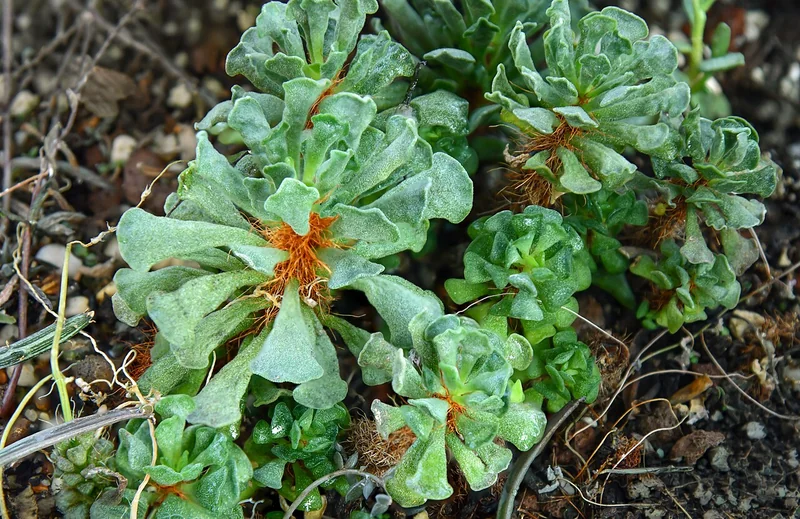 Featured photoadromischus-cristatus.jpg
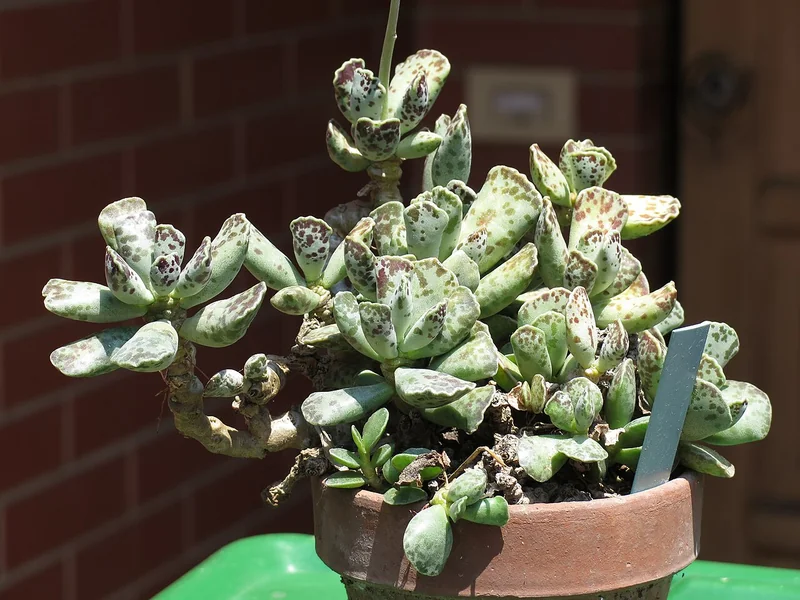
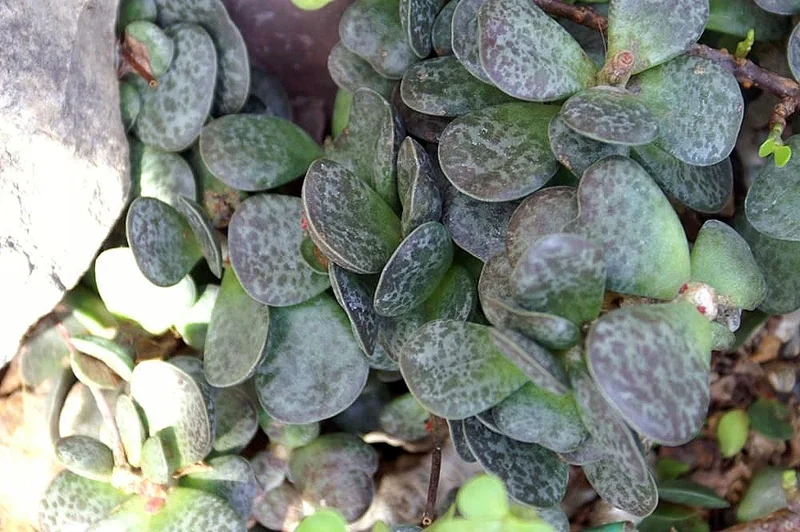
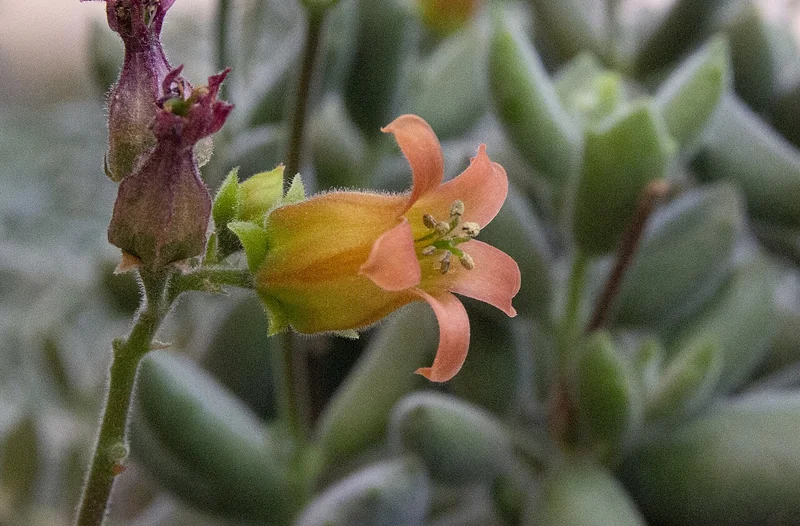
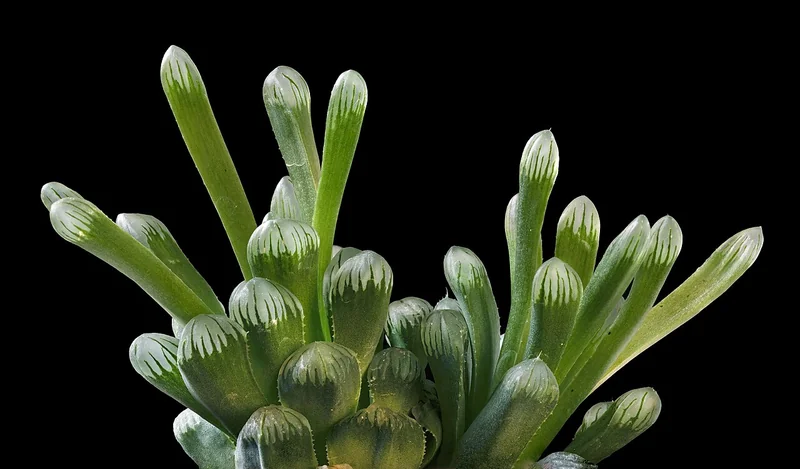
Adromischus cristatus, the Crinkle-leaf Plant, is a charming compact succulent from South Africa's Cape Province, instantly recognisable by its thick, wedge-shaped leaves with characteristically wavy, crinkled upper margins. The short stems produce an abundance of white aerial root filaments and the plant is remarkably slow-growing, making individual specimens develop considerable character over many years. It is an ideal miniature succulent for bright windowsills.
Care facts at a glance
- Light
- Bright indirect
- Water
- Water every 2–3 weeks in summer when the top half of soil has dried. Reduce to once a month in winter.
- Humidity
- 10–40 %
- Temperature
- 7–35 °C
- Soil
- Very gritty succulent mix with 50% mineral amendment; fast drainage is critical.
- Origin
- Rocky hillsides and scrubland of the Eastern Cape, South Africa.
- Mature size
- 10–20 cm tall; rosette-like clustering habit.
Overview
Adromischus cristatus (Haw.) Lem. was described in the 19th century and belongs to the Crassulaceae family. The crinkled leaf margins are a fixed trait of the species and are more pronounced on healthy, well-lit specimens. The white, hair-like aerial roots produced from the stem are unusual among succulents and serve to absorb moisture from fog and dew in the rocky, semi-arid habitat. These root filaments are harmless and are actually a sign of a healthy, actively growing plant.
Care Priorities
- Provide maximum indirect light — a few hours of morning direct sun is beneficial; afternoon sun can scorch.
- Do not remove the white aerial root filaments from the stem; they are a natural adaptive feature.
- Use a very gritty, mineral-rich mix in a small pot; this plant is happier slightly pot-bound.
- Avoid overhead watering or misting — moisture around the stem base encourages rot.
Common Problems
Smooth, flat leaves instead of wavy ones indicate insufficient light or over-fertilising — move to a brighter spot. Stem rot at the base is the most serious issue; caused by excess moisture or compacted, poorly draining compost. Individual leaves drop readily when disturbed, which can be alarming but is normal — each fallen leaf can be used for propagation by laying on dry gritty mix. Mealybugs hide in the leaf axils; treat with diluted isopropyl alcohol applied with a cotton bud.
Sources & further reading (2)
- botanical-garden — accessed 2026-05-27
- encyclopedia — accessed 2026-05-27
Frequently asked questions
What are the white threads growing from the stem?
These are aerial root filaments — a distinctive feature of A. cristatus and a few other Adromischus species. They absorb atmospheric moisture in the plant's native foggy coastal habitat. They are completely normal and beneficial.
How do I propagate it?
Leaf propagation is reliable: carefully twist a healthy leaf from the stem, allow the cut end to callus for 2–3 days, then lay it on barely moist gritty mix. New rosettes emerge at the base over 4–6 weeks. Stem cuttings root in 3–4 weeks.
Will it outgrow its pot quickly?
No — A. cristatus is extremely slow-growing and can remain in the same small pot for 5–7 years without needing a repot. This makes it ideal for tiny windowsill arrangements and specialist miniature succulent displays.